Add us as a preferred source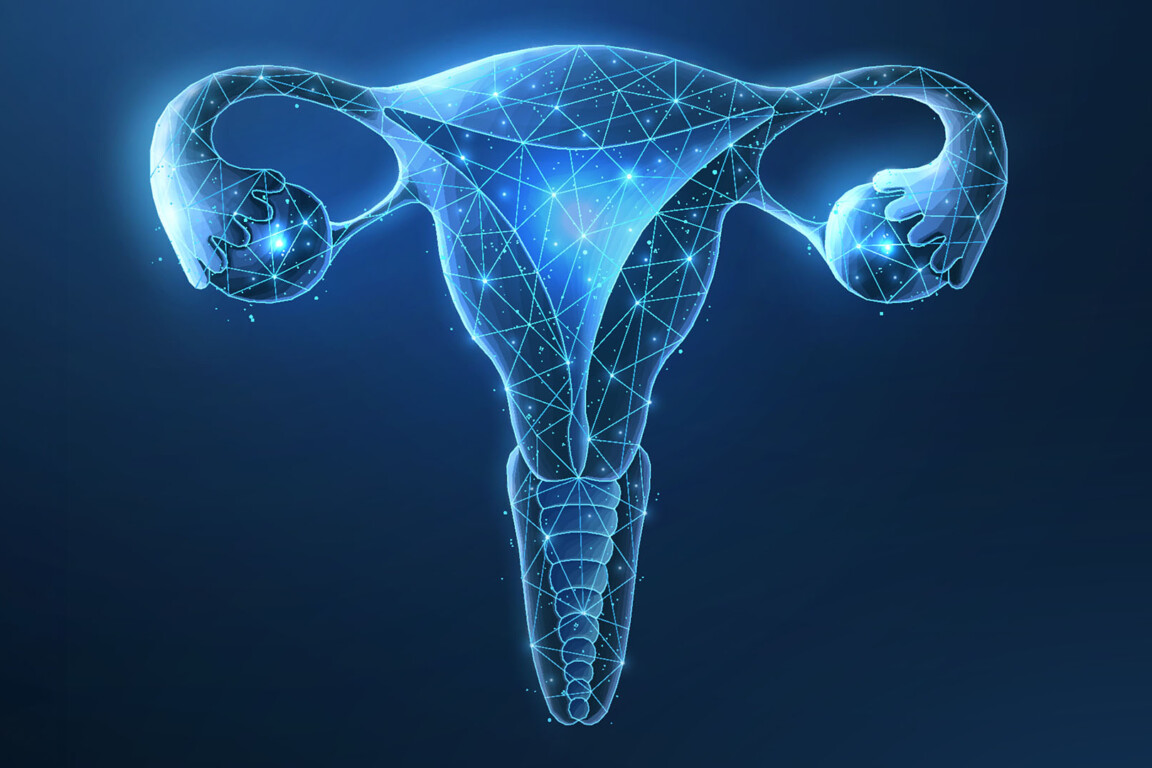
The Global Ovarian Cancer Research Consortium has awarded its inaugural AI accelerator grant to use AI to improve ovarian cancer rates.
The Global Ovarian Cancer Research Consortium has awarded its inaugural $1 million (£740,000) AI accelerator grant to an international team of researchers from the UK, Canada, Australia and the US. The team’s goal is to understand whether artificial intelligence can improve how survival and treatment responses are predicted in ovarian cancer.
Using the global research award, plus an additional $1 million in computer support from Microsoft’s AI for Good Lab, the team will analyse one of the largest international collections of ovarian cancer data. They’ll integrate tumour samples, clinical records, immune response, genetic information, and lifestyle factors from thousands of patients across international research institutions.
The researchers will then analyse the data to identify patterns in survival and treatment response that current tools cannot detect. By improving how patients are matched to treatments and clinical trials, the project aims to reduce unnecessary side effects, support more personalised care, and ultimately help improve survival outcomes for women with ovarian cancer.
“Ovarian cancer survival rates can improve if the best minds work together at a global scale,” says Cary Wakefield, chief executive of Ovarian Cancer Action. “Clinicians today have limited ability to predict how an individual patient’s cancer will behave, or which therapies will be effective. By connecting global data from thousands of women, powered by AI, we will pinpoint how each tumour responds to treatment, with the potential to dramatically change treatment for the 7,500 women diagnosed in the UK every year,” she continued.
The researchers are led by James Brenton, professor of ovarian cancer medicine at Cambridge University; Leigh Pearce, associate professor at the University of Michigan; Susan Ramus, professor in the school of clinical medicine at the University of New South Wales; and Ali Bashashati, director of artificial intelligence research at the University of British Columbia.
Formed in 2024, the Consortium unites four leading ovarian cancer research organisations from around the world – Ovarian Cancer Research Alliance (S), Ovarian Cancer Research Foundation (Australia), Ovarian Cancer Canada, and Ovarian Cancer Action (United Kingdom). Together, the partners are combining resources, data, and determination to accelerate progress in a disease where survival rates have seen limited improvement for decades.