Add us as a preferred source
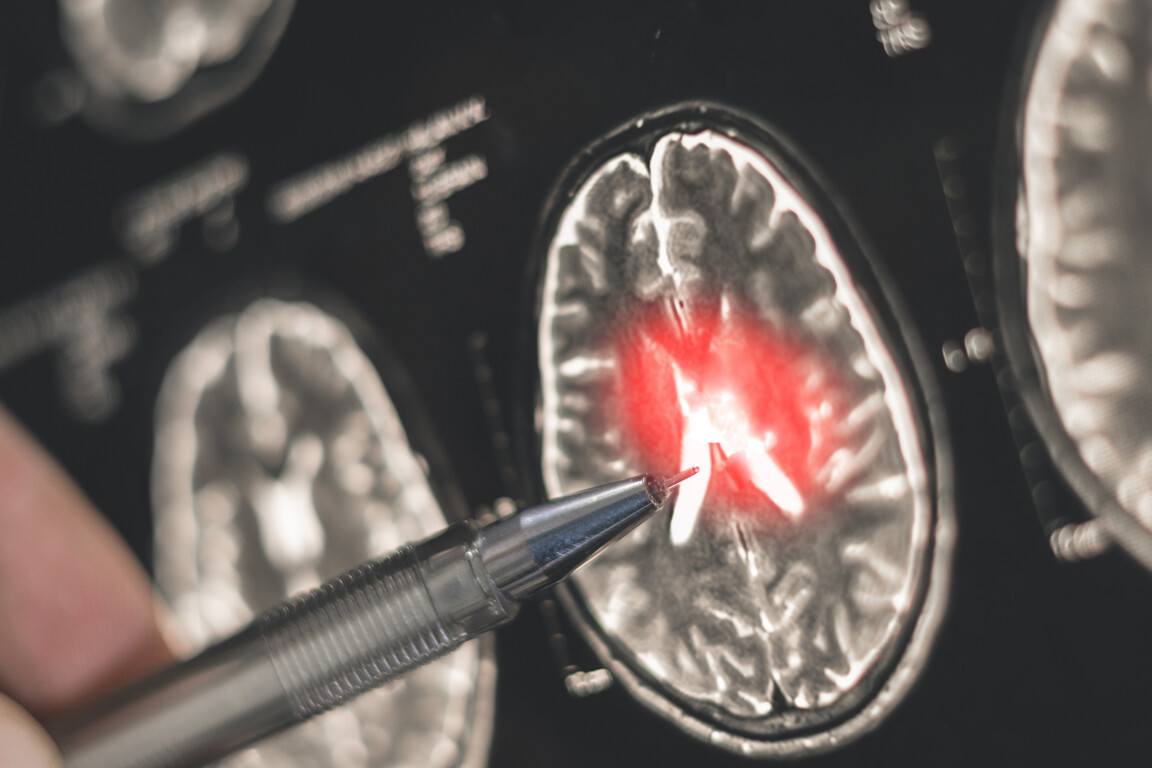
Nine new technologies, including faster MRI brain scans and a remote cognitive assessment, will be tested in the NHS as part of this UK Research and Innovation (UKRI) initiative.
UKRI’s Dementia Challenge will test new approaches to accelerate the adoption of innovative technologies and practices in the NHS that will speed up diagnosis and better predict how the disease will progress.
Dementia causes more deaths in the UK than any other disease. Earlier diagnosis could reduce the likelihood of emergency hospital admissions and delay the need for greater care support, reducing the impact of the disease on services within the NHS.
The £80 million challenge has revealed details of the nine projects that will undergo real-world testing in the NHS. They will only receive additional funding by proving they are working, so funding goes where it can make the biggest difference to patients.
Potential game-changer
“At any one time, one in three people living with dementia in the UK do not have a diagnosis, meaning they are missing out on treatment, support and opportunities to take part in research,” said Richard Oakley, associate director of research and innovation at Alzheimer’s Society.
“The Dementia Challenge could be a game changer and shorten the path to diagnosis by testing and rapidly scaling innovative technologies in real NHS settings. Alzheimer’s Society is proud to support the Dementia Challenge and help turn promising innovations into real improvements for people affected by dementia. Now, the government must match this ambition by introducing a national 18-week target from referral to diagnosis.”
The nine innovative projects include a University College London and UK Dementia Research Institute (UKDRI) project that aims to reduce MRI scan times from around 20 minutes to seven minutes. This would help to reduce costs and enhance patient experience.
Another will test a digital platform in the NHS that would enable people to monitor changes in their cognitive health and be seen at the right time (University of Exeter). A home monitoring platform that uses unobtrusive sensors and linked AI to support earlier dementia intervention, personalised care and proactive management (UKDRI) will also be tested.
Blood panelling innovation
Routine NHS memory services will also test a panel of blood-based dementia biomarkers with the aim of improving diagnostic accuracy (University of Oxford and Dementia Platforms UK).
How the brain processes sound will be assessed via a digital diagnostic tool using a standard home computer and headphones. This Queen Mary University of London project aims to support earlier dementia detection and monitoring.
Further innovations that will be tested as part of the Dementia Challenge include using an AI-enabled clinical decision support tool that can analyse routinely collected data such as medical records, blood tests, and cognitive tests to predict progression for people at risk of the disease (University of Cambridge).
In Scotland, the challenge project will test a redesign of its dementia diagnosis and treatment services to provide faster, better quality and more consistent diagnosis across the country. The project led by the University of Edinburgh and NHS Research Scotland will also introduce ‘living labs’ to test new biomarkers and treatments.
“Dementia is a desperately cruel condition, robbing people of their memories and families of precious time with their loved ones,” said Chris McDonald, the UK’s science minister. “Science gives us the hope that we can change that, which is why we are backing projects that can spot the signs earlier. This work by brilliant UK researchers could be transformative in getting people the early treatment they need, improving the quality of life for people across our country.”