Add us as a preferred source
The government’s national cancer plan, which focuses on personalisation has been widely welcomed, but the emphasis on early diagnosis could be the game changer.
Under the government’s national cancer plan, every patient will be given a tailored plan that looks beyond just treatment and diagnosis to cover the full impact of cancer on their life, from anxiety and fatigue to diet and returning to work.
They will also receive an end-of-treatment summary to end the cliff edge many face when chemotherapy or surgery finishes – giving them clear guidance on warning signs, who to call with concerns, and where to find ongoing support like physiotherapy, counselling or local cancer groups.
Even after successful treatment, some patients find themselves unable to return to the lives they had before diagnosis. The psychological toll of cancer can be devastating and long-lasting with anxiety, depression and trauma persisting long after physical recovery. The personalised cancer plan ensures patients receive the mental health support they need to rebuild their lives.
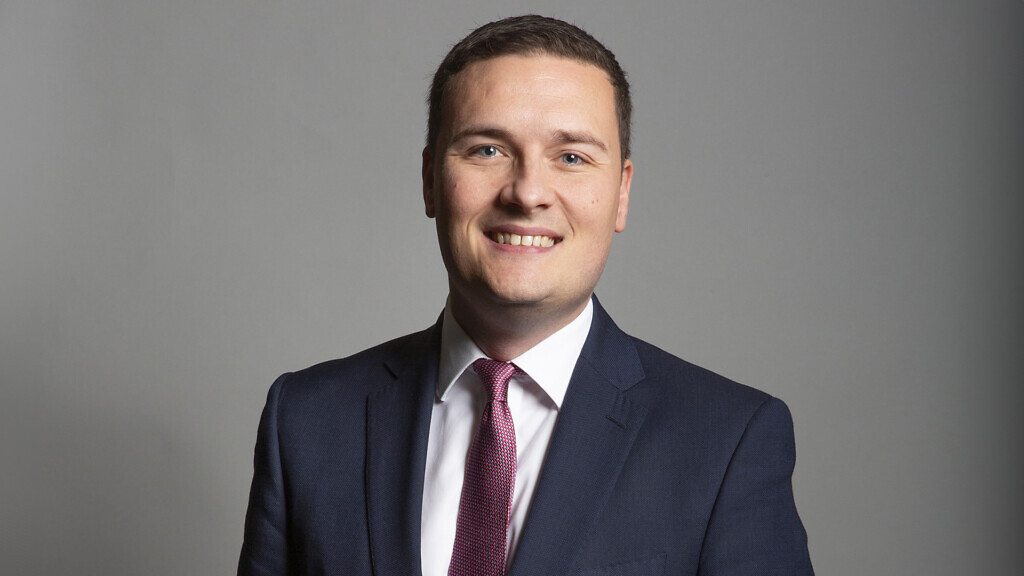
“If you’ve ever sat in a waiting room dreading what comes next or laid awake at 3am wondering how you’ll pay the bills while you’re off work for treatment, you’ll know that cancer doesn’t just attack your body – it takes over your whole life. I was fortunate. I had a supportive employer, a family who could rally around me, and the financial security to focus on getting better. But I know that’s not everyone’s reality – and it shouldn’t be based on luck,” said secretary of state for health and social care Wes Streeting, who is now cancer-free following a kidney cancer diagnosis in 2021.
Personalisation
Through the NHS app, patients in England will be able to book screening appointments, access prehabilitation programmes, view their patient record, check their personalised cancer plan, and provide feedback on their care. They will also be connected to cancer charities for specialist support as soon as they are diagnosed.
By 2035, the government hopes that every cancer patient will have a named neighbourhood care lead responsible for joining up their care after treatment meaning no more being passed from pillar to post.
New standards will be introduced by 2028 to help patients get fit for treatment and recover quickly afterwards, including prehabilitation, rehabilitation and physical activity programmes.
“Being diagnosed with cancer affects every part of your life and the lives of the people around you, which is why the NHS is committed to supporting people with cancer in every possible way,” said Peter Johnson, NHS England’s national clinical director for cancer.
“A personalised cancer plan will bring all this together, helping people face cancer with the right care, at the right time, in the right way,” he added.
Widely welcomed
The news about the new personalised approach to cancer treatment was widely welcomed.
“The plan’s promise of a tailored support plan for everyone, alongside a named neighbourhood cancer lead and connecting people to cancer charities for support, will make a real difference,” said Gemma Peters, chief executive of the charity Macmillan Cancer Support.
“This is a truly landmark moment. For the first time, children and young people have a dedicated chapter in the National Cancer Plan, a clear recognition that their needs are distinct, complex and deserve focused attention,” agreed Rachel Kirby-Rider, chief executive of the charity Young Lives vs Cancer.
“This is a landmark moment for the 260,000 people living with or in remission from blood cancer in England and one we’ve been calling for over many years,” said Helen Rowntree, chief executive of Blood Cancer UK. “Survival for blood cancer patients has fallen behind other nations of similar wealth and health, and people with blood cancer face some of the toughest odds. This plan could change that, but only if it’s delivered properly.”
The private sector is also on board. David Hare, chief executive of the Independent Healthcare Providers Network (IHPN), said that private sector would make a significant contribution to meeting the NHS’ cancer targets.
He pointed out that the plan committed to significant new investment to deliver 9.5 million additional tests and scans by 2029, of which NHS England has made clear that more than one third will need to come from the independent sector.
“This will help create significant new additional diagnostics capacity without the need for additional public capital spending, and will help to drive up the overall productivity of services – key in improving patients’ access to care,” he said.
Early diagnosis is key
Kidney Cancer UK chief executive Malcolm Packer emphasised that early diagnosis was key and welcomed the massive investment in additional diagnostic tests.
He pointed to research that Britain’s leading kidney cancer charity had published earlier this month which showed that one-in-five (20%) kidney cancer patients are being diagnosed at Stage 4, which results in harsher treatments, reduced quality of life, and significantly higher mortality rates.
Mortality rates have grown over recent decades, increasing by 73% since the 1970s.
Research also shows that three-quarters (74-75%) of people diagnosed with Stage 3 kidney cancer survive for at least five years – though for those diagnosed at Stage 4, when the cancer has spread to distant organs, five-year survival falls significantly to around 10-15%. The five-year survival rates in the UK are among the lowest in Europe.
Kidney cancer now ranks as the UK’s sixth most common cancer with around 13,800 new cases each year – that’s roughly 38 new diagnoses every day. Around 4,700 people die from the disease annually, amounting to about 13 deaths per day.
“The finding that just over 20% of patients are now being diagnosed with Stage 4 kidney cancer represents a concerning year-on-year increase,” said Grant Stewart, professor of surgical oncology at Cambridge and consultant urologist at Addenbrooke’s Hospital.
“Kidney cancer often presents with non-specific or subtle symptoms, which can be overlooked or misattributed, leading to delays in diagnosis. These delays can significantly limit treatment options and adversely affect patient outcomes.”
As Streeting himself said in a speech at Royal Free Hospital in North London in early February early diagnosis is literally life changing. “I was lucky, my cancer was caught early,” he said.