Add us as a preferred source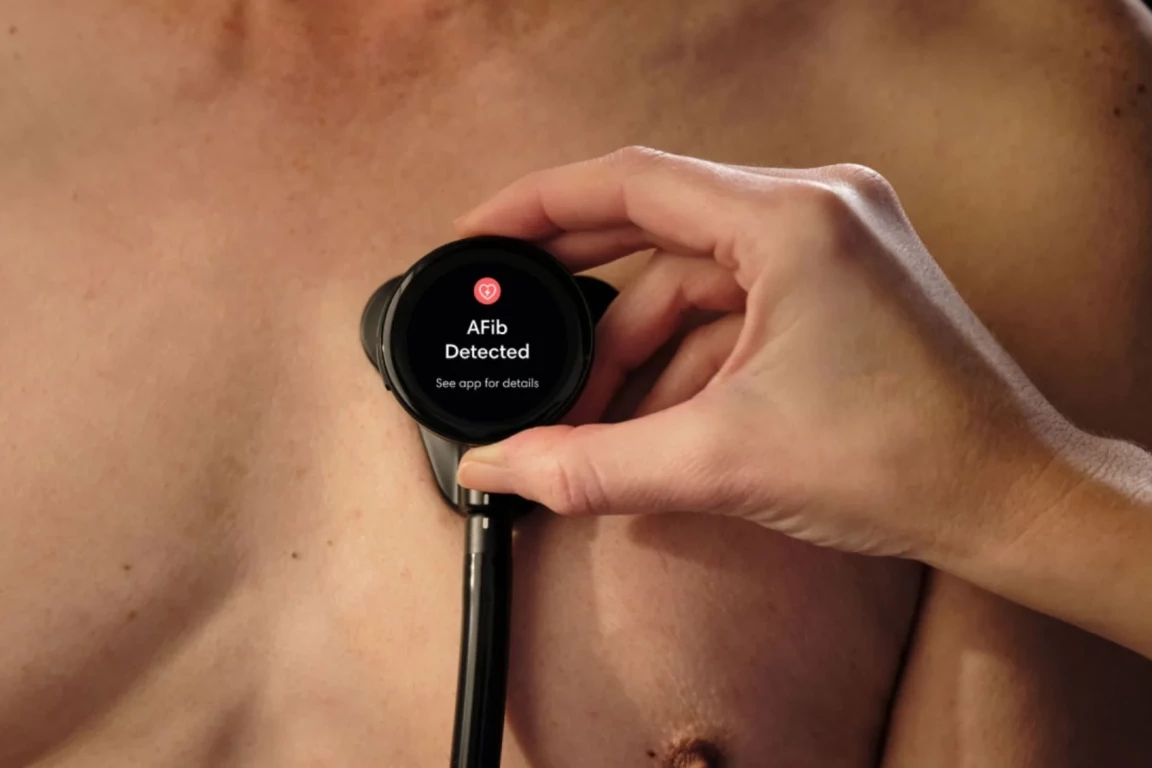
When used correctly, the new AI-enabled stethoscope can detect heart conditions earlier if properly integrated into everyday clinical practice.
A new AI-enabled stethoscope designed to detect serious heart conditions spots them faster and more frequently in primary care.
The clinical trial, called TRICORDER, led by researchers at Imperial’s National Heart and Lung Institute and Imperial College Healthcare NHS Trust, and supported by the Imperial Biomedical Research Centre (BRC), examined if the technology could detect heart conditions such as heart failure, arrhythmias and valve disease.
The study found that although the technology worked well, it didn’t significantly increase the overall number of heart failure diagnoses. This was primarily because too many GPs did not use the device consistently in routine clinical practice.
When doctors used the AI stethoscope as intended, the technology detected these cardiovascular conditions faster and more frequently. This suggests the device performed well, but it will only have a significant impact on patient care when doctors use it frequently and receive the training to do so correctly.
“Our trial suggests AI tools like smart stethoscopes help us detect heart conditions earlier, but only if they are used and properly integrated into everyday clinical practice,” said Patrik Bachtiger, one of the researchers who led the study.
“Although the technology performed well, the impact it could have in the real world depends on doctors being able to use the technology easily during busy clinics.”
The TRICORDER trial involved 205 NHS GP practices and more than 1.5 million registered patients in the UK. Over the year-long study, doctors performed nearly 13,000 AI-assisted heart examinations. Patients examined with the AI stethoscope had significantly higher detection rates – nearly twice as many new heart failure cases and three times as many detections of irregular heart rhythms – compared to patients who were not examined with the AI device.