Add us as a preferred source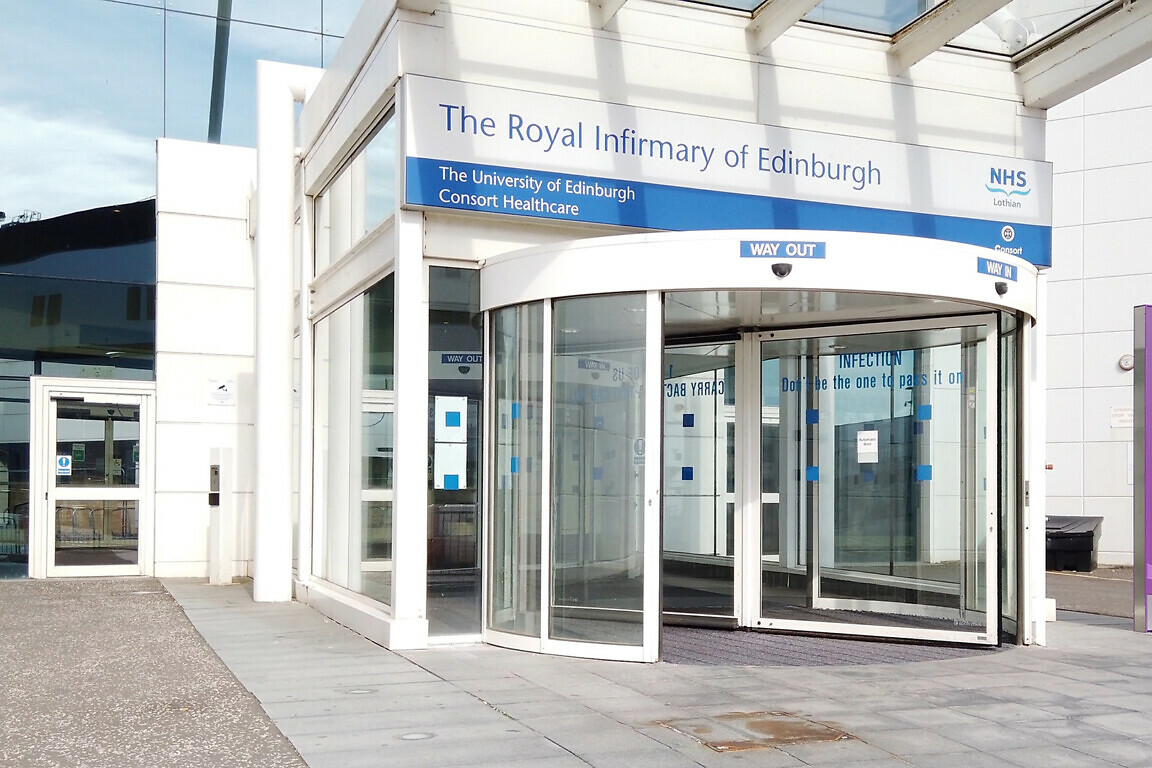
Healthcare Improvement Scotland’s report into the Royal Edinburgh Hospital has found a range of problems with adult mental health services.
In the wake of a damning report earlier this month from Healthcare Improvement Scotland into maternity services at the Royal Infirmary of Edinburgh, the country’s health and care improvement agency has now inspected the Royal Edinburgh Hospital and found problems with adult mental health services.
The report finds a lack of approved processes to support staff decision-making and a lack of privacy for patients in non-standard care areas. Issues around unassessed ligature points, environmental challenges and the ability of staff to be able to carry out continuous observations were also highlighted.
Both hospitals are managed by NHS Lothian.
“Several requirements have been given in relation to a lack of effective systems in place to support the delivery of safe care within non-standard care areas. We will return to carry out a follow-up inspection to assess and monitor improvement in response to these concerns,” said chief inspector Donna Maclean.
The Royal Edinburgh Hospital inspection resulted in six areas of good practice, four recommendations and 21 requirements. An improvement action plan has been developed by NHS Lothian to meet the requirements.
Immediate action
The requirements run from the accurate and consistent completion of all patient care documentation and policies and procedures for staff to follow to ensure consistent and safe delivery of care, to steps to understand and reduce the number of medication incidents and risk management systems to ensure the safe delivery of care in non-standard care areas.
Indeed, a number of recommendations relate to what is conventionally called corridor care.
In response to the report, Jim Crombie, deputy chief executive of NHS Lothian, emphasised that significant work has been ongoing since March to meet what the health board calls “the considerable increase” in demand for beds, which regularly exceed capacity.
“We take patient safety extremely seriously and took immediate action to address many of the concerns raised in the report,” he said.
“A structured plan to reconfigure wards to add extra permanent beds where needed is almost complete. This will end the use of temporary, non-standard areas and the divert suite, which were set up in response to demand,” he added.
He emphasised that the health board had recently recruited 97 newly qualified nurses and 30 healthcare support workers. It was also working closely with the health and social care partnerships and other specialist care providers to ensure that patients can return to the community with appropriate support.