Add us as a preferred source
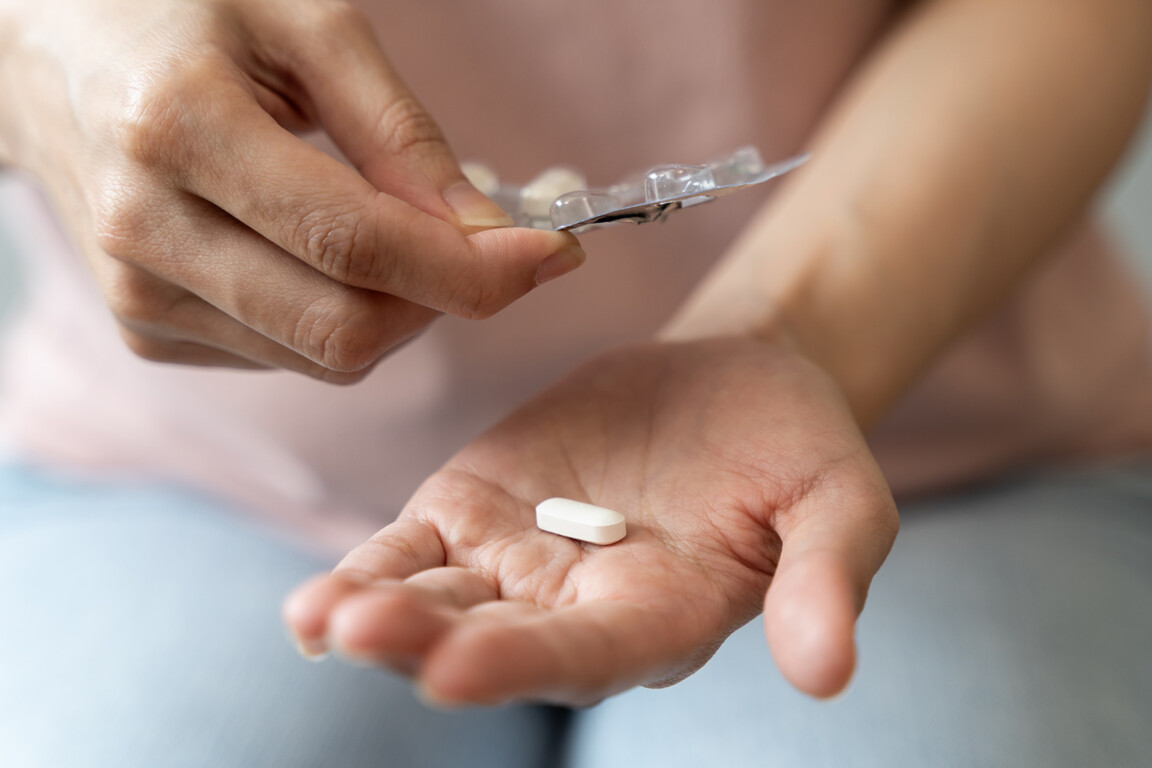
Young people who have experienced mental health difficulties find antidepressants are safe and effective, but are reluctant to talk about their treatment.
A survey of 1,514 young people aged 16-25 across England, Scotland and Wales has found antidepressants are viewed positively, particularly with those who have experienced mental health difficulties.
Commissioned by University College London’s (UCL) Grand Challenge of Mental Health and Wellbeing, the study found 58% of young people found antidepressants to be effective. This was higher among young people who have had depression (63-64%), compared to those who have never had the condition (54%).
Most respondents said they thought that antidepressants were safe (65%), and this climbed to 74% in those who were currently experiencing depression, and 70% in those who had recovered from the mental health illness.
Half of the study respondents (53%) said they have experienced depression, and 16% said they were currently depressed.
Young people were also asked about how they would feel if they were prescribed antidepressants. Those with experience of depression were most likely to say they felt hopeful (37%), yet 29% said being prescribed this form of treatment would make them feel worried. In addition, 27% said they expected to feel hopeful.
Support for antidepressants
“While there is a lot of negative press about antidepressants, interestingly, our findings suggest that scepticism primarily comes from people who have never needed mental health treatment of any kind,” said Argyris Stringaris, professor of child and adolescent psychiatry at UCL and UCL Grand Challenges pro-vice provost (mental health and wellbeing). “Young people who have had depression, and particularly those who have ever taken antidepressants, appear to be the most supportive of the use of antidepressants. This underscores the importance of actively seeking the views of people who have been seriously affected, and critically evaluating the input to such questions.”
Among the respondents who had experienced severe depression, more of them had tried talking therapies (76%) than antidepressants (58%). Those who had tried antidepressants overwhelmingly found them to be helpful (83%).
Most of the young people surveyed said they would be comfortable with their friends (64%) and family (58%) knowing they were prescribed antidepressant medication. But only a quarter would be comfortable with their colleagues knowing this. It demonstrates that stigma around mental health and antidepressant use persists, UCL said.
Respondents were also asked about their views on whether antidepressants were addictive. Just under half (45%) said they thought they were and 23% said they did not.
Mental health professionals most trusted
UCL’s research found mental health professionals were the most trusted source of mental health treatment advice, and 73% of the young people surveyed said they would trust them either a great deal or a fair amount.
While GPs are typically the first point of access to mental health treatment, only 46% of respondents would trust GPs for mental health treatment advice, the survey found.
Surprisingly, most young people were sceptical about accessing mental health advice from social media or via AI. A total of 75% said they would trust generative AI only a little or not at all, and 71% said they would not trust social media platforms much for accessing mental health information.
“It’s reassuring that young people are putting their trust in health professionals and NHS sources more than social media or AI tools, but there is still more work to do to tackle misinformation online,” added Annie Jeffrey, an epidemiologist and senior research fellow who is part of the UCL Psychiatry team. “It is concerning that a lot of people are not very trusting of their GP to provide accurate mental health advice. As mental health problems are on the rise among children and adolescents, it’s important that young people are empowered with useful and accurate information so that they have confidence in the help that is available to them.”