Add us as a preferred source
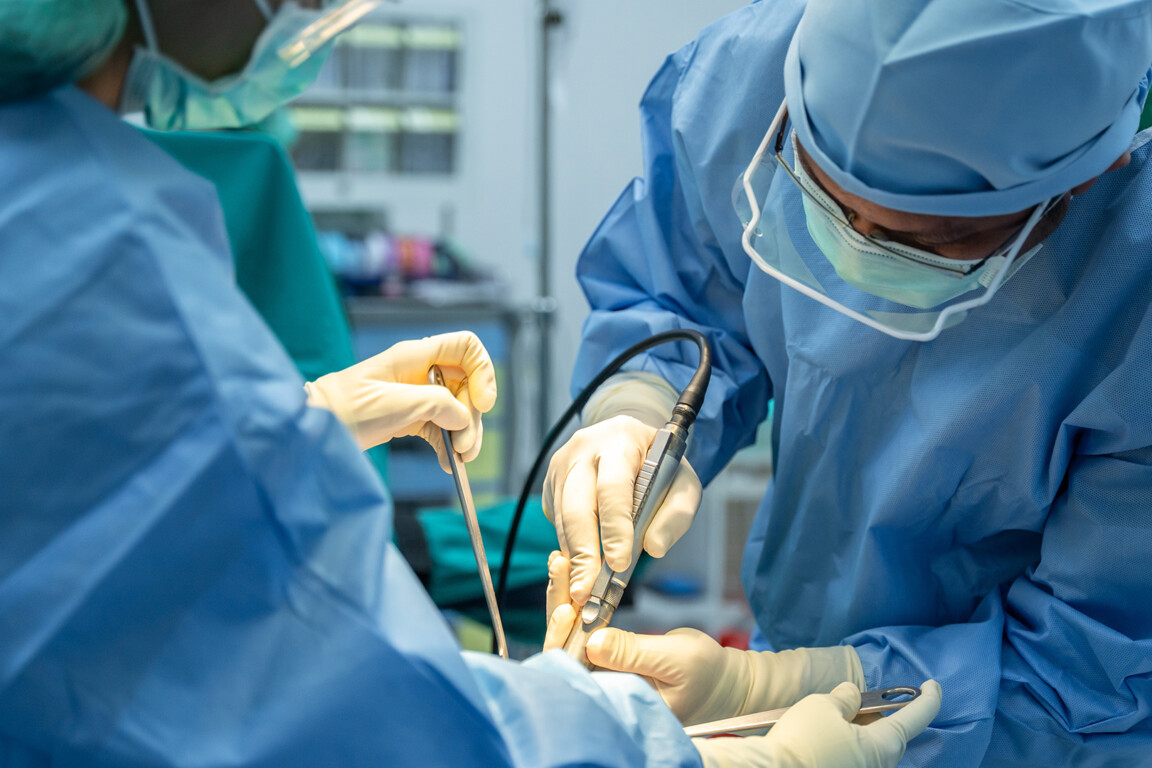
Only a small proportion of public hospitals in Australia achieve a full on-time treatment rate for elective surgery within their clinically recommended timeframe.
Only six hospitals out of 260 in Australia achieved a full on-time treatment rate for elective surgery. Northern Beaches Hospital and Royal Prince Alfred Hospital stand in stark contrast to Macksville District Hospital in New South Wales, which recorded the lowest proportion with just 36.4% of elective surgeries treated within clinically recommended timeframes.
Health insurance comparison experts at Compare the Market analysed elective surgery data from public hospitals across Australia, examining the proportion of procedures carried out within their clinically recommended timeframe.
“Waiting for a surgery or procedure can already be stressful, never mind when some patients find themselves waiting over a year before receiving treatment,” said Steven Spicer, executive general manager of health at Compare the Market.
“While Australia’s public health system provides essential care, long wait times for some procedures may lead Australians to consider private healthcare options,” he added.
The research found that six hospitals treated all elective surgeries within the clinically recommended timeframe: Northern Beaches Hospital, Royal Prince Alfred Hospital, Concord Repatriation Hospital, Royal Prince Alfred Institute of Rheumatology & Orthopaedics, Gloucester Soldiers’ Memorial Hospital and Queanbeyan Hospital.
New South Wales ranks in nine of the top ten highest-performing hospitals in the study.
Sunbury Day Hospital in Victoria followed closely behind, treating 99.8% of its 757 elective surgeries within the recommended timeframe.
Difference between urgency categories
Macksville District Hospital (NSW) recorded the lowest number of elective surgeries treated within the clinically recommended timeframe, at 36.4%. Almost two-thirds of the hospital’s 1,743 elective surgeries were not treated within the recommended timeframe. Macksville’s overall result masks a significant difference between urgency categories. Of the hospital’s urgent elective surgeries, 93% were treated within the recommended 30-day timeframe.
However, performance fell considerably for semi-urgent patients, with just 33% treated within the recommended 90-day timeframe. The average wait for this group was 113 days, suggesting that some patients waited an average of 23 days beyond the recommended timeframe.
For non-urgent patients attending Macksville District Hospital, 1,256 surgeries were treated, and just 37% were within the recommended 365-day timeframe. The data also revealed that some patients were waiting more than 375 days for treatment.
Sydney Hospital/Sydney Eye Hospital recorded the second-lowest proportion with 44.8% of elective surgeries being treated within the recommended timeframe. Of the 7,394 elective surgeries recorded at the hospital, more than half were not treated within the clinically recommended timeframe.
North West Regional Hospital in Tasmania recorded the third-lowest proportion, with 49.7% of its 1,948 elective surgeries treated within the recommended timeframe. Just under half of the hospital’s elective surgeries were treated within the recommended timeframe.
This dataset analysed elective surgery waiting times across Australia using public hospital waiting-list data. It compares states and territories, local hospital networks, hospitals, surgical specialities and selected procedures to identify where patients are waiting longest, where demand is highest, and which areas are performing above or below national benchmarks. It used Australian Institute of Health and Welfare (AIHW) MyHospitals 2024-25 and Productivity Commission Report on Government Services data.