Add us as a preferred source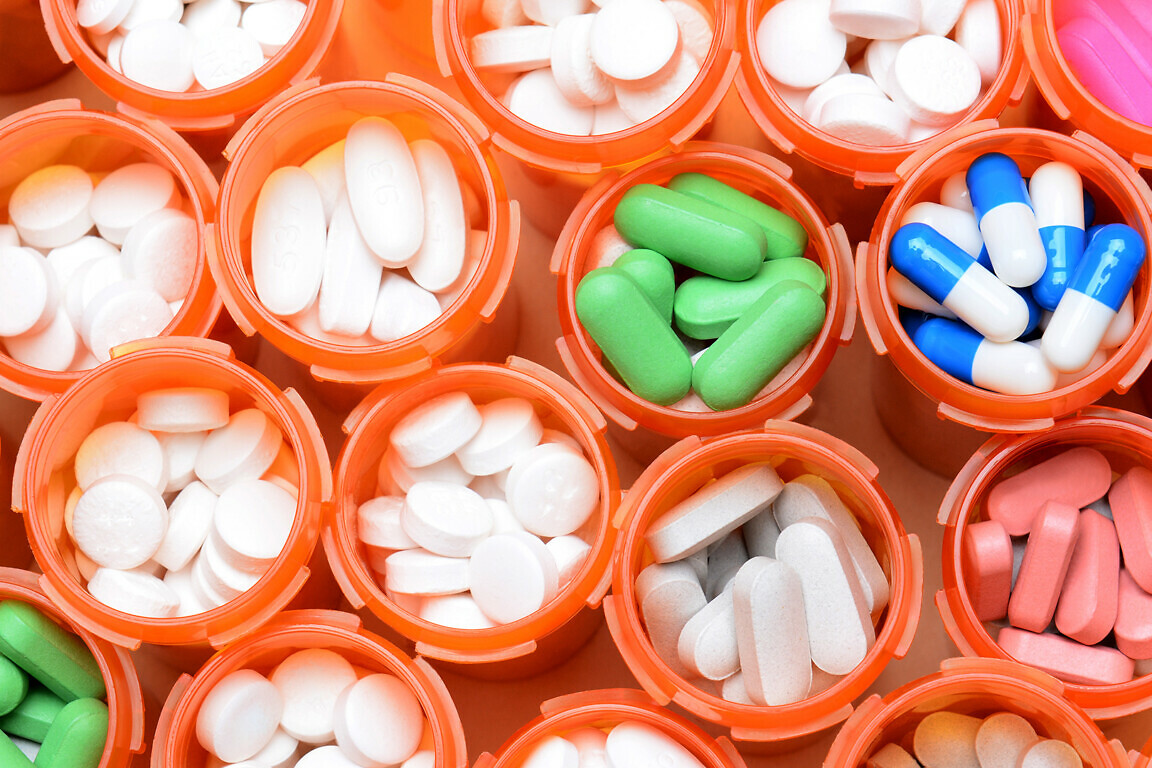
Under tariff threats from the US president, Britain has raised the price of medicines by 25% which will cost the NHS an additional £3 billion a year.
Britain has given in to US president Donald Trump and raised pharmaceutical prices in an attempt to avert threatened tariffs on the sector. It is a move that will see the UK pay 25% more for new medicines and cost the NHS and British taxpayers an additional £3 billion a year.
Little wonder that the Liberal Democrats have called the appeasement a “shakedown of the NHS”.
A triumphant US trade representative Jamieson Greer said that “this negotiated outcome pricing for innovative pharmaceuticals” would “help drive investment and innovation in both countries”.
“For too long, American patients have been forced to subsidise prescription drugs and biologics in other developed countries by paying a significant premium for the same products in ours,” he added.
US secretary of commerce Howard Lutnick called the deal a win for American workers and for the US economy.
Under the terms of the deal, as well as the increase in the net price it pays for new medicines, Britain has also agreed to ensure that higher prices for new medicines are not materially eroded by a demand for portfolio-wide concessions under the Voluntary Scheme for Branded Medicines Pricing, Access and Growth (VPAG) or other rebate schemes.
What this means is that the repayment rate owed by companies under the current VPAG scheme will decrease to 15% next year and remain at or below that level for the duration of the scheme.
“Milestone deal”
The British government called it a “milestone deal” which would benefit tens of thousands of NHS patients. It highlighted the fact that the UK has become the only country in the world to secure a zero per cent tariff on pharmaceuticals to the US for three years.
“This vital deal will ensure UK patients get the cutting-edge medicines they need sooner, and our world-leading UK firms keep developing the treatments that can change lives,” said science and technology secretary Liz Kendall, adding that it would also “enable and incentivise life sciences companies to continue to invest and innovate right here in the UK”.
Business and trade secretary Peter Kyle said that the deal would guarantee that UK pharmaceutical exports – worth at least £5 billion a year – would enter the US tariff-free, “protecting jobs, boosting investment and paving the way for the UK to become a global hub for life sciences,” he said.
In fact, the UK exported £6.6 billion worth of medicinal and pharmaceutical products to the US last year.
The National Institute for Health and Care Excellence (NICE) will increase the baseline threshold from £20,000-£30,000 to £25,000-£35,000, which the government says gives it the opportunity to approve more new medicines and allow a greater number of patients to benefit from those medicines. The threshold is to rise by 25% at the lower end, and 17% at the upper end. The prices of existing medicines used by the NHS will not be affected, but in the future, new medicines will be assessed under revised cost-effectiveness thresholds.
This, the government makes a point of saying, is the first baseline increase in 20 years.
Pharmaceutical windfall
While the move will be tough for the NHS, for the pharmaceutical industry, Christmas has come early.
“These commitments begin to address industry concerns on NHS access to medicines, and the UK’s record-high and unpredictable payment rate,” said Richard Torbett, chief executive of the Association of the British Pharmaceutical Industry (ABPI), who has long campaigned against what he sees as a lack of British pharmaceutical competitiveness.
“There remain a great many details to work out and further technical improvements to make, but with this strong and positive progress, I look forward to working with the government to ensure this plan delivers for the NHS, patients and UK industry,” he added.
This year has seen a flurry of international pharmaceutical companies leave the UK.
AstraZeneca announced in February that it had halted a planned £450 million investment in Speke after the government pulled back from the previous government’s offer of support, and US pharmaceutical giant Merck scrapped plans for a £1 billion research centre in London and made 125 scientists redundant in September.
A sign of how much the deal is expected to benefit pharmaceutical company shareholders comes from how it has been welcomed with open arms by Bristol Myers Squibb board chair and chief executive, Chris Boerner, who called it “a sign of progress” and said that it created a “conducive” environment for the firm’s continued presence in the UK. He added that the deal meant that the pharmaceutical company now intended to invest upwards of £377 million in the country over the next five years.
But given the continuous pressure on NHS budgets, no surprise that the health service has been blindsided by the deal. Daniel Elkeles, chief executive of NHS Providers, spoke for the entire sector when he wondered where the money to pay for the drugs would come from: “There is absolutely no slack in current published NHS spending plans for this major commitment, and that is a real worry for trust leaders.”