Add us as a preferred source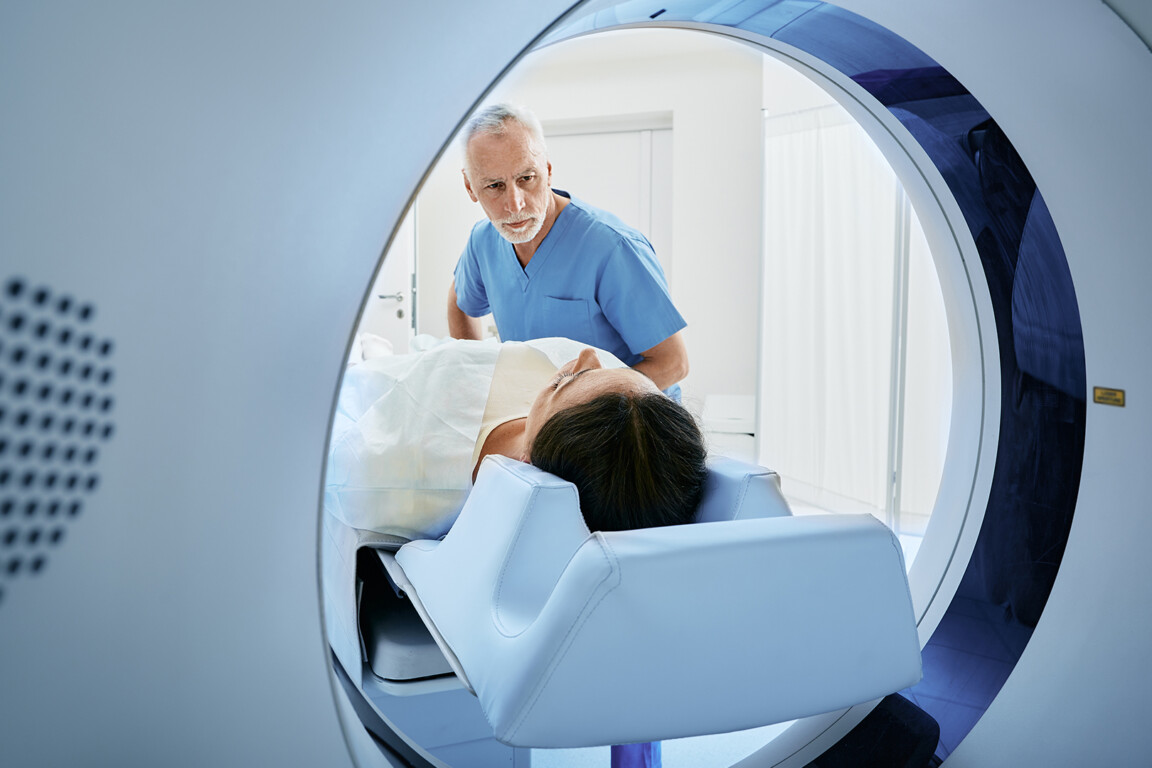
Patients can face repeated referrals and extra administration when their cancer care moves between NHS and private providers.
Cancer patients moving between NHS and private care can face unnecessary delays and duplicated referrals, a new report argues.
The Independent Healthcare Providers Network (IHPN) is calling for closer integration between the NHS and private sector as more patients use both during their cancer treatment.
In a new report, the network highlights the growing role of independent providers in NHS cancer diagnostics, with the sector delivering one in five NHS MRI and CT scans and nearly half of all PET-CT scans.
Around 320,000 private cancer admissions took place between 2022 and 2025. However, patients can encounter barriers when moving between providers.
The IHPN said independent providers can face difficulties when making urgent suspected cancer referrals to the NHS, and patients may instead be required to return to their GP and begin the referral process again.
The organisation points to a recent NHS Resolution review of delayed cancer diagnoses, which highlighted patients’ dependence on GPs for access to diagnostic testing and specialist referrals. The review also included cases in which patients sought private investigations or assessment after experiencing delays in primary care.
Referral barriers could result in avoidable delays, duplication and additional administrative work for patients during an already stressful period, the IHPN said.
More straightforward referrals
It is calling for independent providers to be able to make more straightforward referrals into NHS urgent suspected cancer pathways, including when cancer is suspected following diagnostic tests carried out privately.
The network also wants better sharing of patient records, scans and other diagnostic information between NHS and independent services to reduce duplication and improve continuity of care.
The organisation has called for stronger links between NHS and independent multidisciplinary teams, with clearer governance arrangements to allow clinicians from different providers to work together.
Danielle Henry, director of policy at the IHPN, said cancer care needed to keep pace with the growing number of patients moving between the two sectors. “Cancer does not recognise organisational boundaries, and neither should cancer care,” she said.
The calls come as the government’s national cancer plan, published in February, aims to ensure all three cancer waiting time standards are met by the end of this parliament.
The standards require 80% of patients to receive a diagnosis or all-clear within 28 days of an urgent suspected cancer referral, 85% to start treatment within 62 days of referral, and 96% to start treatment within 31 days of a decision to treat.
The IHPN is also calling for greater use of independent-sector capacity in cancer diagnostics, as well as more opportunities for independent providers to participate in cancer research and clinical trials.