Add us as a preferred source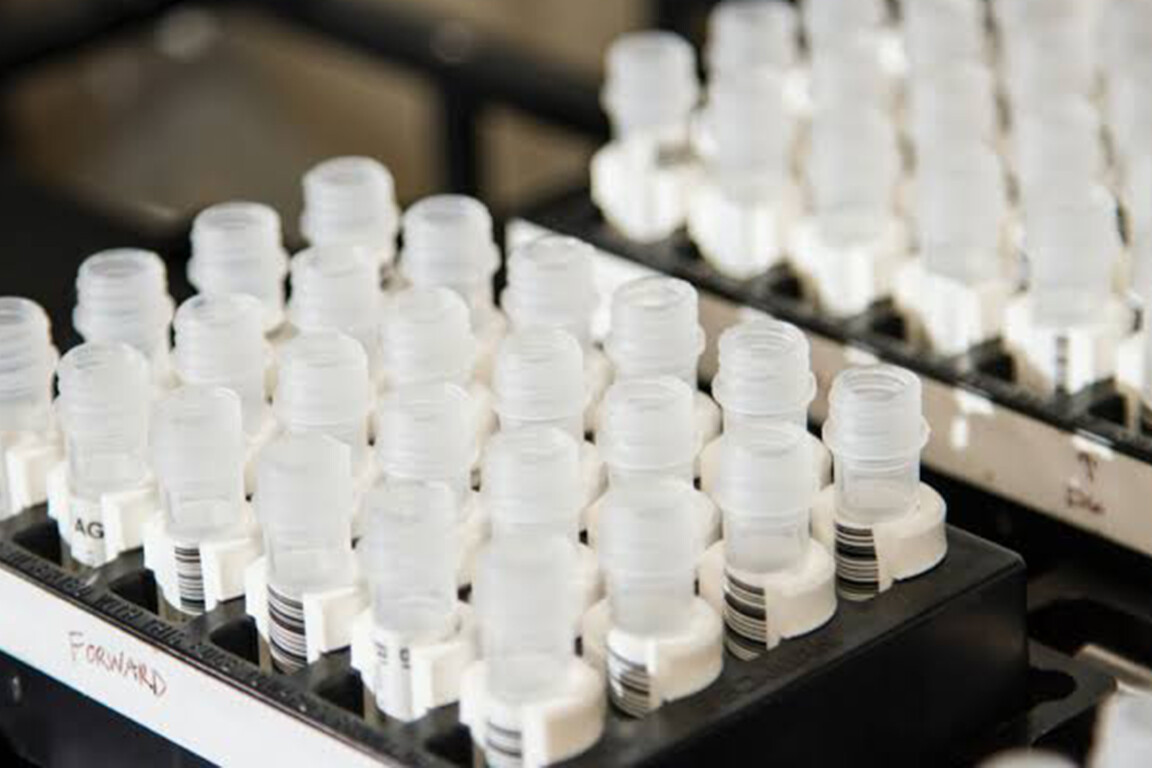
The latest investment rounds, grants, and corporate developments in healthtech and life sciences, including a cancer interception biotech and a Durham University spinout.
Athernal Bio secures £700,000 Innovate UK grant for cancer interception
Cambridge-based biotechnology startup Athernal Bio has been awarded nearly £700,000 in non-dilutive grant funding via Innovate UK’s Growth Catalyst – Investor Partnerships programme.
The capital, backed alongside matched private investment from founding investor Delin Ventures, will accelerate preclinical development of the company’s lead immunotherapy programme aimed at intercepting acute myeloid leukaemia (AML).
Founded out of the Accelerate@Babraham incubator, Athernal Bio is developing targeted immunotherapies to treat high-risk clonal haematopoiesis (CH) – a blood cancer precursor condition that can be detected years before full-blown AML develops. The company’s initial programme targets patients with inherited rare blood disorders who are at the highest risk of accelerated CH progression.
Non-dilutive proceeds from the grant will fund preclinical validation studies and R&D collaborations with UK academic research institutions as Athernal prepares to take its lead candidate into the clinic.
“Patients at the highest risk of developing leukaemia currently have no therapeutic options to alter the course of their disease,” said Caroline Haegeman, co-founder and chief operating officer of Athernal Bio. “This award enables us to advance our lead programme towards the clinic and brings us another important step closer to delivering the first therapeutic approach designed to intercept these aggressive cancers before they develop.”
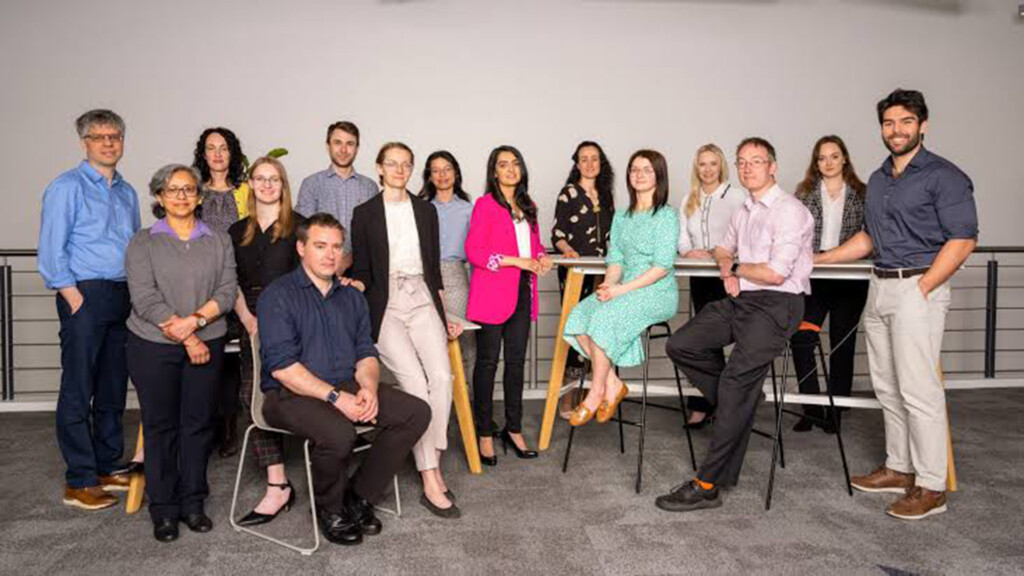
Magnitude Biosciences raises £1.3 million
Sedgefield-based contract research organisation Magnitude Biosciences has raised £1.3 million in a funding round to commercialise VivoScan, its high-throughput in vivo screening platform designed to identify treatments for ageing, longevity and neurodegenerative diseases.
Spun out of Durham University, the company uses C. elegans nematode worms alongside advanced imaging, machine learning and robotics to generate whole-organism biological data in weeks.
The investment was led by Northstar Ventures via the North East Spinout Inspire Fund, the North East Innovation Fund, and the Northstar EIS Growth Fund. Co-investors include Maven Capital Partners – via NPIF II – Maven Equity Finance and the Finance Durham Fund – alongside private angel investors. The round also unlocked a £217,000 Innovate UK Investor Partnership grant. Capital will be used to scale screening capacity, purchase automated equipment, expand commercial partnerships with global pharmaceutical companies, and recruit technical staff.
“Our ambition is to become the first company to provide a platform to screen millions of compounds in a whole organism,” said chief executive Fozia Saleem. “This investment in VivoScan gives us the opportunity to turn that ambition into reality and fundamentally change the scale and speed at which drug discovery can be done.”
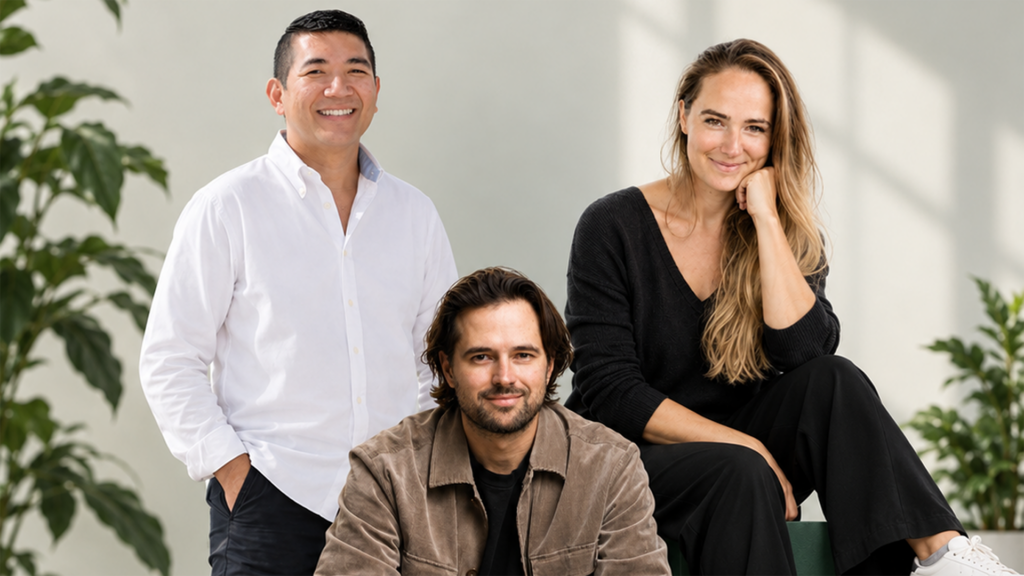
Axo Longevity raises oversubscribed seed round
Preventive health provider Axo Longevity has raised $5 million (£3.8 million) in an oversubscribed seed funding round to expand its biomarker testing platform across Europe and Latin America.
The round was led by a syndicate including MS&AD Ventures, Izou Partners, LifeX Ventures, Everywhere Ventures, UNQ, 51 Ventures, Cistern Capital and NIAN Sports & Entertainment. Strategic angel investors include Jorge Planas of Clinica Planas Barcelona and Daniel Kulle, former president of H&M.
Founded last year by chief executive Andrew McCarthy, chief product officer Sergio Tang, and chief operating officer Octavia Seymour, the London- and Madrid-headquartered startup tracks internal health markers before clinical symptoms appear.
“Europe has exceptional clinical infrastructure, but for consumers it is fragmented, and they might only be able to access it when they are sick,” said Tang.
The company operates via a network of more than 1,400 partner laboratories, including Randox, Eurofins, Sussex Pathology, MDI Limbach and Multilab. Its flagship annual membership, priced at €490 (£413), provides biannual blood tests covering 100 diagnostic biomarkers, biological age assessments and personalised action plans.
Clinical operations are led by chief medical officer Niko Mihic, medical supervisor at Real Madrid FC, with former Red Bull head of high performance Andy Walshe as executive longevity advisor.
The capital will be used to broaden laboratory integrations, build out an AI health copilot, integrate wearable device telemetry, and support launches across the Nordics, Italy and Portugal.
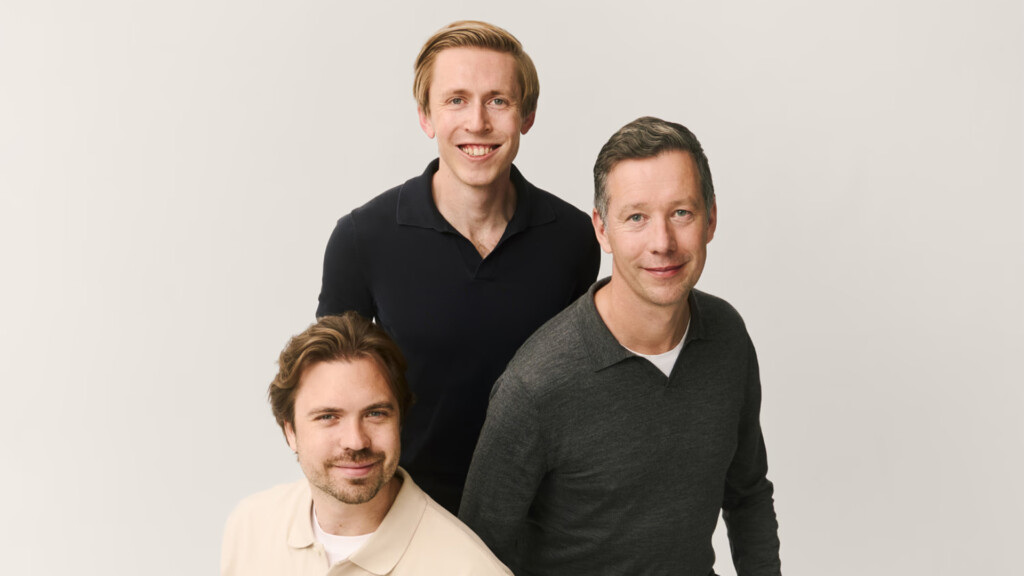
Tandem Health raises $100 million Series B
Stockholm-headquartered healthtech company Tandem Health has raised $100 million (£76 million) in a Series B funding round led by the EQT-managed Scaleup Europe Fund. The deal is the fund’s first investment in healthcare artificial intelligence and drew continued participation from existing backers Kinnevik, Northzone, Amino Collective and Visionaries, bringing Tandem’s total funding to $160 million.
Founded in 2023 by chief executive Lukas Saari, Tandem Health develops regulatory-certified AI software that assists clinicians before, during and after patient consultations. The platform combines an AI scribe, coding assistant and clinical decision support tool – each certified as a Class IIa medical device under the EU Medical Device Regulation (MDR). Integrated with more than 130 electronic health record systems, the software is deployed across 10,000 care organisations in 14 European countries, including Ramsay Santé, Humanitas and the NHS.
The company will use the capital to expand its clinician-led team and transition its product suite from an AI medical assistant into an AI-native clinic operating system that automates patient flow and administrative tasks.
“Europe should be setting the standard for how AI enters healthcare, not adopting someone else’s,” said Saari. “This funding lets us do that, bringing healthcare safely into the AI era, working in tandem with patients, clinicians, systems and nations.”