Add us as a preferred source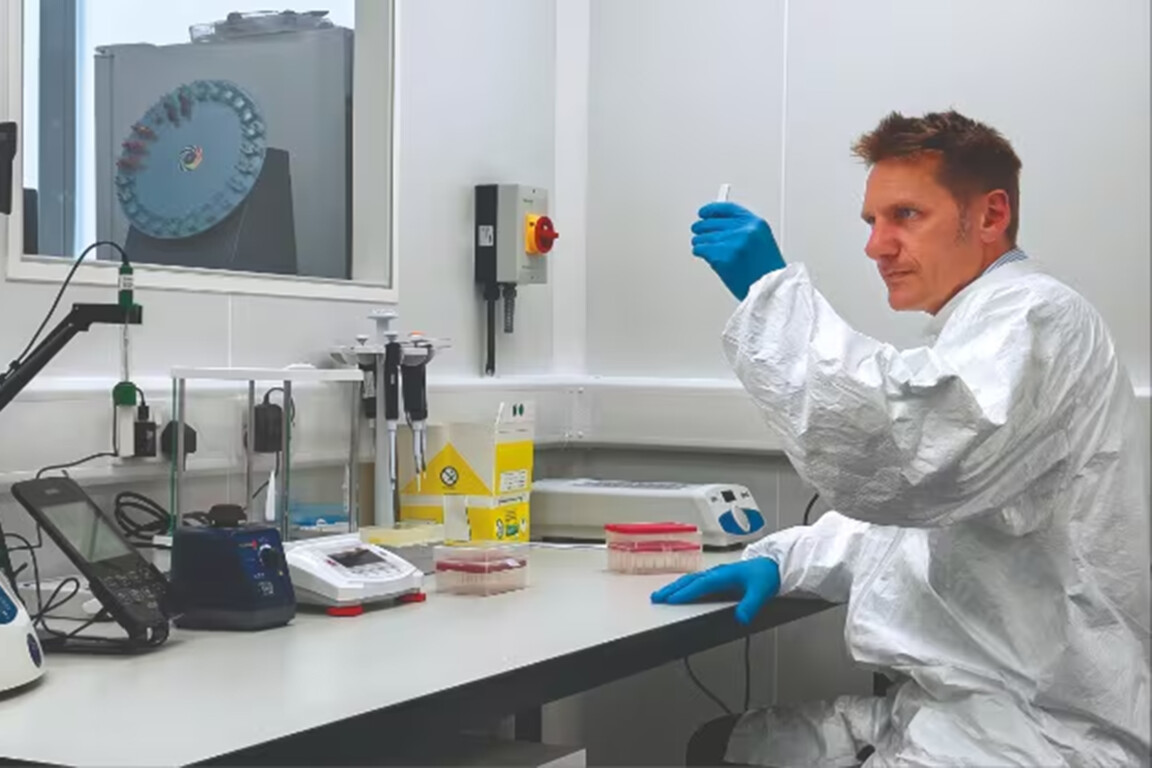
The latest investment rounds, grants and strategic partnerships in healthtech, medtech and life sciences, featuring a platform to detect hidden microvascular disease, cancer combination therapies and simplifying unstructured healthcare data.
Fuse Diagnostics raises £1 million to scale molecular testing platform
Cambridge-based molecular diagnostics developer Fuse Diagnostics has raised £1 million in pre-seed funding to accelerate commercialisation of its Flip testing platform and expand manufacturing capabilities at its headquarters.
The round was led by The FSE Group, with participation from existing angel investors and new backers including Cambridge Capital Group.
Founded by brothers Harry and Ralph Lamble – who previously launched Sense Biodetection – Fuse provides instrument-free, rapid molecular diagnostic tests for pathogens and biological contaminants. Combining proprietary amplification chemistry with a disposable test design, the Flip platform delivers laboratory-quality results without specialist laboratory infrastructure.
The investment will support scaling across six key sectors: life sciences research, bioprocessing, food safety, water quality, veterinary diagnostics and plant agriculture. Proceeds will also advance assay validation with industrial partners and expand commercial reach following the rollout of its flagship assay, Flip Mycoplasma.
“Built on years of scientific and engineering development, Flip is designed to give researchers faster, simpler tools for detecting pathogens and contaminants, helping to prevent disease and protect products, biological processes and the environment,” said chief executive Harry Lamble.
Dimension Biotechnologies launches with £700,000 pre-seed funding
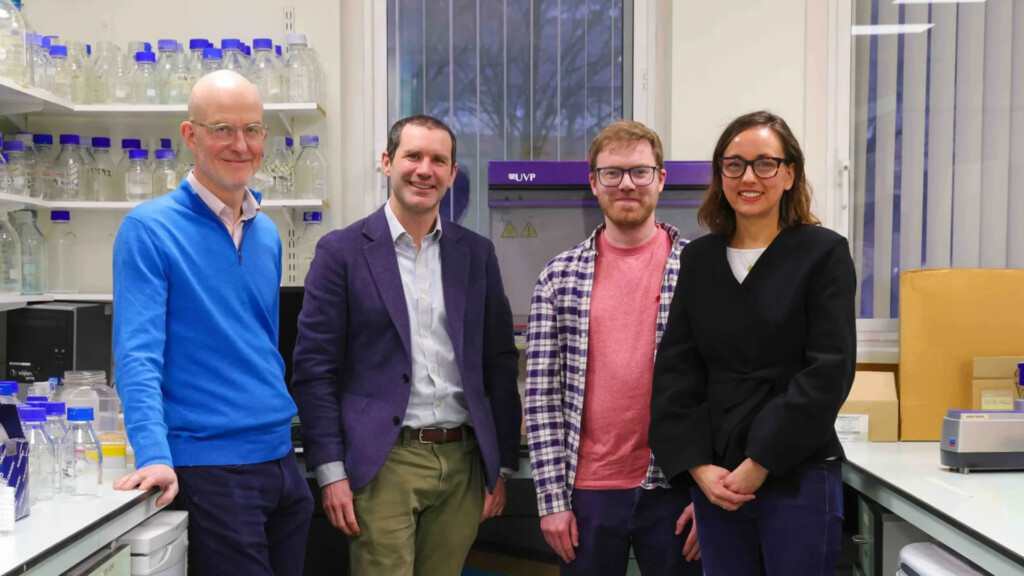
University of Bristol spinout Dimension Biotechnologies has launched with more than £700,000 in pre-seed funding to commercialise a blood testing platform for detecting hidden microvascular disease. The platform analyses changes in the glycocalyx – a protective sugar-rich layer coating the inside of blood vessels – via circulating red blood cells to generate a biochemical fingerprint of vascular health without requiring invasive biopsies or complex imaging.
The financing package combines £490,000 in equity investment from Kidney Research UK, the University of Bristol, local angel investors and the KQ Labs Accelerator at the Francis Crick Institute, alongside £215,000 in non-dilutive Innovate UK grant funding.
Dimension was co-founded by chief executive Arne Scott, chief operating officer Ulrike Gorochowski, and Steve Harper, alongside scientific co-founders Simon Satchell and Matthew Butler of the Bristol Renal research group.
Capital will be used to expand the team at its new laboratory at Science Creates in Bristol, strengthen its intellectual property portfolio, and advance clinical evaluation of the platform in ongoing NHS studies to aid the development of treatments for kidney, cardiovascular, and metabolic diseases.
“Doctors can see the consequences of microvascular disease every day, but they lack practical tools to measure it directly,” said Scott. “Our goal is to make microvascular health measurable through a routine blood test, helping researchers develop better treatments, and enabling patients to benefit from earlier and more targeted interventions.”
Droplet Scientific raises £1.5 million pre-seed funding
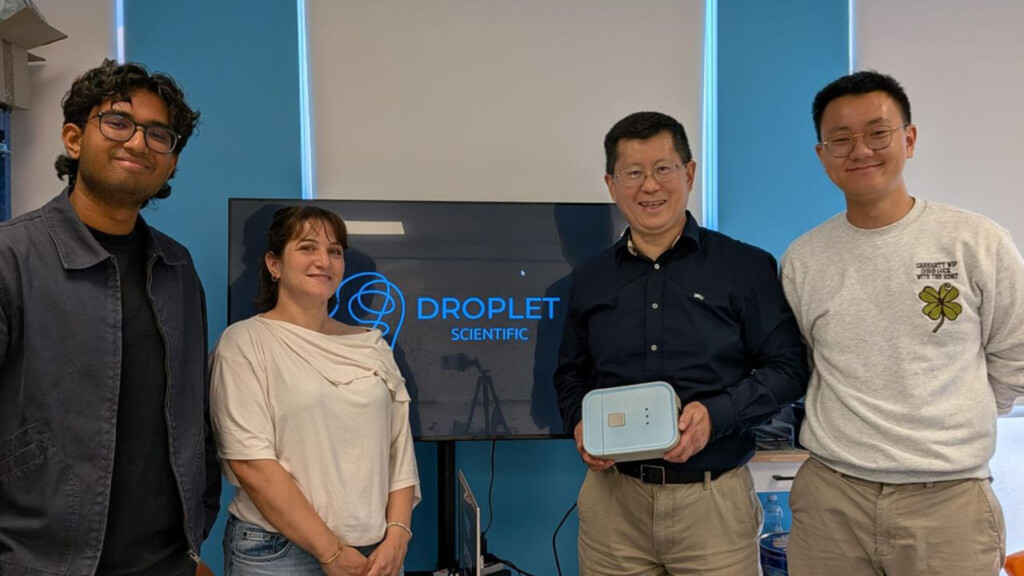
University of Southampton spinout Droplet Scientific has raised £1.5 million in the first close of its pre-seed funding round to commercialise continuous biochemical monitoring technology for hospital bedsides.
Led by DSW Ventures alongside TusPark Holdings and Hope Sky Capital, the investment will support product development, regulatory certification and team expansion in Southampton.
Co-founded by microfluidics expert Xize Niu and former Dyson engineer Junda Niu, Droplet Scientific’s microfluidic and optical platform automates biomarker sampling every 20 seconds. This creates continuous, near-real-time data streams for critical care conditions such as sepsis, trauma and cardiogenic shock. The company’s debut product, AnalyteX, is initially targeted at neuroscience intensive care units to replace intermittent lab blood tests with automated bedside monitoring.
“Our vision is to bring the laboratory closer to the patient – providing accurate, automated and continuous biochemical information that can help clinicians recognise changes earlier and make better-informed treatment decisions,” said Niu. “This investment will enable us to grow our team in Southampton, advance AnalyteX towards a regulated clinical product, and work closely with clinicians and industry partners.”
Big Picture Bio launches with £2.2 million funding
London-headquartered biotechnology startup Big Picture Bio has launched with £2.2 million ($3 million) in funding to develop an AI-powered generative world model to identify and design cancer combination therapies.
The capital comprises a £1.5 million pre-seed round co-led by Kadmos Capital and Exceptional Ventures – with participation from Gloucester Ventures and angel investor John White – alongside a £700,000 non-dilutive grant from Innovate UK’s Investor Partnerships Programme.
Big Picture Bio uses computational modelling integrated with targeted wet-lab validation to predict how drug combinations, cell interactions and tissue environments behave across patient subgroups. The platform aims to navigate more than 900 billion potential therapeutic combinations to identify optimal drug pairings and treatment sequencing before clinical testing.
Proceeds will be used to take the company’s initial in-silico designed drug combinations into wet-lab validation, initially targeting oncology and immune-mediated diseases.
“Cancer is not one disease driven by one target, but we still develop drugs as if it were,” said co-founder and chief executive Kerstin Papenfuss. “Combinations are how we beat it – and with more than 900 billion of them possible, no lab on earth can test its way to the right ones. This funding takes our first designed combinations out of the model and into the lab.”
InTouchNow raises £2.3 million in seed round
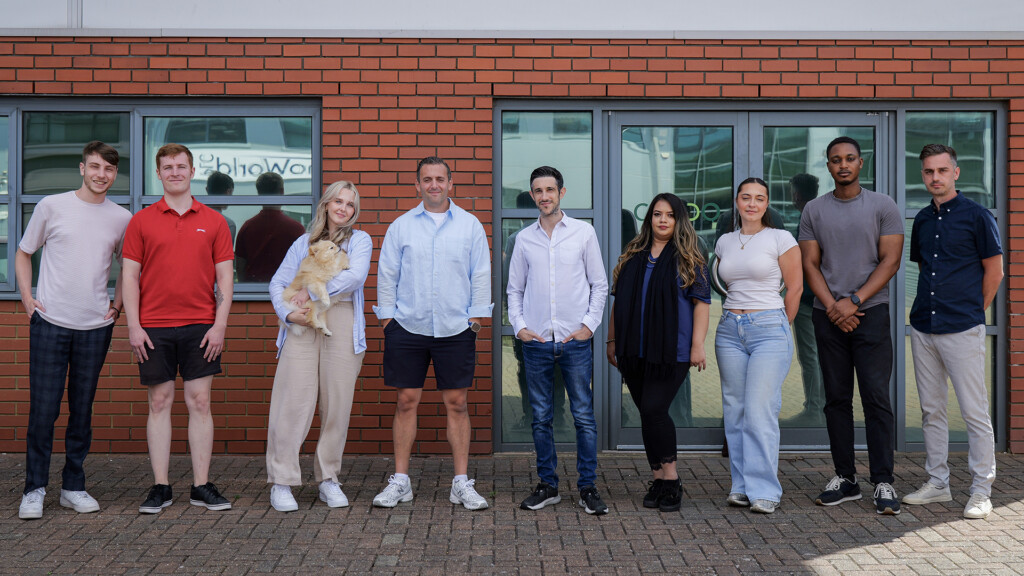
Hertfordshire-based healthtech startup InTouchNow has raised £2.3 million in a seed funding round led by Ada Ventures, with co-investment from Exceptional Ventures and Kadmos Capital. The deal is one of Ada Ventures’ largest seed investments so far and is the first venture capital investment into a primary care AI voice agent operating within the NHS.
Founded in 2019, InTouchNow provides automated AI voice agents to general practices, managing 24/7 inbound patient calls for appointment bookings, administrative tasks, and triage data collection. The technology handles calls in over 80 languages and 200 regional accents, resolving between 50% and 70% of routine inbound calls without human intervention. Registered with the MHRA as a Class 1 medical device, the platform is already live across more than 150 practices nationwide.
The funding will be used to advance the company’s AI and speech models, deepen integrations with NHS electronic patient record systems, enhance clinical safety governance, and expand distribution partnerships across general practice networks and hospital outpatient departments.
“For most patients, the GP reception desk is the front door to the entire NHS, and it’s under more strain than any other part of the system,” said founder Daniel Park. “InTouchNow was built to handle the repetitive, time-consuming calls so reception teams can focus on the patients who really need a person. Ada’s backing is a strong vote of confidence in British healthtech, and lets InTouchNow bring safe, ethical and genuinely useful AI to many more NHS practices across the UK.”
DYAD raises $10 million Series A to rewire healthcare care coordination
London-based healthcare AI company DYAD has raised $10 million (£7.6 million) in a Series A funding round led by Sangha Capital, with participation from Carbide Ventures and individual investors including Bill Tai.
The new capital brings the startup’s total funding raised to date to $19.5 million.
DYAD focuses on solving the £300 million administrative burden caused by long-form unstructured healthcare data, such as clinical correspondence, referrals and progress notes, which usually require manual effort to read and process.
The firm’s AI engine, GENIE, uses a multi-stage approach combining natural language processing, knowledge graphs and large language models to turn unstructured documents into structured data and actionable tasks. In primary care, GENIE powers the BetterLetter platform, which is currently used across more than 200 GP surgeries and processes approximately 500,000 clinical letters every month. Every coding suggestion generated by the system is reviewed and approved by practice personnel before being committed to patient records.
“Some of the most important patient information is still trapped in documents that existing systems cannot properly integrate, creating an unnecessary administrative burden for healthcare teams,” said Alexander Tayler, chief executive and co-founder of DYAD. “More than 200 GP surgeries are now using our technology, benefiting from a purpose-built world model for clinical coding and an agentic platform for healthcare administration. This investment will allow us to accelerate that growth and take our technology into other parts of healthcare.”
With the Series A funding, DYAD plans to expand the rollout of BetterLetter across UK general practice while piloting its technology across secondary care and mental health services. The company also intends to expand its clinical coordination.
Eterna Regeneratives raises $4 million seed round
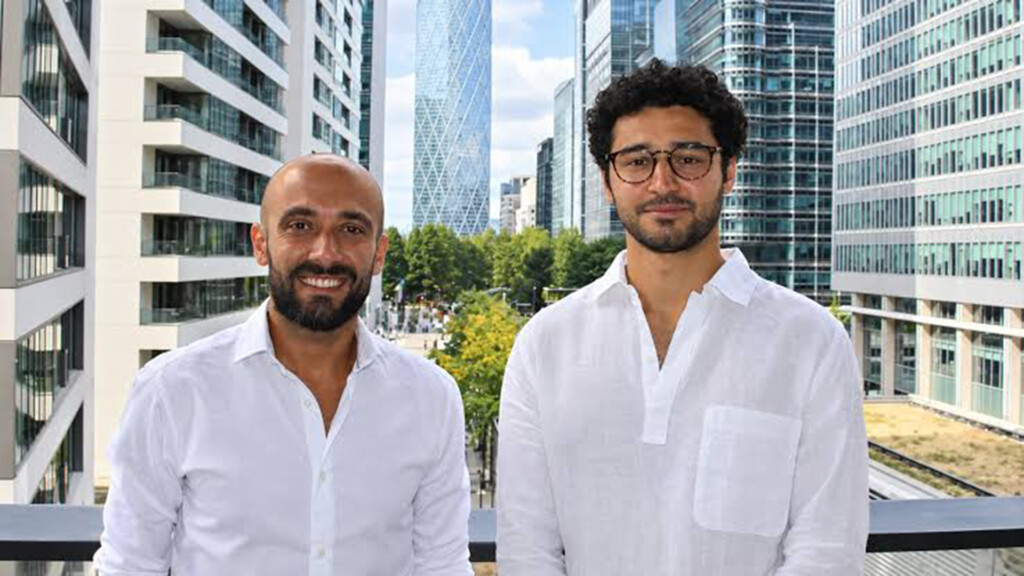
King’s College London spin-out Eterna Regeneratives has secured $4 million (£3 million) in a seed investment round led by Hoxton Ventures and The Venture Collective (TVC).
The company plans to commercialise its patented biomaterials platform for tooth enamel repair and bone regeneration, beginning with the $43 billion global oral care market.
Eterna uses a keratin-based material – derived from sheep’s wool – that can be incorporated into consumer toothpaste to regrow lost enamel. The material acts as a scaffold to guide mineralisation on the tooth surface, restoring mechanical strength to levels near native healthy enamel.
Having established new laboratory operations in Canary Wharf, the company will use the funds to expand its scientific and commercial teams, advance its intellectual property pipeline into bone tissue regeneration, and form partnership agreements with global oral care manufacturers.
“The only way to truly heal the human body is to help it heal itself,” said Khaled Eissa, co-founder and chief executive of Eterna Regeneratives. “We wanted to create a product that is readily available, scalable and has the potential to deliver long-term results.”
Heidi secures $340 million funding package to expand AI Care Partner across the NHS
Healthtech platform Heidi has raised $340 million (£258 million) in new equity and growth capital to scale its AI Care Partner technology across the NHS and international health systems.
The financing includes a $100 million Series C equity round led by Blackbird, with participation from Phoenix Court, Point72 Private Investments and Headline, valuing the business at $900 million. In addition, Heidi secured $240 million in growth funding from General Catalyst’s Customer Value Fund to expand its go-to-market capacity. This brings the company’s total capital raised to $436.6 million.
Heidi provides an AI platform designed to automate administrative tasks across the entire patient visit, including documentation, follow-up workflows and point-of-care clinical evidence queries. The platform supports over 560,000 patient consultations per week in the UK and was recently selected as sole supplier for NHS England Midlands, spanning 15 acute and community trusts, all Midlands integrated care boards and 1,239 GP practices.
The investment will be used to deepen integration with NHS electronic health record systems, expand its proprietary clinical AI models and hardware devices, and navigate regulatory pathways for advanced clinical features across the UK and Europe.
“From the day I started Heidi, the ambition was always bigger than writing doctor’s notes. I imagined AI sitting alongside clinicians throughout their work, from documenting consultations to helping carry out the work that follows them,” said Heidi co-founder and chief executive Thomas Kelly. “This round gives us the opportunity to go further in the UK; developing products that work the way the NHS needs them to, investing in the essential regulatory groundwork, and ultimately giving clinicians more time to focus on delivering care.”