Add us as a preferred source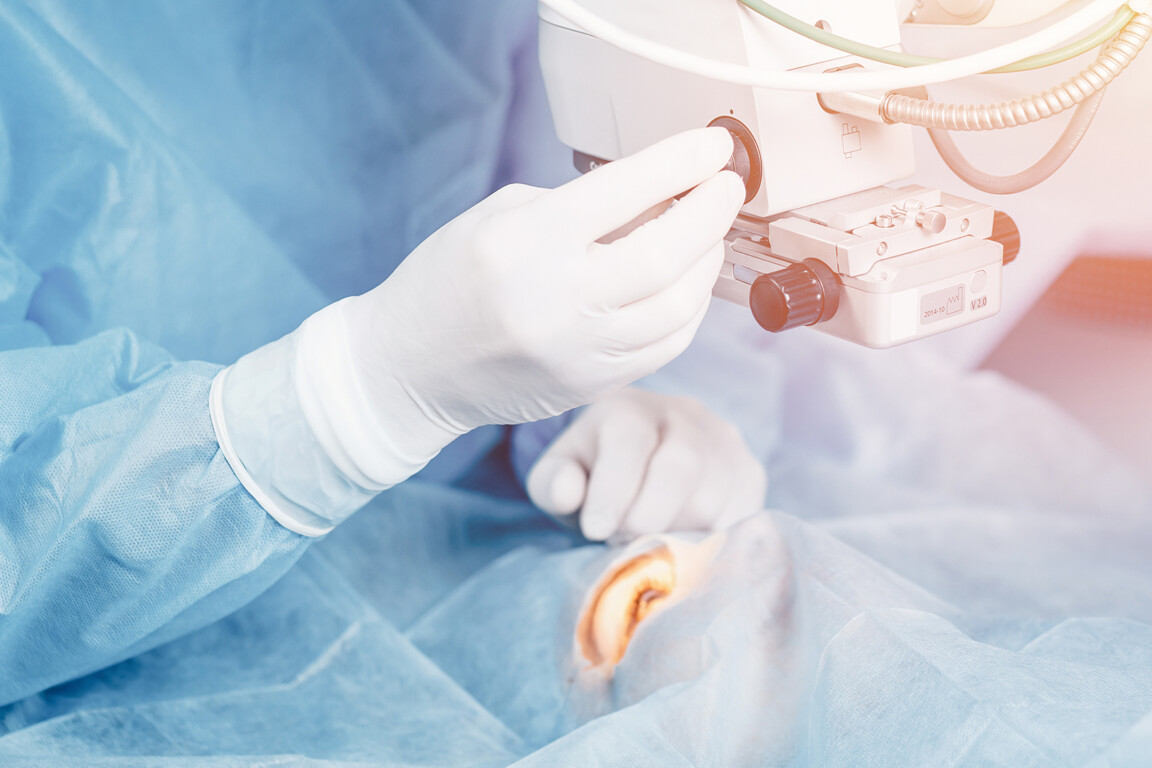
Record levels of self-pay at private hospitals driven by older patients opting to pay directly for private cataract surgery.
There were more self-pay admissions – using savings or a loan – at private hospitals in the first three months of the year than in any previous quarter, according to data from the Private Healthcare Information Network (PHIN), the independent, not-for-profit organisation that reports on the UK’s private clinics, hospitals and consultants.
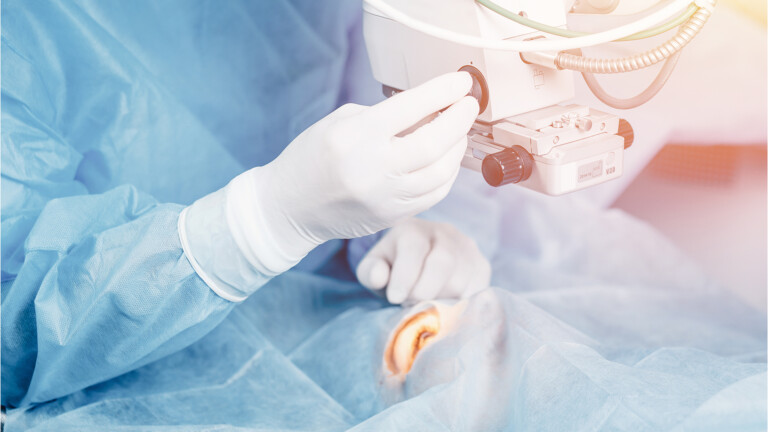
Cataract surgery made up 46% of the total increase in self-pay admissions in the UK, and virtually all of the net increase in cataract activity across self-pay and private medical insurance funding options.
Cataract surgery has long been the most common reason for a private hospital admission, and in the first quarter of the year (Q1) 2026 admissions rose by 13% to reach a total of 22,805. For those opting to self-pay for the procedure, the increase was even greater at 21%.
Patients aged 60 and over accounted for most of the additional self-pay episodes recorded by PHIN. There was a 13% increase in the 60-69 age group and 10% for the 70-79 and the 80-89 age groups.
“The overall self-pay increase was concentrated in specific procedures and should not be seen as uniform market-wide growth of self-pay. Blepharoplasty had the second highest number of admissions, suggesting ophthalmology procedures were responsible for much of the self-pay growth,” said Richard Wells, PHIN’s director of technology and insights.
“This growth in ophthalmic procedures was enough to push self-pay admissions to a record level, and the proportion of admissions versus those funded through insurance to the highest (31%) since Q3 2023, so it is definitely worth keeping an eye on,” he added.
Overall admissions largely unchanged
PHIN recorded 247,495 reported inpatient and day-case admissions in Q1 2026. The increased self-pay admissions offset lower insured admissions, leaving the total only fractionally higher than in the first quarter last year.
There was a small decline in admissions for those aged 10-19 (-1%), 30-39 (-1%), 40-49 (-1%) and 50-59 (-3%), but an increase for 60-69 (3%), 70-79 (3%) and 80-89 (5%) year olds.
There was also an increase for 20- 29-year-olds (3%), which PHIN suggests reflects growing acceptance and accessibility of private healthcare among younger people. There were several breast-related procedures (implants, mastopexy and mastectomy) among the biggest admission increases, as well as diagnostic laparoscopy and laser eye surgery for this age group.
The biggest decline in admissions (-990 or -22%) came for the 0-9 age category. Allergy testing admissions were down 89%, and there were fewer tonsillectomies and grommet insertions.
“Following a record year in 2025, the slight increase means that Q1 2026 sets another record level. There is not enough data to tell if the apparent slowdown in the growth rate of private admissions is the beginning of a trend. There were several significant worldwide events during this period which are likely to have impacted admissions, including the war in Iran,” said Wells.
“We expect the next quarter to show a higher level of growth compared to Q2 2025, especially if self-pay admissions continue to increase,” he added.