Add us as a preferred source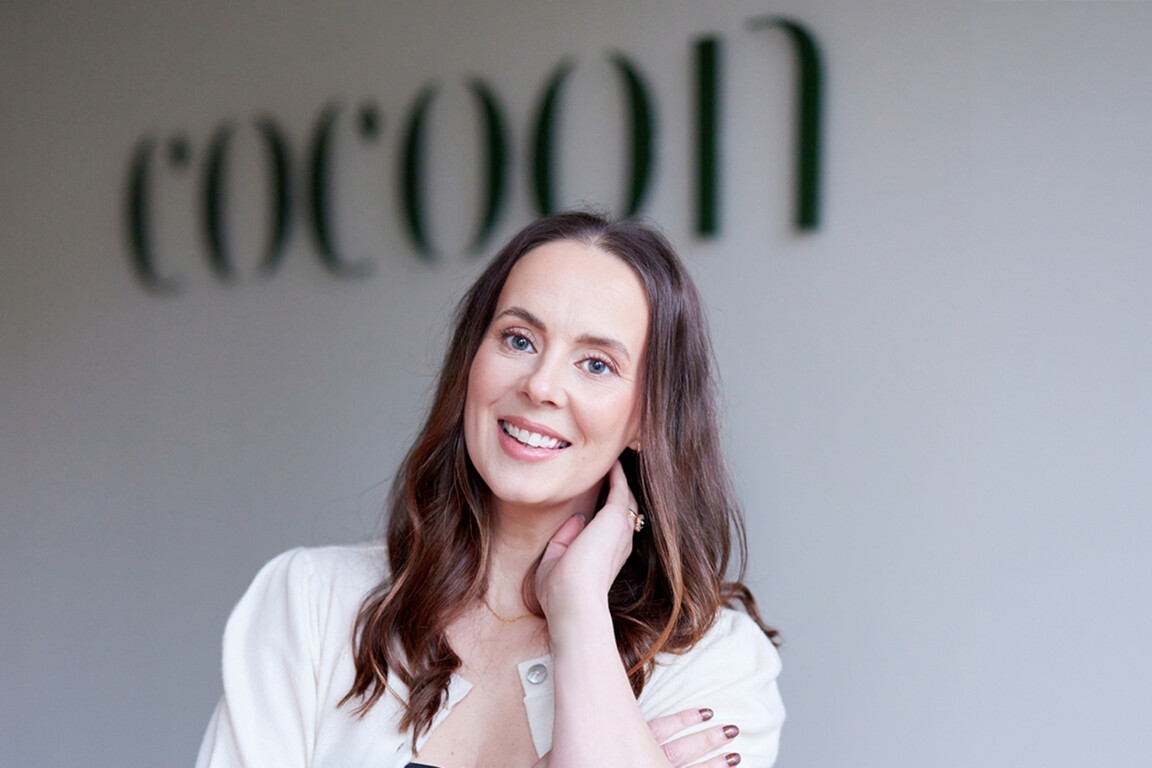
Sam Naughton, founder and chief executive of Cocoon Healthcare, says that losing her baby forced her to build the healthcare business she wished had existed.
When my baby died at ten weeks, it changed far more than my experience of motherhood, it fundamentally changed my understanding of healthcare and what compassionate care should feel like during the most frightening moments of somebody’s life. At the time, I was balancing a demanding corporate career alongside family life with my husband Ben and my daughter Ruby. From the outside, life looked settled and successful, then in the space of a single appointment, everything shifted. Ben and I attended an early pregnancy scan, expecting reassurance after I experienced bleeding, only for the room to fall silent before we were told there was no heartbeat. Our baby, Willow, had died.
What stayed with me afterwards was not only the grief itself, but how emotionally ill-equipped many parts of the healthcare experience felt for people living through loss and uncertainty. Miscarriage is often discussed in clinical language that unintentionally minimises the reality of what families are experiencing. Willow was not a medical event, they were our baby, and we were grieving the future we had already imagined.
When I became pregnant again shortly afterwards, relief was quickly replaced by anxiety. Every scan appointment felt like something to survive rather than celebrate. I sought reassurance through private clinics, but many of the environments I entered felt built entirely around joy, with little recognition that pregnancy can also involve trauma, grief and fear. I remember sitting in waiting rooms surrounded by heartbeat bears and celebratory displays while wondering how somebody who had just received devastating news was supposed to walk back through that same space.
Preventative healthcare
After my son Alby was born safely, I kept thinking about the women and families I had met along the way, many quietly navigating fertility struggles, pregnancy anxiety, miscarriage or loss while feeling emotionally unsupported. It also made me increasingly aware of how difficult many people found it to access earlier answers and preventative healthcare before concerns escalated further.
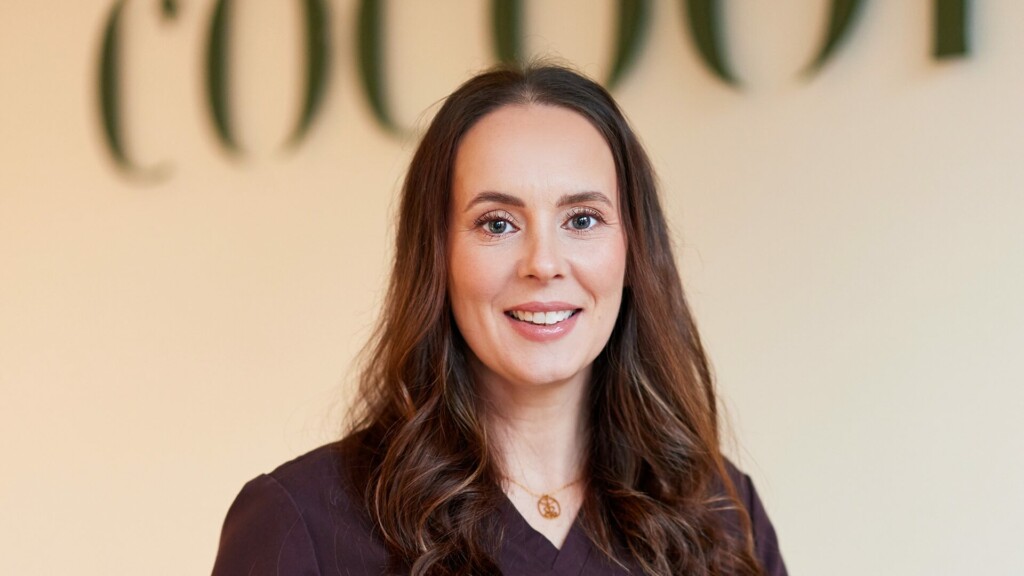
That realisation ultimately led me to leave corporate life and launch Cocoon in Harrogate in 2024. The business began as a pregnancy and women’s wellbeing clinic built around the belief that emotional and clinical care should never be separated. We created an environment designed to feel calm, compassionate and supportive, offering scans, fertility support, counselling and wellbeing services in a space where people did not feel rushed or dismissed.
Very quickly, however, demand extended beyond pregnancy and fertility. Increasing numbers of people were coming to us because they felt exhausted, hormonally unwell or worried that something did not feel right, while struggling to access timely answers around busy lives and growing NHS waiting lists. Around the same time, losing a close friend to breast cancer in their early 40s reinforced how important earlier answers and preventative healthcare can be. It strengthened my belief that people should not have to wait until they are seriously unwell before seeking clarity about their health.
That experience helped shape the opening of our second Harrogate clinic earlier this year and Cocoon’s expansion into a broader preventative healthcare and diagnostics model. Today, the business spans advanced blood analysis, diagnostic ultrasound, cardiovascular assessments, private GP support, menopause services and early cancer detection pathways, all designed to help people better understand their health earlier and with greater confidence.
One of the most important lessons I have learned while scaling a healthcare business is that purpose may begin the journey, but trust is what sustains it. Patients place enormous trust in the people caring for them, often during moments of fear and uncertainty.
That has become even more important as we have expanded into preventative healthcare and at-home diagnostics. Earlier this year, we launched Cocoon At Home, a clinician-led blood testing service bringing clinical-grade venous testing directly into people’s homes. While finger-prick kits have grown rapidly, small capillary samples can sometimes be affected by haemolysis, potentially impacting reliability. Our aim was to provide convenience without compromising on clinical quality.
Prioritise health
Modern life often makes it difficult for people to prioritise their health early enough, particularly when they are balancing demanding careers and family responsibilities. There is also a growing conversation among employers about the role preventative healthcare can play alongside traditional private medical insurance, not simply in reducing sickness absence, but in helping employees feel valued and worth investing in.
Too much of modern healthcare risks becoming transactional and emotionally detached, leaving people with test results or health data but very little clarity around what it actually means for them as human beings. Everything we have built at Cocoon has come from lived experience, whether that was losing Willow, navigating pregnancy after loss or watching somebody close to me face cancer far too young. Those experiences changed the direction of my life and shaped the kind of healthcare business I wanted to create, one built around earlier answers, clinical depth and genuinely compassionate care.