Add us as a preferred source
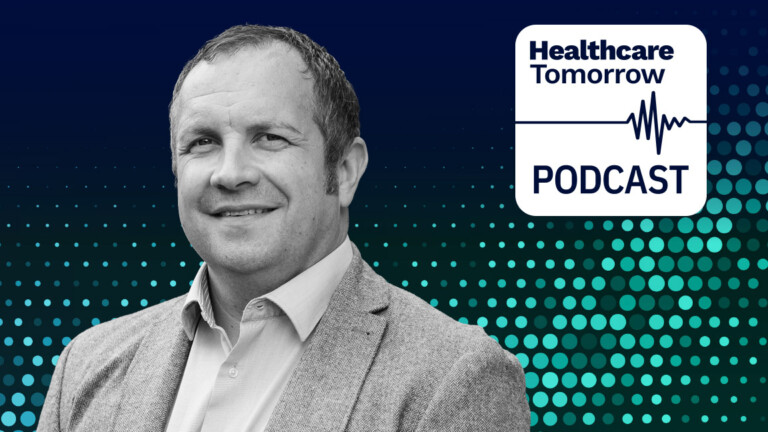
Daniel Tremain, Xeinadin’s lead partner for the healthcare sector and board member of the Association of Independent Specialist Medical Accountants (AISMA), says that neighbourhood health can’t work while GP practices are planning in the dark.
The ambition behind the government’s neighbourhood health model is difficult to argue with. Representing one of the biggest proposed changes to the way NHS services are delivered across the UK for many years, it aims to shift more care into community settings and encourages closer working between local healthcare providers. In doing so, patient access, satisfaction and improved clinical outcomes are expected, while reducing pressure on hospitals.
In theory, the framework promotes unprecedented local flexibility and a broader, preventative focus for community care, yet in practice, it holds severe structural, financial and workforce challenges that could impact the future of local care. Increasingly, attention is turning to how these ambitions will be delivered across the UK amid tight budgets, system disruption and missing implementation and financial details.
In speaking with local GPs, a recurring theme has emerged: national policy is advancing implementation. Practices want to engage, but they are being asked to redesign their futures while the fundamental blueprints are still being written.
From ambition to implementation
Outside the first 43 pilot neighbourhood health sites, the industry is still waiting for greater clarity on how the model will be implemented locally. Longer-term structures, funding arrangements and contractual frameworks are still evolving under national guidance. Yet, general practices can’t afford to wait for certainty. They must still decide whether to recruit additional staff, invest in expanding their premises, or commit to new technology – all without knowing exactly what the overarching model will ultimately require of them.
These are commercial decisions that will affect their future and, of course, the patients they serve. After all, these are independent businesses, responsible for managing day-to-day operations, staff liabilities, and complex estate properties. Decisions on recruitment and succession cannot simply be paused or reversed as policy changes. They depend on having the confidence that choices made today will remain viable in at least two or three years’ time.
And yet, that confidence is becoming increasingly difficult to find, as surgeries continue without clarity over how the model will ultimately be funded and delivered. This concern is compounded by the broader financial reality: national policy dictates that resources must be shifted into the community out of existing envelopes, meaning local teams are expected to take on expanded preventative roles under already strained budgets.
The operational realities
Most experienced GP partners have lived through numerous NHS restructures, with one partner telling me, “This isn’t my first NHS reorganisation”. The point is, most partners aren’t resistant to reform. They’ve adapted before, and they’ll adapt again. What’s more challenging this time is the lack of clarity surrounding implementation, paired with the fact that local frontline teams are currently stretched thin.
Another challenge is that true integration depends on organisations working together effectively. The proposed Integrated Neighbourhood Teams (INTs) will bring together professionals from across the NHS, local government and the voluntary sector, each operating under different governance, employment and regulatory frameworks. As well as this, in many areas, technology systems are also not yet fully interoperable, meaning clinicians can still face barriers when sharing patient information across organisations.
And these challenges have real consequences. For one, investment decisions are delayed because practices are understandably cautious about committing resources without certainty. Secondly, workforce planning becomes more difficult when teams cannot confidently predict future demand, manage distinct cross-sector working cultures, or understand how new responsibilities will be resourced. And lastly and most significantly, succession planning becomes more complicated during a period where many experienced GP partners are approaching retirement, and fewer younger GPs are opting for partnership due to the perceived risk of these unmapped structural reforms.

The cost of uncertainty
Surgeries are also spending valuable time trying to understand new funding arrangements and reimbursement mechanisms instead of focusing on implementing service improvements. As funding and contractual arrangements become more complex, many are increasingly relying on specialist advice to interpret policy changes, understand the financial implications, and make informed decisions. Time spent navigating uncertainty and bridging disconnected infrastructure is time taken away from planning improvements for patients.
Neighbourhood healthcare can succeed if clinics are able to invest in their future. The practices I work with want reform to succeed because they understand the pressures facing the wider NHS. They recognise the benefits of providing more integrated care closer to patients’ homes. But successful reform depends on recognising the realities of running a GP practice as well as the aspirations of healthcare policy.
If policymakers want surgeries to invest in workforce, premises and new models of care, they must provide clear implementation plans, stable funding arrangements and realistic timescales. Policy can set the destination, but it can’t deliver the journey. That responsibility could rest with GP’s. Giving them the clarity, stability and support to do that is what will determine whether neighbourhood healthcare succeeds or fails.
Alongside clearer implementation plans, practices should seek specialist financial and business advice as early as possible. Understanding the implications of policy changes, planning investment and workforce decisions, and developing a long-term strategy now will leave them in a far stronger position to adapt as the neighbourhood health model continues to evolve.