Add us as a preferred source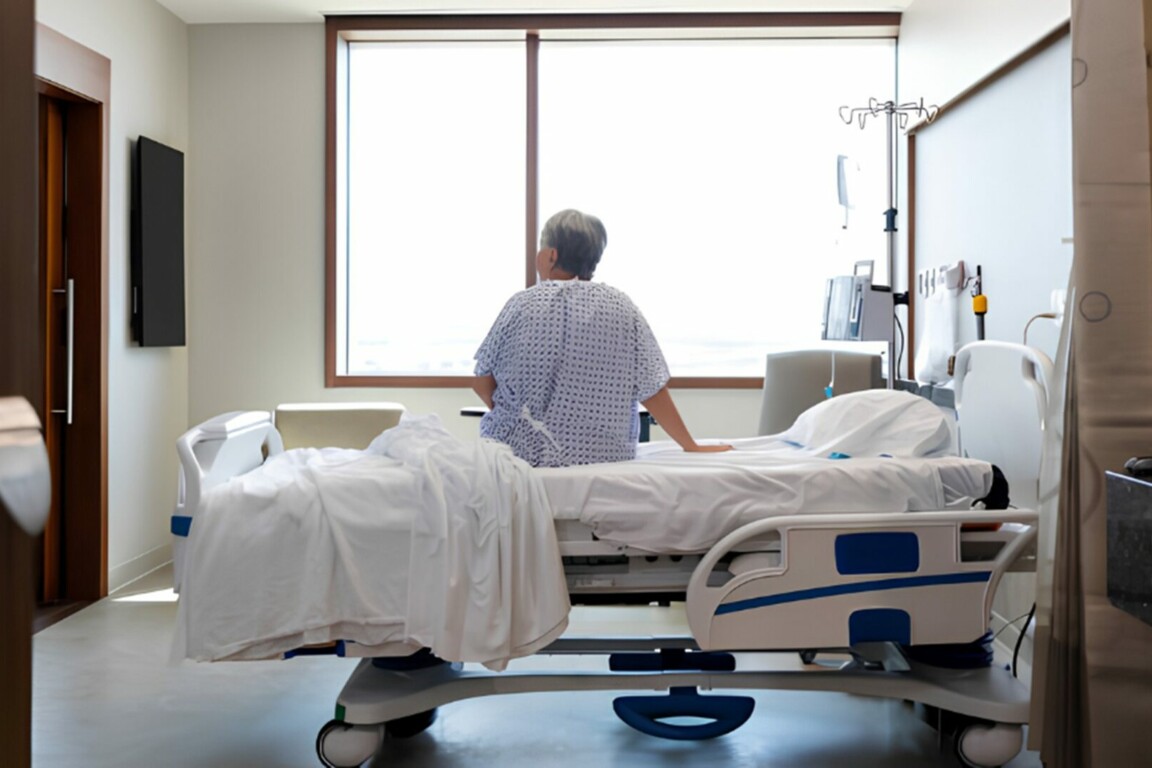
Madeline Sukoneck, marketing specialist at Envoy America, looks at the hidden capacity constraint in healthcare.
Hospitals are often described as being full because they do not have enough beds. But in many health systems, the more important question is not how many beds exist. It is how many are occupied by patients who no longer need acute hospital care.
This distinction matters.
A patient can be clinically ready for discharge without being operationally ready to leave. Clinical readiness occurs when a patient no longer requires acute medical treatment. Discharge readiness requires considerably more: post-acute placement, administrative coordination, medication reconciliation, family or caregiver arrangements, receiving-facility acceptance and transportation.
When these processes do not move together, medically ready patients remain in acute care beds. The result is hidden occupancy: capacity that exists on paper but is unavailable in practice.
Delayed discharge
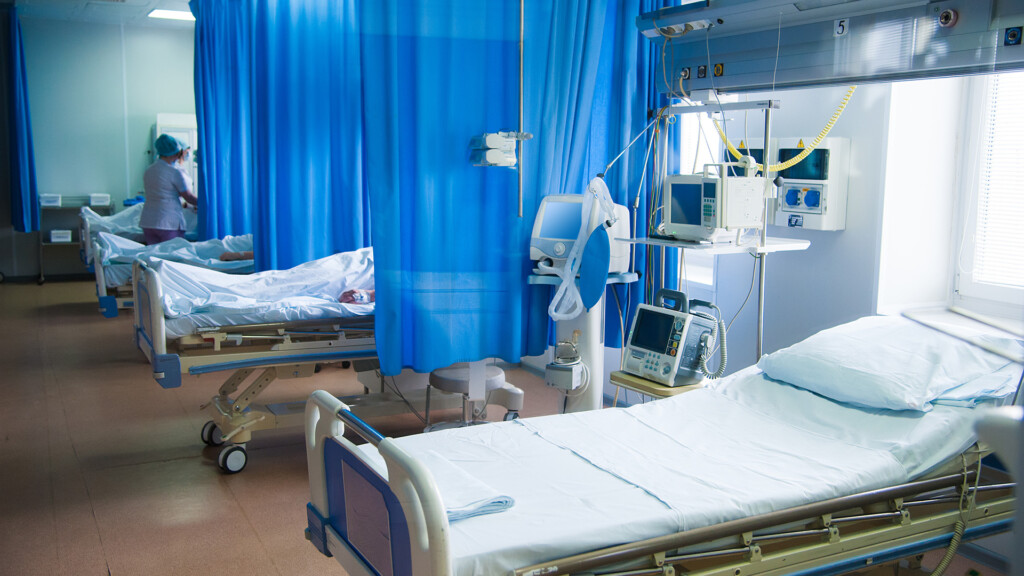
The consequences extend far beyond the individual patient. Delayed discharges can contribute to emergency department boarding, delayed inpatient admissions, postponed procedures and increasing pressure on already stretched hospital systems. At high occupancy levels, even small disruptions can have a disproportionate effect on patient flow.
This is not solely a US problem. The challenge has been documented across healthcare systems with very different structures and funding models. In the UK, delayed transfers of care have long been recognised as a significant contributor to pressure on hospital capacity. In Canada, patients designated as requiring an alternate level of care can remain in acute hospital beds while waiting for appropriate community, rehabilitation or long-term care arrangements. Similar challenges exist in Australia and the United States, where patients may remain hospitalised while awaiting post-acute placement or other downstream services.
The common thread is that the patient is ready to leave clinically, but the system is not ready to complete the transition.
Transportation is often treated as the final logistical task in this process. That framing is a mistake.
When transportation is arranged only after every other discharge activity has been completed, a small delay can quickly become a missed transfer window. A receiving facility may have a limited admission window. A vehicle may not be available when needed. A delay in one part of the process can create a chain reaction that leaves a hospital bed occupied and a post-acute bed unused.
Transportation should therefore be viewed as part of discharge coordination rather than as a separate service called after the discharge decision has already been made.
A Minnesota case study illustrates the potential impact of this approach. A coordinated discharge model aligned transportation planning with anticipated discharge timing and strengthened communication between acute hospitals and post-acute facilities. Between September last year and April this year, the model supported more than 1,250 patient transitions across a network of ten metropolitan hospitals. On-time transportation performance exceeded 98% across urban and rural communities, including transfers to destinations more than 100 miles from the Twin Cities. The model also reduced transportation costs by more than 50%, with wheelchair, stretcher and bariatric transports averaging approximately $65 (£48.80) per completed trip.
Operational function
The broader lesson is not that transportation alone solves hospital congestion. It does not. Patient flow is a complex system involving clinical decisions, staffing, placement, communication and capacity across multiple organisations.
The lesson is that discharge execution deserves to be managed as an operational function in its own right.
Health systems routinely measure bed occupancy, emergency department boarding and length of stay. They should also ask a more basic question: once a patient is clinically ready to leave, how long does it actually take to complete the transition?
That interval represents an opportunity.
Improving patient flow does not always require constructing new facilities or adding more acute-care beds. In some cases, the opportunity lies in better coordinating the processes that determine how quickly existing capacity becomes available.
Clinical readiness is a medical determination. Discharge readiness is a system outcome.
As healthcare demand continues to grow, the systems that perform best may not simply be those with the most physical capacity. They may be those that are best able to convert clinical readiness into completed transitions of care.