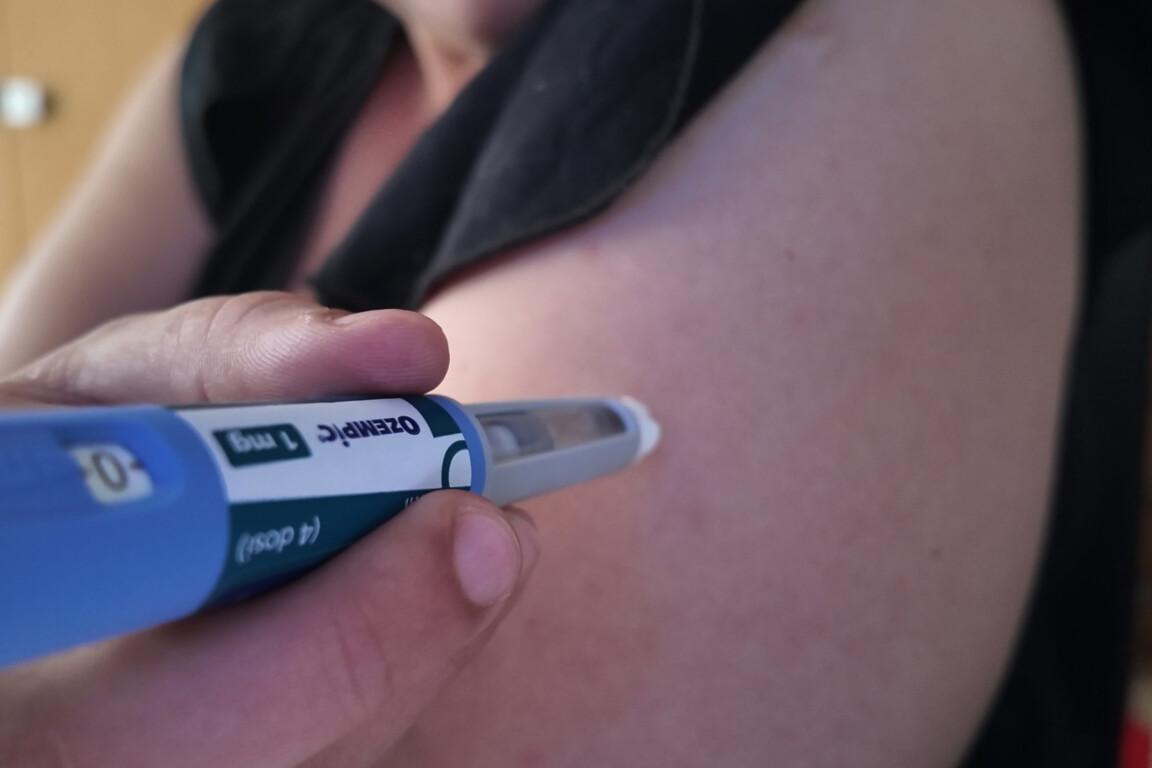
Hira Malik, superintendent pharmacist and co-founder at Oushk Pharmacy, wants to raise the bar for prescribing weight-loss injections online.
Prescription weight-loss injections, such as GLP-1 treatments, have changed the conversation around weight management. For the right patient, used for the right reason, they can be clinically significant when prescribed and supported appropriately. Some patients describe feeling better supported and more confident in managing their health when treatment is prescribed carefully and followed up appropriately.
That is precisely why safeguards matter. These are powerful prescription-only medicines, not cosmetic quick fixes. If we treat them like a shortcut, we turn something that should be a clinical intervention into an avoidable source of harm.
The uncomfortable truth is that demand is moving faster than good practice. Many people seeking weight-loss support are not chasing a fad; they are exhausted after countless attempts to change and have learned to brace themselves for judgment. Others arrive with expectations shaped by what they have seen online, like fast results and little to no mention of side effects or follow-up care. In that environment, a prescriber’s role is not simply to approve or decline, but to assess risk, support patients through difficult decisions and keep the focus on outcomes that last.
The front-line reality
Pharmacies should only prescribe when they have enough confidence that it is right for the person in front of them. In a clinic, that confidence is built through conversation, observation, and the kind of context that comes from being face-to-face. Online, the context must be earned and not replaced by speed or optimism.
From the front line, the cases that worry clinicians most are rarely the dramatic ones, but the plausible ones. On paper, the patient who is well prepared and keen can often have too much uncertainty underneath. Whether that’s an incomplete or dishonest health history, symptoms that are brushed aside or unrealistic and unhealthy goals, sometimes the red flag is not what someone says, but what they avoid saying.
This can be everything, from a reluctance to talk about past difficulties with food, discomfort with being weighed, or a desire to keep the entire journey private without involving usual healthcare support. None of this automatically means the medicine is inappropriate, but it does mean the prescriber needs to slow down and ask more difficult questions.

Trust is the business model
This is where online prescribing rises or falls, with the service either supporting professional judgment or nudging people towards a quick yes. If a model is built around speed, the prescriber is put under pressure to deliver a decision before they can form a defensible view. If it is built around care, the prescriber has permission to be cautious, and patients are supported through that caution rather than bounced out the door.
This means treating prescribing as a clinical decision first, supported by structured assessment, appropriate follow-up and the freedom for prescribers to pause or decline when information is incomplete.
Weight-loss injections are not a one-and-done prescription, but a treatment journey. People may experience side effects, struggle to stay on track, or find the pace of change difficult to manage without appropriate support, while others may need reassurance and guidance or a clear prompt to seek medical advice. But most of all, they need honesty upfront. The best outcomes tend to come when people understand what they are starting, what will be expected of them, and what support they will receive if things do not go smoothly.
This is not about making online care harder for the sake of it. Done well, prescribing online can widen access and reduce barriers, especially for people who find in-person appointments difficult to fit around work, caring responsibilities or mobility issues. The danger is inconsistency. In a fragmented market, the easiest route often becomes the most popular one, and that creates a race to the bottom. Where prescribing thresholds vary widely across providers, risk is raised for the whole sector. They raise the risk for the whole sector. The impact shows up later, in complaints, health scares, damaged trust and tighter scrutiny for everyone.
For healthcare leaders, the business implications are as clear as the clinical ones. A lax approach may deliver quick growth, but it also stores up liability. Unsafe prescribing does not remain a private matter. It becomes an operational disruption, a reputational risk, and an erosion of confidence in digital healthcare more broadly. The organisations that will still be standing in five years are not the ones that moved fastest in a gold rush. They are the ones who built trust early and protected it consistently.

Raising the bar without raising barriers
The sector doesn’t need broad statements of intent, but a shared baseline that protects patients wherever they go. In practice, that means clear expectations around assessment quality, the ability for prescribers to pause or decline when information is incomplete and a defined commitment to follow-up rather than transactional supply. Online prescribing can be a legitimate part of modern healthcare, but only if it behaves like healthcare in the moments that matter most.
If we get this right, the upside is significant and long-lasting. Patients who meet the criteria can receive treatment that is both safe and respectful, rather than rushed or transactional. Prescribers can practice with confidence instead of second-guessing every decision, providers can build reputations that actually hold up under scrutiny, and digital healthcare can earn trust on its own merits, not by leaning on the credibility of traditional systems.
This is the moment for health providers, industry leaders, and regulators to stop pretending the only options are over-restriction or reckless access. A clearly defined minimum standard that prioritises patient welfare overgrowth metrics or conversion rates is essential. If online prescribing is to remain sustainable, raising standards now is not optional. It is the cost of long-term credibility.