Add us as a preferred source
Bryan Mayou, founder of the Cadogan Clinic and consultant plastic surgeon, writes that the cosmetic sector needs stronger regulation, clearer standards and better protection for patients.
A year ago, the government promised action to tackle unsafe cosmetic procedures. The announcement was welcome. It recognised what those of us working in plastic surgery have been saying for years: the cosmetic sector needs stronger regulation, clearer standards and better protection for patients.
But here is the uncomfortable truth. A promise is not protection.
Patients considering cosmetic surgery still face a confusing landscape in which it can be difficult to understand exactly who is qualified to perform their operation, what specialist training they have received and how much experience they have with the procedure being offered.
That needs to change.
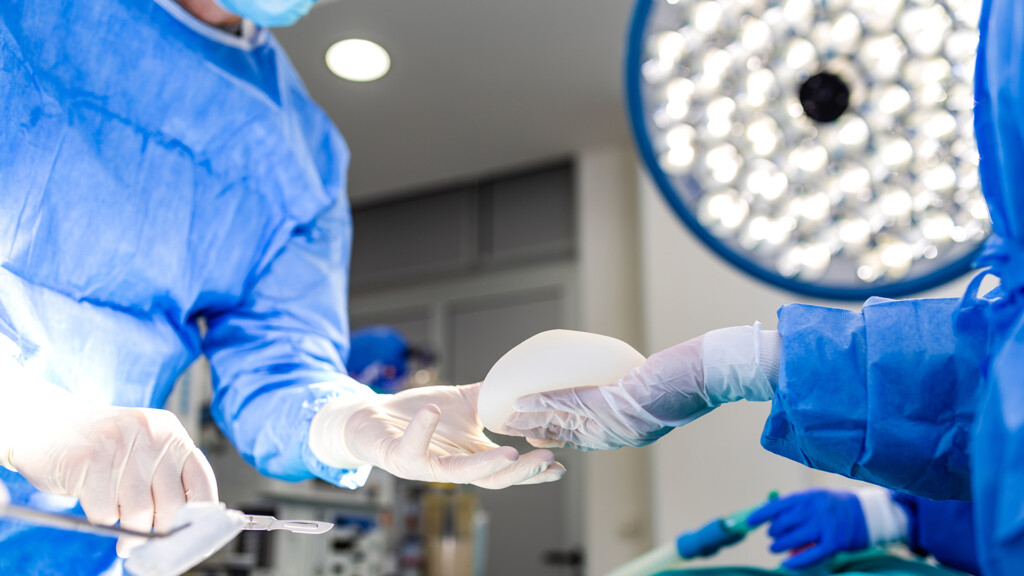
Cosmetic surgery is still surgery. Every operation carries risks. A facelift, breast augmentation, tummy tuck or liposuction is not simply an extension of the beauty industry. These are invasive surgical procedures involving anaesthesia, incisions, bleeding, infection, wound complications and other serious risks.
Patients quite reasonably assume that if someone is offering cosmetic surgery, they must be appropriately trained and experienced in the type of surgery they are undertaking.
That assumption cannot continue when it is not always the case.
We need greater transparency around qualifications and experience. Patients should be able to understand what speciality their surgeon trained in, what qualifications they hold, how experienced they are in the proposed procedure, and where they are authorised to practise.
Information they need
This is not about restricting patient choice. It is about giving patients the information they need to make an informed choice.
Specialist surgical training matters because surgery is about far more than learning how to perform a particular procedure. It is about understanding anatomy, assessing risk, making decisions when things do not go according to plan and knowing how to manage complications. Those skills are developed over years of training and clinical experience. They cannot simply be replicated through a short course or limited aesthetic training.
Appropriate surgical expertise is not confined to plastic surgery. ENT and oral and maxillofacial surgeons, for example, may have specialist training relevant to particular cosmetic procedures. What matters is that the surgeon has the appropriate training, qualifications, competence and experience for the procedure they undertake.
Another part of this conversation is often overlooked: what happens when surgery goes wrong?
I have spent my career in plastic surgery and seen how transformative a well-performed operation can be. But I have also spent years treating patients who have come to me after cosmetic surgery has gone wrong elsewhere.
Revision surgery can be considerably more complex than the original operation. Scar tissue can make tissues difficult to dissect, anatomy may have been altered, and previous surgery can limit the options available. Behind every so-called “botched job” is a real person who may have been left with physical problems, as well as a severe loss of confidence and trust.
These cases cannot always be fixed with a simple second operation. Correcting the result requires specialist knowledge, experience and careful judgement. Sometimes the first challenge is understanding what has been done in the first place.
This is why a surgeon should be judged not only on their ability to perform an operation, but on their ability to recognise and manage complications and, where necessary, undertake complex revision surgery.
A clinic’s reputation should mean something.
Patients should not have to choose a surgeon because they have the most followers on social media, the most persuasive advertising or the most impressive website. They should be able to make decisions based on transparent information about training, qualifications, experience and professional standing.
Step in the right direction
This is where regulation plays a crucial role.
The government’s proposed reforms are a step in the right direction, but regulation must not simply become another layer of administration or a box-ticking exercise. A licence alone does not make somebody a good surgeon.
We need meaningful standards that reflect the intricacy, complexity and risks of cosmetic surgery. We need clearer definitions of who is appropriately qualified to perform particular procedures, greater transparency for patients and proper accountability for providers.
We also need regulation that keeps pace with an industry that is constantly evolving. New procedures, techniques and technologies appear all the time. The rules must respond to emerging risks rather than waiting for the next scandal or serious patient harm.
Most importantly, patient safety must come before commercial opportunity.
We should not accept this as an inevitable consequence of cosmetic surgery.
The UK has some of the finest plastic surgeons in the world and a long tradition of excellent surgical training. We should set the standard for safe, responsible cosmetic surgery, not allow gaps in regulation to undermine public confidence.
One year after the government’s pledge, patients need more than promises.
They need action.
They need to know who is qualified to operate on them, what training that surgeon has undertaken, what experience they have and what safeguards are in place if something goes wrong.
Cosmetic surgery is surgery. It is time our regulation, transparency and professional standards properly reflected that.