Add us as a preferred source

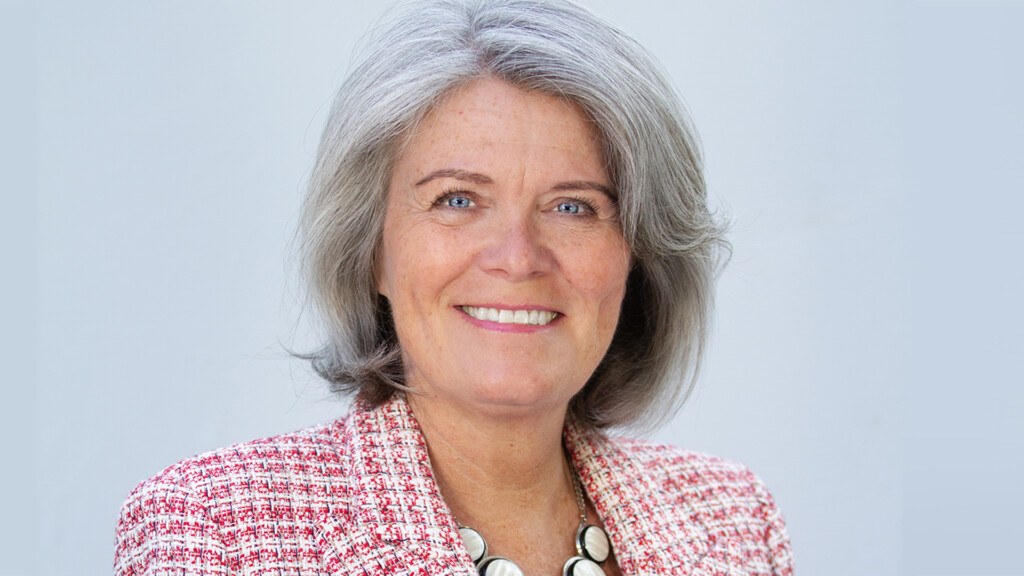
Debbie Harris, founder of Autumna and OpenScore, explains the purpose of OpenScore is to help families arrive at a visit better informed and more confident about what to ask.
A family choosing a care home needs to know whether someone will notice when their mother has stopped joining in, or recognise when their father is having a difficult morning. Those everyday moments tell us something important about care. Yet they can be difficult to see in the information available before a move.
That is part of what led me to create OpenScore. Through Autumna, I have seen how difficult it can be for families to compare services when they have little experience of care and a decision cannot wait. They need help understanding what a home is like now, and what its approach might mean for their relative.
The independently commissioned survey of 1,000 UK adults, for our recently published Social Care Inspection Gap report, found that 67% believed care homes were inspected at least once a year. A family arriving with that assumption may not realise how much a home can change between assessments. Therefore, making current information easier to find helps them ask more informed questions.
A starting point
OpenScore brings together 65 data points, including family reviews, safety checks and dining quality, into a score out of ten that updates daily. By drawing that information together, we give families a starting point for comparing homes and help providers demonstrate their standards between regulatory assessments.
At our recent roundtable with care providers, we asked what the OpenScore platform should include by 2030 and what families would need to be able to choose a care home confidently. Providers brought the conversation back to people: staff retention, training, management and the experiences of residents and relatives.
Staff retention, for example, can help families understand continuity. For someone moving into care, familiar faces matter. A team that knows a resident well may recognise a change in their mood or understand why a particular routine is reassuring. Retention figures become more useful when providers explain the period they cover and how they maintain continuity for residents when new or agency colleagues join them.
The same applies to training and management. Families may know little about qualifications or staffing arrangements, but they understand the importance of someone being equipped to support their relative’s needs. Providers can make that connection clearer by explaining how learning changes practice and how managers support their teams through difficult situations.
I was particularly interested in the discussion about team satisfaction. Understanding how supported staff feel could add another perspective on a home’s culture, alongside retention and resident feedback. For OpenScore, exploring these measures with providers helps us build a more rounded picture of the teams delivering care.
Some of the most valuable insights concerned experiences that resist a simple description. One provider described its approach through six senses: security, belonging, continuity, purpose, achievement and significance. These are powerful ambitions for care. They also raise a practical challenge for anyone, including us, trying to make quality easier to understand.
A full activities calendar tells a family what is available. An account of how a resident has been helped to continue something they love tells them more about the life their own loved one might lead. Providers can show belonging through residents’ experiences and explain how individual preferences shape everyday decisions. These examples give meaning to the information families see.
Resident and family feedback is particularly valuable here. It can show what people appreciate and how a service responds to their concerns. Explaining how a home listens to residents who find it harder to express their views adds depth to that picture. I want families to understand how the person receiving care shapes what happens each day.
Clarity is central
As OpenScore develops, clarity must remain central. Families should be able to understand the information they are using, while providers should understand what contributes to their score and how improvements in care are reflected. The roundtable reinforced the importance of fair comparisons and clear explanations. Those principles are essential to making information useful on both sides of the care decision.
Providers also highlighted the work involved in keeping information up to date across multiple platforms. As OpenScore develops, exploring further ways to use information homes already collect will help families access a more current picture of care, while reducing the time providers spend entering the same details in different places.
For me, the purpose of OpenScore is to help families arrive at a visit better informed and more confident about what to ask. Providers, in turn, should have more opportunity to show the work behind their care. Making everyday quality visible gives that conversation a stronger foundation.
The roundtable reminded me how much insight already exists within the sector. Our task is to make more of it accessible to the people choosing care, so they can understand the home and the people who will support their relative.