Add us as a preferred source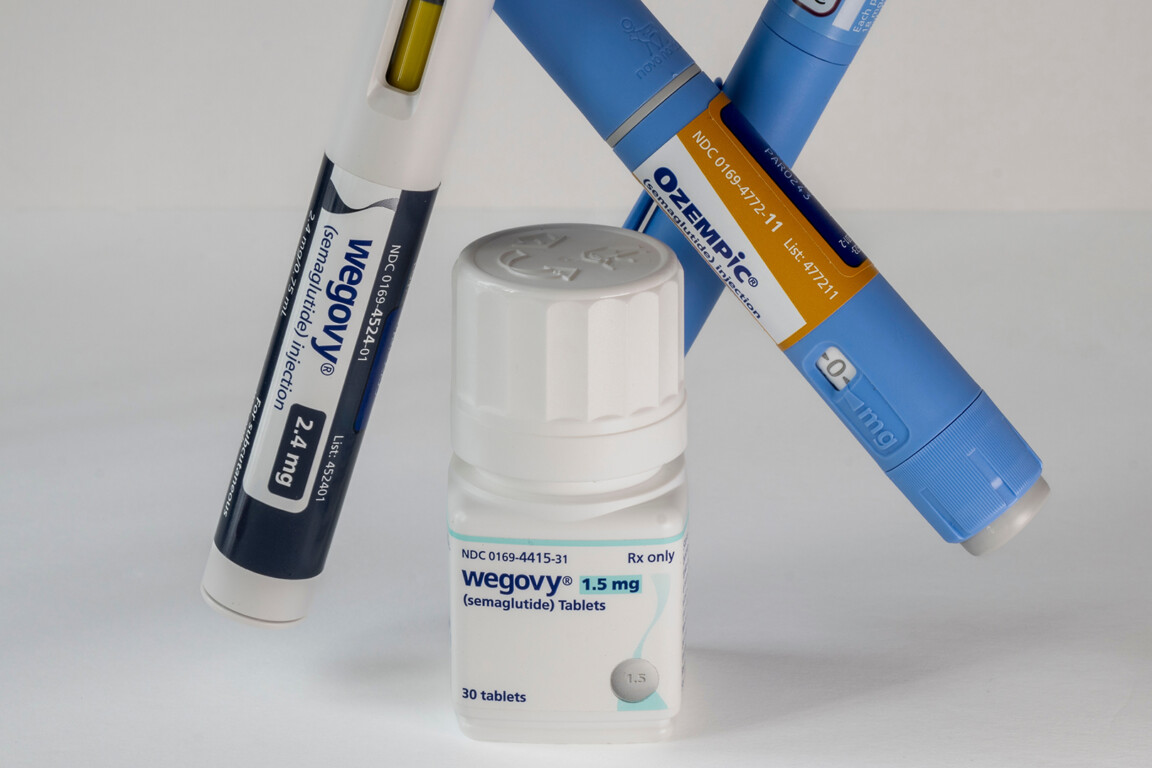
Andre da Silva, superintendent pharmacist at CheqUp, explains why convenience should not replace clinical judgement.
With the Wegovy pill now available in the UK, patients are increasingly asking how weight management medication works, where it fits into their lives, and whether they can use it properly over the long term.
As these discussions increase, many are also interested to know whether this means a step away from injectable treatments to a solution that is needle-free. That is an understandable query, particularly for patients who are anxious about injections or who travel frequently, but it is not the only question clinicians should be asking.
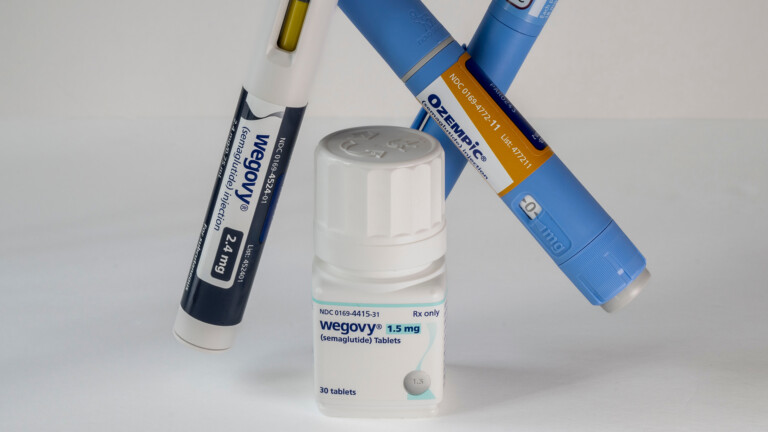
A tablet is not automatically a step down from an injection, and it is not automatically easier. In the case of the Wegovy pill, the active ingredient is semaglutide, the same molecule used in the Wegovy injection. It is the same medicine delivered differently, with different rules and a different absorption profile.
The pill vs injection debate cannot be reduced to “which is better?” rather, which route is right for this patient, and which one are they most likely to use correctly?
Weekly injections can become part of a routine
For patients using injectable GLP-1 treatments, the rhythm is usually weekly. There is dose escalation, a titration schedule, side effect monitoring and a repeatable pattern of administration. Once patients get used to it, treatment often becomes part of their normal week, like collecting a repeat prescription or filling a weekly pill organiser.
A daily semaglutide pill asks something different of the patient as it requires them to commit to a specific morning routine.
The Wegovy pill must be taken every morning on an empty stomach, with up to 120ml of water. Patients then need to wait 30 minutes before eating, drinking anything other than water, or taking other medicines, which can be difficult to juggle.
If someone works shifts, has unpredictable mornings, takes other medication on waking, or relies on an early coffee, this may be harder than expected. For clinicians, that conversation needs to happen before switching GLP-1 treatment.
One concern I hear from patients is whether moving from an injectable treatment to a tablet means going back to the beginning. In most cases, it does not.
A clinician should review the patient’s current dose, treatment history, tolerability and weight loss results before deciding the most appropriate starting point. There may still be an adjustment period because the medicine is absorbed differently, but this is not starting treatment from scratch.
Some patients may notice a temporary increase in appetite or the return of food noise. This does not automatically mean the medicine is failing or that a weight loss plateau is inevitable. In many cases, appetite control settles again as the oral dose reaches its effective level.
Side effects need clear counselling. The overall profile will be familiar to clinicians who work with GLP-1 medicines, but indigestion GLP-1 symptoms appear to be more noticeable with the tablet form. Dyspepsia, reflux-type symptoms and upper gastrointestinal discomfort should be discussed before a switch is made.
Practical nausea management and side effect mitigation can make a real difference. Smaller meals, avoiding very high-fat foods, peppermint or ginger tea, and antacids may help. Some patients may need a proton-pump inhibitor.
Patients also need to understand that oral and injectable GLP-1 treatments must not be used together. The Wegovy pill should not be taken alongside Wegovy injection, Mounjaro or another GLP-1 medicine. For someone looking for a weight loss jab alternative, this is a switch, not an add-on. Timing should be clinician-led, typically with a gap of around seven days between the last injection and the first tablet.
There are genuine advantages to oral treatment, unlike many injectable GLP-1 treatments, the Wegovy pill does not require refrigeration. Room temperature storage means no cold chain, no packing ice and fewer worries about hotel fridges. For patients who travel often, travel weight loss treatment planning can become simpler.
In CheqUp’s survey earlier this year of 1,500 respondents about their travel preferences, including 1,000 using weight loss medication and 500 considering, found that 41% of patients worry about keeping medication at the correct temperature while travelling, 32% say fridge access now influences where they stay, and 37% worry about travelling through airport security with injection pens and needles. These are practical barriers, but they are also adherence barriers. If patients are anxious about storage, security or travel logistics, clinicians need to factor that into treatment choice.
Medication timing matters too. The 30-minute post-dose window applies before other medicines, which is relevant for patients taking morning medication or drugs with a narrow therapeutic window. Patients using an oral contraceptive pill should also speak with their clinician before switching.

The future is choice, but not casual choice
The market is moving towards more oral options. Trial programmes such as OASIS 4, show where the field is heading. So much so that in our customer research, 83% of those surveyed responded positively to the idea of using an oral treatment as part of a clinically supported step-down plan. This means the appeal is not simply “a pill instead of an injection”; it is the possibility of a more flexible treatment pathway, provided the patient remains supported and clinically monitored.
Oral weight loss medication may suit patients who want needle-free weight loss, travel frequently, and can follow a strict empty stomach dosing routine. Injectable treatment may still be better for patients who prefer weekly administration, have complex morning medication needs, or are unlikely to manage fasting requirements consistently.
That is why we believe wraparound care is so important; the clinical conversation does not end once a prescription is issued. Patients need help choosing the right route, managing side effects, understanding dosing rules, recognising when expectations need resetting and knowing when to ask for advice.