Add us as a preferred source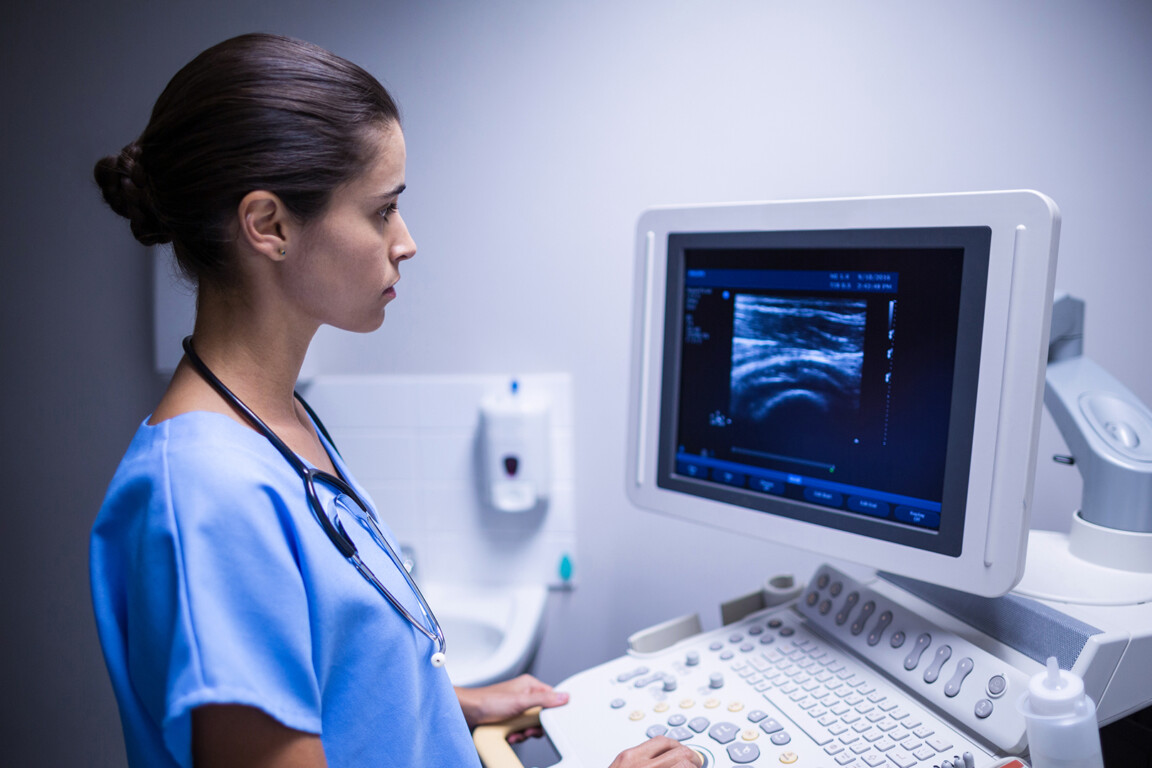
Elaine Connelly, account manager at Health Net Connections, argues that point-of-care ultrasound is an overlooked opportunity to take pressure off NHS radiology.
There is no shortage of debate about the pressure facing NHS diagnostic services. Backlogs remain stubborn, demand for imaging continues to grow, and radiology teams are being asked to absorb ever more work with limited time and resources. But if we are serious about tackling diagnostic delays, I don’t think the answer can simply be to keep adding capacity to the traditional imaging pathway. We also need to look at how we can make better use of the diagnostic capability we already have and, importantly, bring it closer to the patient. In many parts of the NHS, that is already happening through point-of-care ultrasound.
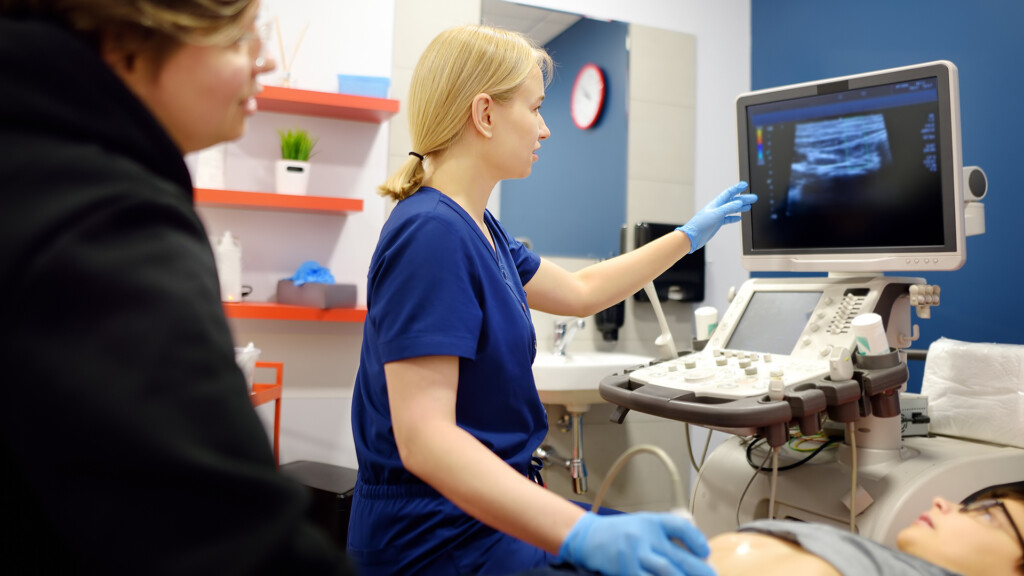
Point-of-care ultrasound (POCUS) is helping clinicians answer focused clinical questions at the bedside, in emergency departments, acute medicine, intensive care and increasingly in community settings. The technology is there. The clinical expertise is there, but what is missing is the infrastructure and governance to make POCUS part of the wider diagnostic pathway.
For me, that is a significant missed opportunity. If a clinician can use ultrasound at the point of care to answer a focused clinical question, they can often make an informed decision there and then, rather than automatically sending the patient into another part of an already pressured diagnostic pathway. That isn’t about replacing radiology either, it’s quite the opposite.
Faster decisions
Radiologists remain vital for complex imaging, definitive diagnosis and specialist interpretation, but not every clinical question requires the same pathway, and I think we should be more open to using the right diagnostic resource, in the right place, at the right time. Used appropriately, POCUS can help clinicians make faster decisions while allowing radiology teams to focus their expertise where it is needed most.
If a trained clinician can safely perform a focused examination at the bedside, that information could potentially help avoid an unnecessary referral, support an earlier treatment decision or determine whether a patient needs further imaging at all.
At a time when radiology departments are under enormous pressure, we should be asking whether we are making the best possible use of all the diagnostic capability already available across the NHS.
A clinician may carry out a scan at the bedside, use the findings to inform an immediate decision and move on to the next patient. Yet those images are not always archived within the organisation’s wider imaging infrastructure, and the examination may not be consistently reported or readily accessible to another clinician further along the patient’s journey. This creates what we have described as the ghost scan problem: the scan happened, it informed care, but the diagnostic information can effectively disappear from the wider clinical record.
It should also not be seen as a case of POCUS competing with radiology. I think that framing misses the real opportunity. Radiology teams are under enormous pressure because demand for imaging continues to grow, and expecting them to absorb every ultrasound examination is unlikely to be sustainable. Instead, we should be thinking about which examinations can safely and appropriately be carried out closer to the patient by suitably trained clinicians, while ensuring that the resulting images and information are captured within the organisation’s wider imaging ecosystem.
Done properly, that could give radiology teams more space to focus their specialist expertise where it is most needed, while enabling other clinical teams to answer appropriate, focused questions more quickly. It is not about lowering standards or taking work away from radiology; it is about making better use of the expertise and diagnostic capability that already exists across the NHS.

The importance of governance
That is why governance is so important. We can’t simply put more ultrasound devices into the hands of clinicians and expect POCUS to deliver at scale. It needs structure around it: appropriate training and competency frameworks, clear clinical governance, image archiving, reporting where required, quality assurance and integration with existing PACS and electronic medical record systems. We also need to be able to see what is happening across an organisation, such as how many examinations are being performed, where they are taking place, whether appropriate standards are being met and, crucially, whether they are making a measurable difference to patient pathways.
There are already established clinical frameworks, including FAMUS, FUSIC and RCEM ultrasound pathways, that provide an important foundation for training and governance. The digital infrastructure needs to support that clinical model so that POCUS becomes a connected part of the diagnostic service rather than something that sits outside it.
This is where there is a real opportunity for NHS leaders, since we have rightly invested in expanding diagnostic capacity, but when we talk about reducing delays, perhaps we should not always start by asking how we can add more.