Add us as a preferred source
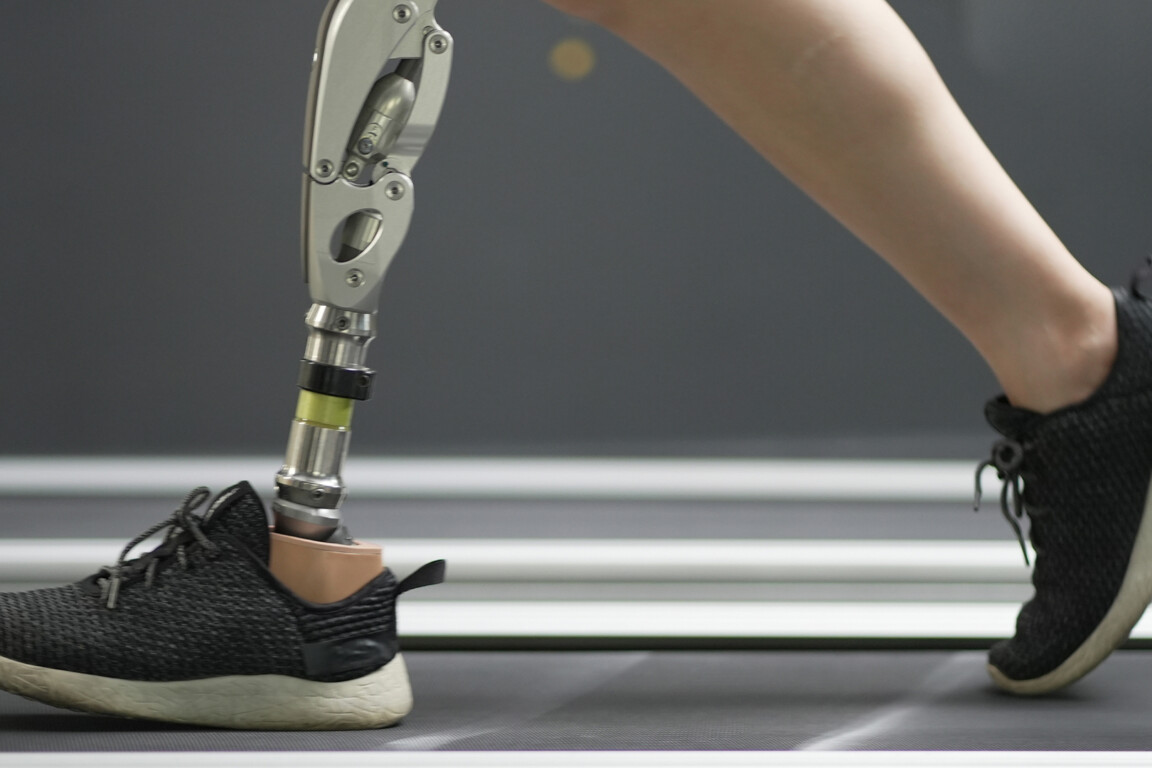
Steve Seccombe, chief clinical officer at Blatchford, explains how to create better first prosthetic appointment experiences for amputees.
For many people living with lower-limb loss, receiving a prosthesis is one of the most significant moments in their rehabilitation journey. Yet selecting a prosthesis is not simply a technical decision. It can be a deeply personal choice that affects mobility, independence, confidence, work, family life and long-term wellbeing.
But do people feel sufficiently prepared to make decisions about their first prosthesis? New research suggests that many do not, despite the efforts of prosthetic services.
Findings from a large-scale survey of amputee patients in the UK and US found that among the 259 UK amputee respondents, 62% went into their first prosthetic appointment unsure what to expect and 72% left feeling that they had little or no input into choosing their prosthesis.
This was not what they wanted. Although 84% said they would have liked greater involvement in decisions about their prosthesis, most felt they lacked the knowledge needed to take part fully. More than half (65%) reported receiving little or no encouragement before their appointment to think about what mattered most to them.
This potentially had a big impact on their outcomes. 87% experienced challenges after taking their first prosthesis home, and 30% later felt that their first prosthesis had been a poor choice for their needs.

Gaps in information
These findings reveal important gaps in information, preparation and shared decision-making. They highlight a clear opportunity to strengthen patient support and better guide individuals through an ever-changing clinical picture, which can heavily influence how they perceive their care and choices.
In response to the research, Blatchford assembled a coalition of amputee organisations, clinicians and expert partners – including Blesma, Steel Bones, LimbPower and the University of Colorado – and worked together with them to create My Prosthetic Priorities, a new online education hub.
It aims to help patients feel more informed, more involved and more empowered throughout the prosthetic decision-making process and contains a catalogue of helpful resources and support tools.
The best outcomes are achieved when patients are active participants in their rehabilitation, rather than passive recipients of care. While prosthetists bring clinical expertise, patients bring expertise about their own lives, goals, ambitions and challenges. Ensuring these perspectives come together is central to delivering truly personalised rehabilitation.
The hub addresses this challenge by encouraging patients to consider what matters most to them before clinical discussions begin.
It supports this by providing the first decision-making aid for lower limb amputees: a practical tool designed to help patients get the most out of their first appointment by identifying their priorities and lifestyle goals, understanding likely choices, and thinking about how they want to communicate with their prosthetist. The decision aid was developed by the University of Colorado and meets International Patient Decision Aid Standards.
Rather than focusing solely on technical features, this approach helps patients reflect on the activities they want to achieve, the environments they need to navigate and the lifestyle they wish to maintain. By helping people identify and communicate these priorities, discussions become more meaningful and more relevant to their individual circumstances.
The importance of preparation is illustrated by patient experiences which have been captured as part of the project. One patient described feeling overwhelmed during the first appointments, recalling that several healthcare professionals were present and that there was a great deal of information to absorb. Looking back, whilst he acknowledged that their presence was for his benefit, he felt that more information beforehand about the appointment process, the questions likely to be asked of him and the decisions that might arise would have helped him participate more effectively. He feels that the more information patients receive before the appointment to digest, the greater their ability to ask informed questions and make confident decisions.
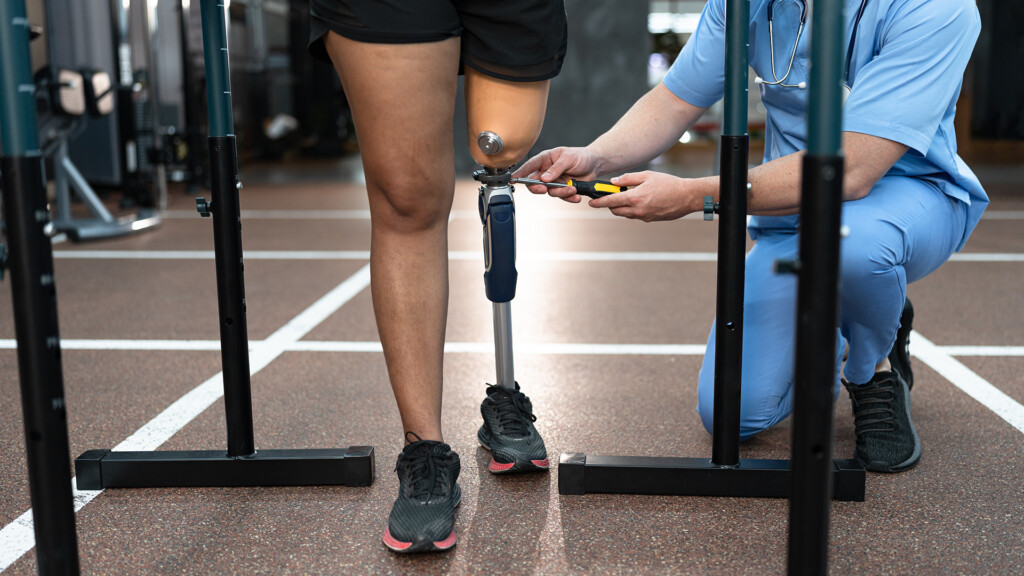
Clearer understanding
This insight aligns closely with the broader findings of the survey. When patients arrive at appointments with a clearer understanding of potential options and have already reflected on their own goals, they are better positioned to engage in genuine shared decision-making. That does not diminish the clinician’s role. Rather, it creates a partnership in which clinical expertise and patient preferences are considered together.
The principles underpinning the online hub are also consistent with modern prosthetic service specifications, which emphasise that prosthetic provision should take account of an individual’s lifestyle, rehabilitation goals, functional needs and personal circumstances. Prosthetic services are increasingly expected to place patients at the centre of care, supporting informed choices and ensuring that treatments reflect what matters most to each individual.
The value of the initiative extends beyond improving individual consultations. The survey findings provide real-world evidence about where patients feel the current pathway could be improved. They reveal opportunities to enhance educational materials, improve expectations before appointments, strengthen patient-clinician communication and support people after they receive their prosthesis. By listening to patient experiences, services can evolve in ways that respond to genuine needs rather than assumptions.
The journey following limb loss is unique for every individual. The right prosthesis is not necessarily the most advanced or the most complex; it is the one that best supports the person’s goals, lifestyle and future ambitions. The educational hub is designed to ensure that those goals are heard, understood and placed at the heart of every decision. We hope that this initiative will lead to better conversations, better experiences and better outcomes for amputee patients in the UK and around the world, while also providing clinicians with a trusted evidence-based education hub that they can signpost their patients to, for both of their benefit.