Add us as a preferred source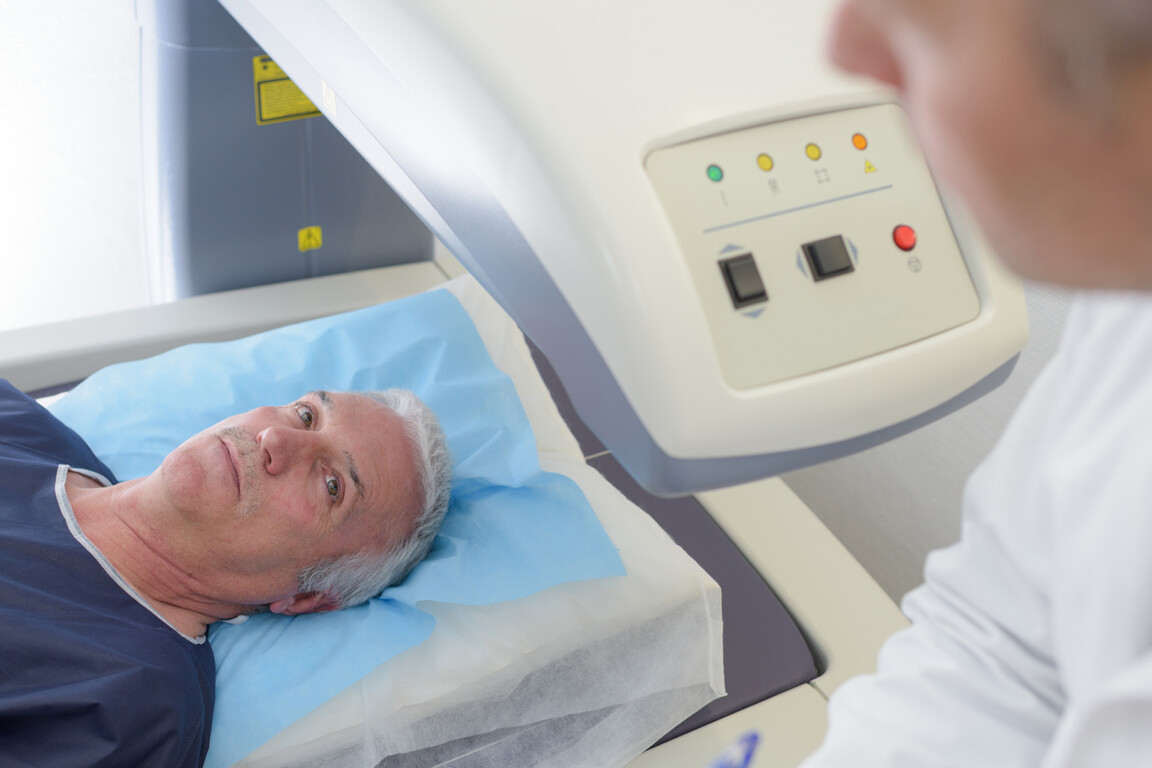
Mark Hitchman, managing director, Canon Medical Systems UK, looks at how MRI is advancing earlier prostate cancer diagnosis.
For prostate cancer, the most common cancer in men in the UK, earlier diagnosis is more than just a clinical ambition. It determines how well the health system can respond, treat, and support patients. Whilst survival rates have improved significantly over recent decades, for many, diagnosis remains too late when treatment becomes more invasive, costly, and disruptive to quality of life.
Fortunately, the conversation around earlier diagnosis is evolving. While, for now, screening remains limited to groups of men at particularly high genetic risk, efforts to better understand how prostate cancer can be detected earlier are gathering pace.
The launch of the TRANSFORM trial, the largest prostate cancer screening study in a generation, marks an important step forward. The programme is exploring the most effective approaches to screening, including the role MRI could play in detecting clinically significant disease sooner and more accurately. Crucially, it will help build the evidence needed to shape further decisions on broader prostate screening and earlier diagnosis.
The challenge now, however, is not simply building a case for the future but ensuring the NHS is ready to act on it. That means bringing together the capacity, infrastructure, and public awareness needed to support advances in earlier diagnosis.
The missing piece: From ambition to action
Despite growing awareness, prostate cancer diagnosis often relies on men recognising symptoms or speaking to their GP, creating a pathway that, by its nature, is reactive.
Even when men do come forward, the first step is traditionally a PSA blood test. While useful, PSA is not definitive. There are many reasons why levels of PSA may not be raised sufficiently to identify cancer. For example, false negatives can occur in early-stage or slow-growing cancers, and an MRI scan is a non-invasive way to obtain a detailed picture of the prostate gland to guide patient pathways and treatment decisions.
Earlier diagnosis will place new demands on diagnostic services. Emerging evidence and expert consensus highlight the potential of faster, more targeted MRI protocols to support population-level approaches, improving detection while reducing unnecessary intervention. These approaches are already informing trials such as TRANSFORM, reinforcing MRI’s role in future screening pathways.
Multiparametric MRI is now widely recognised as a central component of modern prostate cancer diagnosis. NICE guidance recommends MRI as the first-line investigation for people with suspected clinically localised prostate cancer, helping clinicians identify clinically significant disease while reducing unnecessary biopsies.
Delivering MRI-first pathways consistently across the NHS, however, remains constrained by capacity and cost. Currently, the UK operates with fewer MRI scanners per capita than many comparable European nations, while workforce shortages add further limitations to throughput and reporting capacity.
Investment should not focus only on the number of scanners, but on modern MRI technology that improves image quality, consistency, and efficiency. Systems that streamline workflows can improve speed and accessibility, helping more patients benefit from high-quality imaging earlier in their diagnostic journey whilst supporting clinicians.
Automation and structured reporting tools can also ensure standardised practice across sites. By reducing variability and supporting radiologists with clearer interpretation pathways, innovation can ease workforce pressure while maintaining high diagnostic standards.
If earlier diagnosis is an NHS priority, MRI provision must be treated as core diagnostic infrastructure and supported by sustained strategic investment. Without sufficient MRI access and the workforce to drive this, earlier referral risks creating new bottlenecks rather than delivering meaningful change.

From earlier diagnosis to better outcomes at scale
Earlier detection does more than improve survival rates. It changes the experience of care.
By creating an earlier entry point into the pathway, a wider range of treatment options becomes available, many of which are less invasive and better aligned to individual needs. Advances in imaging and interventional techniques are also helping to make care more precise and less disruptive. Minimally invasive procedures, such as prostate artery embolisation (PAE), can help manage symptoms and, in some cases, prepare patients for treatments such as radiotherapy.
Progress will depend on continued collaboration across government, the NHS, industry, and the voluntary sector. Together, we have an opportunity to strengthen the case for screening at scale, whilst ensuring that MRI capacity, workforce planning, and public awareness rise in parallel.
If we get this right, the impact will be clear. More men diagnosed earlier. Greater access to less invasive treatment. Reduced pressure on acute services and, most importantly, improved long-term survival and quality of life.