Add us as a preferred source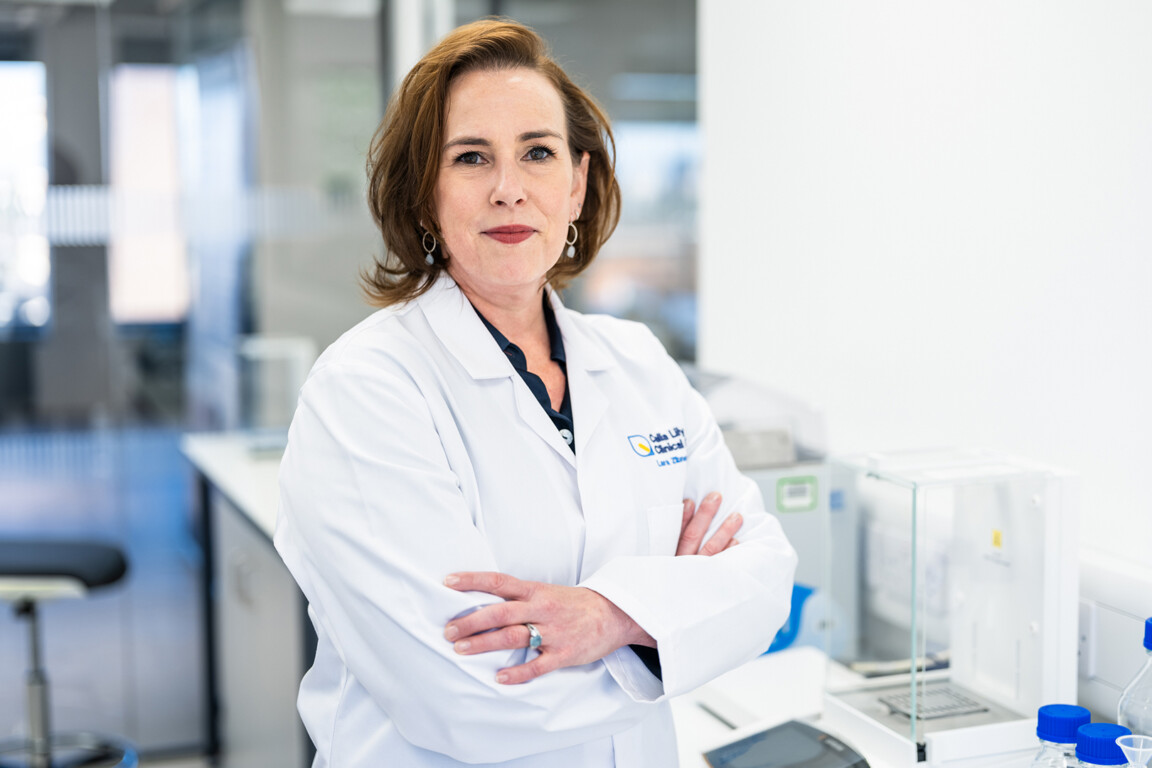
Lara Zibners, paediatrician, educator, author and founder, explains why she is LEAPing for joy at Wellcome Leap’s $50 million bet on rethinking antibiotics.
I spent a lot of my career in the paediatric emergency department prescribing antibiotics. You pretty quickly memorise the different formulations, concentrations, milligrams per kilogram body weight dosage and both frequency and duration. In paediatrics, we also have to know the flavour (bubblegum or banana?) and if we need to warn parents that their child’s poop will turn bright pink (yes, this is true).
But what we don’t do is question the way we are giving the same antibiotics for a variety of infections. Ear infection? Urinary tract infection? Pneumonia? Cellulitis? It doesn’t matter.
Like a scene from Alice in Wonderland. The sign says, “Drink me.”
Think about that. The infections are in different parts of the body. Yet the treatment has to travel the entirety of the gastrointestinal tract to get there. This seems highly inefficient. When I tell you that Calla Lily Clinical Care has been selected to join Wellcome Leap’s Focused Antibiotics programme, a $50 million (£37 million) initiative aimed squarely at erasing this inefficiency, I’m not just excited on behalf of my company. I’m excited because someone with real money and real scientific rigour has finally decided to fix this inherent design flaw in how we treat infections.
Here’s the flaw in plain language: an estimated 85-90% of bacterial infections are local. Confined to the bladder, the lung, the inner ear. Yet nearly all antibiotics are administered systemically. We flood the entire body in order to reach a small target. That’s like spraying the entire patient and her family with water while trying to irrigate a wound. You definitely impress upon that patient that her wound has been cleaned. But it does seem like overkill.
Gut resistome
Unfortunately, it’s the gut microbiome that takes the collateral damage with this approach. A single course of an oral antibiotic can wipe out a good chunk of the non-harmful gut bacteria, and that disruption exists long after the infection has been cleared. This allows antibiotic-resistant bacteria to flourish. In fact, the human gut microbiome has been referred to as the “gut resistome,” a Bennifer/Brangelina style reference to the gut microbiome and the resistant bacteria it churns out.
Nowhere does the price of antibiotic resistance fall more unevenly than on women. Due to our anatomy, urinary tract infections occur far more often in women and constitute around a quarter of all the bacterial infections we experience in a lifetime. The WHO estimates that women are roughly 27% more likely than men to be prescribed antibiotics. For those of you with recurrent UTIs, that is not an abstract statistic. It is years of repeated courses of antibiotics, repeated gut disruption, and repeated opportunities for resistant bacteria to emerge.
What’s the cost? Antimicrobial resistance (AMR) directly affects patients by limiting treatment options, raising the risk of complications and is associated with both higher morbidity and mortality. The healthcare system at large sees higher costs due to longer stays and demand for intensive care beds. Not to mention the more expensive second-line antibiotics and diagnostic testing involved. And society as a whole sees vulnerable populations at increased risk, lower productivity and drug-resistant infections across our food supplies. Where we are today, one in six infections is resistant to standard antibiotics. In 2021, resistant infections were linked to 1.14 million deaths. It is estimated that by 2050, this trend will claim more than 8 million lives every year.
The WHO is right when it calls AMR a major global health threat, so I’d encourage everyone to pay attention. Wellcome Leap’s programme is going beyond the traditional call for less misuse and overuse of antibiotics. Nor is it seeking out new antibiotics to treat resistant infections. Rather than chasing the next novel molecule, the funding is backing novel ways of delivering the antibiotics we already have. The call for proposals targeted three approaches: activating drugs only once they reach the infection site, re-engineering how drugs move through the body to limit gut exposure, and delivering antibiotics directly to where the infection is. Like DoorDash for your immune system. The programme’s own modelling suggests that this three-pronged approach could cut resistant infections globally by as much as 40% and prevent more than 100 million within a decade. The initial targets by location are three of the most commonly over-treated conditions in medicine: UTIs, lower respiratory infections and acute ear infections.
Direct delivery
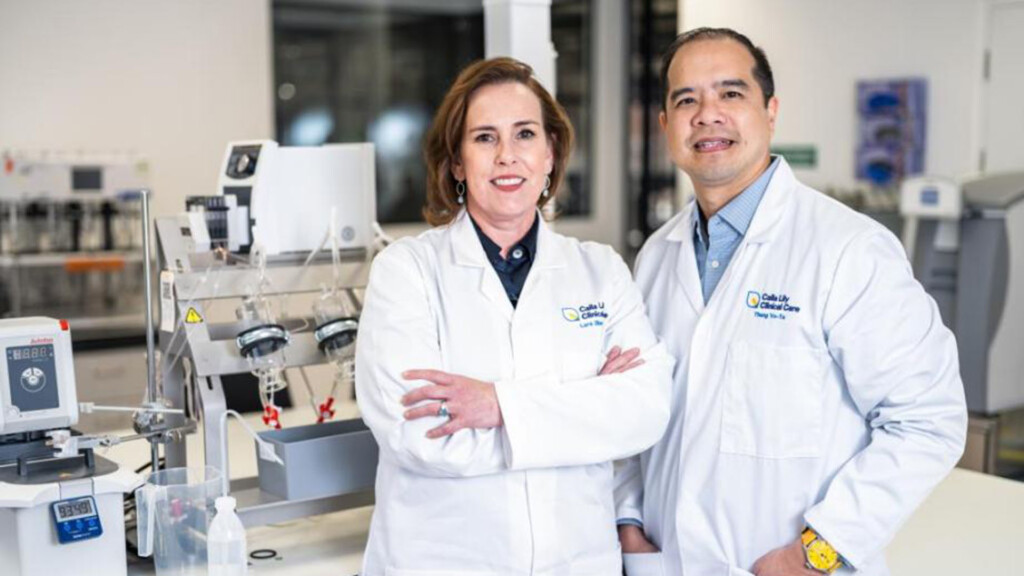
Calla Lily Clinical Care’s proposal sits in the third category: direct delivery. We are a platform technology for vaginal drug delivery. The vagina is actually at the root of the problem. It acts as a reservoir for the strain of E. coli that causes most UTIs in women. If we can deliver antibiotics locally to the urogenital tissue through the vaginal wall, we might be able to target infections of the bladder and urethra. Our proposal suggests that therapeutic drug levels can be maintained at the site of infection without disrupting the gut microbiome.
Okay, it’s early days. There is some evidence out there that this could work, but we’re still at the research stage, not launching into patients. But as my co-founder, Thang, said, when you solve for women, you solve for everybody. So we are going to give it a shot.
What excites me most is that this programme isn’t about a single product or bit of research. It’s a programme that has the funding, ambition and willingness to explore how we can use existing antibiotics in a way that spares the gut microbiome without losing efficacy of the treatment. Including one infection that disproportionately affects women. Not a new molecule. No fancy peptides or biologics. Just a reimagining of how we do what we’ve always done. But better.