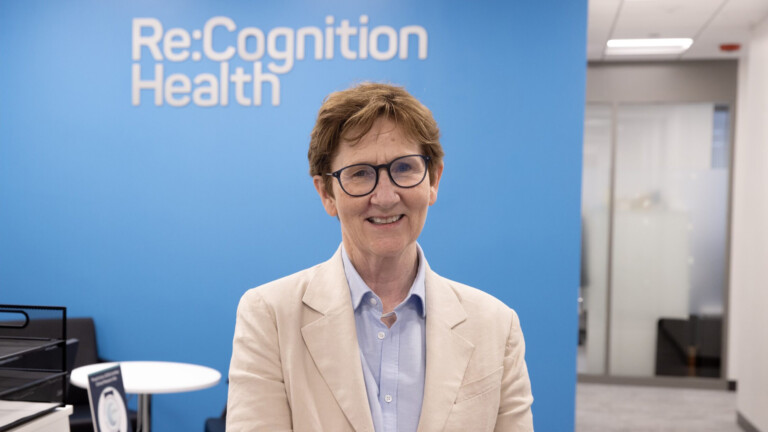
Alec Collie, head of medical at Wesleyan Financial Services, explains why spring brings no fresh start for doctors’ finances.
A month ago, the Spring Statement came and went without fanfare. No new announcements, no emergency measures, no unexpected twists.
For doctors scanning the headlines, it might have looked like good news – a moment of stability.
But April has arrived, and with it, the consequences of that silence. The changes announced in last year’s Autumn Budget are now in effect, and for doctors – particularly those in mid-career or considering partnership – the financial pressure just intensified significantly.
The trap has closed
The income tax threshold extended in the Autumn Budget is now active.
Those thresholds will remain frozen until 2031 – a full decade without adjustment for inflation or wage growth. For doctors, whose pay progression is predictable and earnings often cross critical thresholds early, the impact is immediate and brutal.
A doctor earning just over £50,000 will start to lose child benefit. For many hospital doctors, this happens around age 27. By £60,000, the benefit has disappeared entirely – over £2,000 a year gone for a family with two children.
But the real sting comes at £100,000.
Cross that threshold and your personal allowance starts to disappear, creating an effective 60% marginal tax rate on every pound between £100,000 and £125,140. You also lose access to tax-free childcare.
For doctors working additional sessions to cover rota gaps or taking on extra responsibility, this creates a flawed system where more work genuinely means less reward.
And these thresholds aren’t moving.
As pay rises with inflation or doctors progress through pay scales, more will be pulled into these bands through fiscal drag. The trap is tightening without any new legislation required.
For doctors approaching or crossing these thresholds now, proactive planning matters.
Maximising pension contributions, using salary sacrifice arrangements, or timing discretionary income can help manage exposure to the 60% trap.
For those with partners earning less, rebalancing household finances through pension contributions may help preserve child benefit.
These aren’t loopholes, they’re legitimate ways to structure your finances more efficiently.

Added complexities for GPs
The threshold freeze affects all doctors, but for GPs, the picture is particularly complex.
Partnership income structures mean many are affected by the 2% dividend tax rise that took effect this month. For those drawing income through a mix of salary and dividends, the calculation just became even more complicated.
Meanwhile, practices are adapting to new contract arrangements that took effect this month – and the uncertainty is taking its toll.
Our recent research into GP views on the new contract and NHS reforms found that 37% of GPs say the contract will make them consider early retirement within the next year. Among those aged 45-54, that figure rises to 45%. The concern cuts across all roles: partners, salaried GPs and locums are equally worried.
The contract itself brings immediate pressures, but it’s the broader NHS 10 Year Health Plan reforms where uncertainty still looms.
Talk of neighbourhood health centres and technology investment lacks concrete detail on implementation, timelines, or funding. What GPs do know is worrying, with 70% believing the reforms will intensify workload pressures, while 61% are concerned about increased financial risk and liability for practices. Meanwhile, costs continue to rise, putting pressure on partner drawings, while the tax system simultaneously takes a bigger bite.
For doctors considering partnership, this creates genuine uncertainty.
The financial rewards that once made partnership attractive are being eroded from multiple directions. The question many are asking is simply, is it worth it’?
This is where specialist planning becomes essential.
Reviewing your salary-dividend split in light of the new rates, considering employer pension contributions as a more tax-efficient extraction method, and investing retained profits within the company rather than drawing them immediately can all help manage both current and future tax exposure.
For those holding profits longer-term, commercial investments may help grow company value, though these need careful structuring to avoid increasing capital gains tax liabilities at exit.
The calculations are complex, but the potential savings are significant.

Time to act
One month into these changes, the impact is already visible. When taking on an extra shift means facing a 60% marginal rate and losing childcare support, doctors make different choices. Some reduce hours. Others turn down leadership roles. A few leave the NHS entirely.
And there’s more to come. Next year, Cash ISA limits will be reduced, and pensions enter the inheritance tax net, adding another layer of complexity.
The Spring Statement’s silence was clear – relief isn’t coming. No adjustment for inflation. No recognition of the specific pressures facing doctors who lose benefits early, hit high marginal rates young, and navigate complex income structures.
So doctors need to understand exactly where they sit relative to these thresholds.
Knowing whether additional work pushes you into the 60% trap or costs childcare support changes how you think about rotas and opportunities. For those with private work through limited companies, reviewing your salary and dividend split is now essential. For GPs considering partnership, understanding how practice income, tax thresholds and contract changes interact is no longer optional.
Tax-efficient planning is now a necessity when working harder can genuinely mean keeping less. Given the complexity of how these changes interact, specialist advice is essential for protecting what you’ve earned effectively.
One month on from the Spring Statement’s silence, the question remains what doctors can do in response.