Add us as a preferred source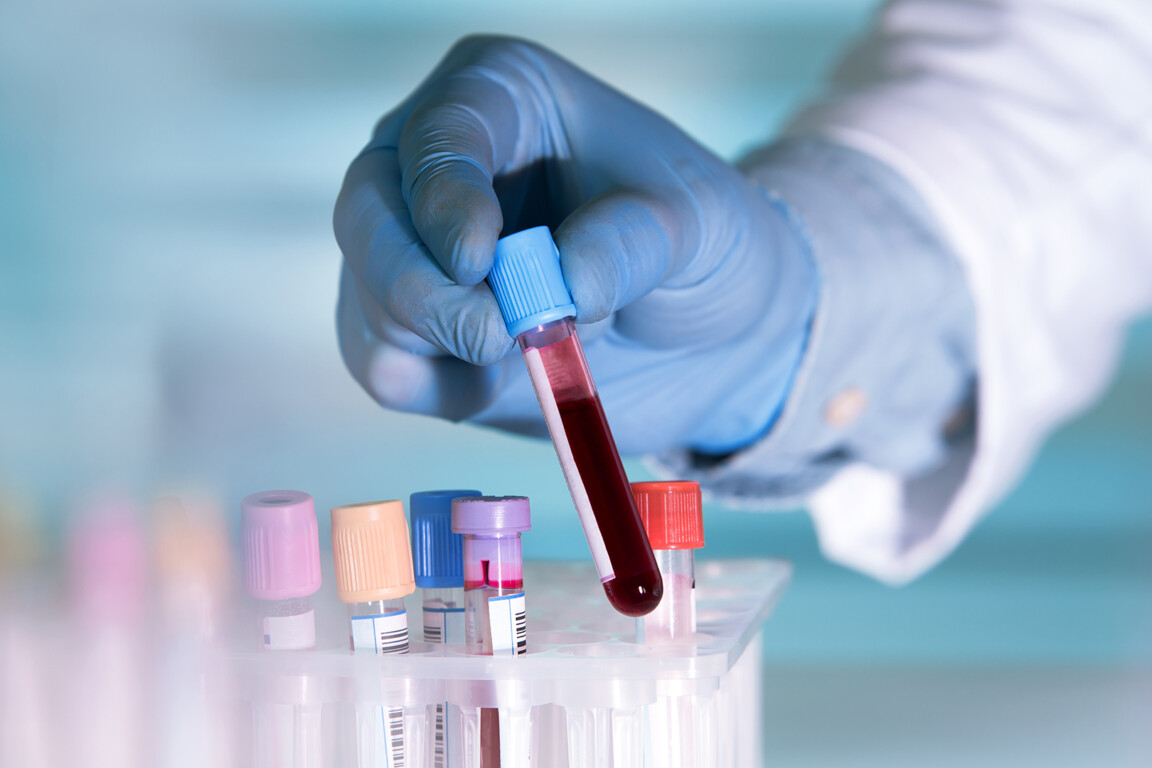
Kevin Moore, chief medical officer and co-founder at Salutare, explains how a process failure hiding in plain sight is harming NHS patients.
Every blood test begins with a needle and ends with a result that helps a clinician make a decision. Between those two moments lies a process so routine it has become invisible and yet so error-prone it causes measurable harm to patients across the NHS. The problem is not buried in some obscure corner of medicine but hiding in plain sight, in the phlebotomy trolley, the barcode printer at the nursing station, and on the unlabelled tube rattling around in a specimen bag on its way across town.
These errors have resisted resolution despite numerous interventions and the fact that the diagnostic laboratory is one of the most scrutinised environments in modern healthcare. The focus of attention is misdirected. The uncomfortable truth is that most diagnostic errors occur long before samples even reach the analyser. Research by Plebani established that pre-analytical mistakes occurring before a sample is tested account for up to 70% of all errors in laboratory diagnostics, arising at the stages of patient preparation, sample collection, transport, and processing. The lab is being blamed for failures it did not cause.
Extraordinary burden of harm
In England, pathology laboratories carry out over a billion tests per year, roughly 20 per person. Even a small error rate at the pre-analytical stage, applied to that volume, produces an extraordinary burden of harm.
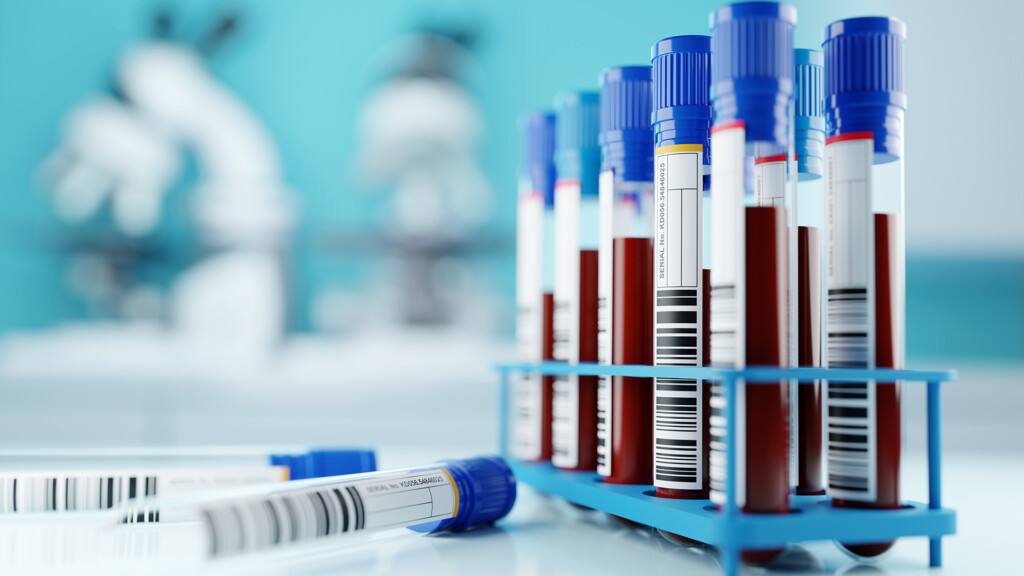
For example, poorly applied or illegible barcodes mean that between 12% and 15% of all tubes labelled with a barcode must be pulled from the analyser and manually re-labelled before they can be processed, introducing delay and, far more worryingly, fresh opportunity for error.
In some Emergency Departments, haemolysis rates reach between 17% and 25%; for inpatients, the figure runs at between 4.5% and 10%. Across the NHS as a whole, more than 50 million blood tubes are re-labelled in laboratories every year. Many large labs are handling 10,000 to 15,000 re-labelling events every single day.
Those figures would be alarming enough even if re-labelling were merely a nuisance, but in reality, this manual intervention is an opportunity to introduce more human error. Accidental assignation of the wrong patient’s identity to a sample is relatively infrequent, but an error rate of 0.5-1% in time-pressured environments such as hospital wards and emergency rooms creates a significant risk to the many patients bled on a daily basis.
In hospitals where phlebotomists print labels at a central nursing desk and then attempt to match them to patients on a ward round, misidentification runs at around 0.5-1% of the time. For a teaching hospital bleeding 300 patients daily, that translates to approximately two incorrect results every day, or around 800 per year. If just 5% of those involve critical values, roughly 40 patients a year may be directly harmed by receiving the wrong treatment, or no treatment at all, because their results were attributed to someone else.
The harm extends beyond misidentification. Blood is a biologically perishable substance with a narrow four-hour processing window. Failure to analyse or centrifuge samples promptly causes potassium to leak from red blood cells, artificially inflating the measured level of potassium and producing pseudo-hyperkalaemia or, worse still, masking genuine hypokalaemia, a more common and equally dangerous condition.
The uncomfortable irony at the centre of this crisis is the extraordinary investment the NHS has made in the analytical phase. Modern laboratory analysers achieve error rates as low as 0.0001%. They process thousands of samples per hour with near-perfect reproducibility and represent some of the most expensive and sophisticated equipment in any hospital. However, their precision counts for absolutely nothing when the tube that enters the analyser contains the wrong patient’s blood or has been sitting in a bag for five hours.

Whole-journey view
The Getting It Right First Time (GIRFT) programme, the NHS’s flagship clinical improvement initiative, has recognised this. Its national pathology report mandates a whole-journey view of diagnostics, from the moment a clinician orders a test to the moment a result reaches them, and has introduced a quality framework that explicitly extends to the pre-analytical and post-analytical stages.
Hospitals within the North Central London Integrated Care Board have overhauled their approach to blood testing through digital integration at the point of care: electronic request forms, bedside label printing, and full end-to-end tracking from the moment a phlebotomist picks up a tube to the moment it is logged as arrived in the laboratory. The result eliminates the central-printer problem entirely. Labels are generated for the right patient, at the right time, in the right place, and this means patients can be bled in community settings, in pharmacies and closer to home without the risk of arriving without a paper form or with a label printed hours earlier for someone else. The re-labelling problem, which absorbs tens of thousands of staff hours across NHS labs every year, simply does not arise.
The path to diagnostic safety does not run through ever more sophisticated analysers but through the phlebotomist’s trolley, the bedside label printer, and the digital thread that should connect every step of the process from ordering to result. Until that thread is in place, laboratories will continue to be held responsible for errors that were made long before any sample crossed their threshold, and patients will continue to pay the price.