Add us as a preferred source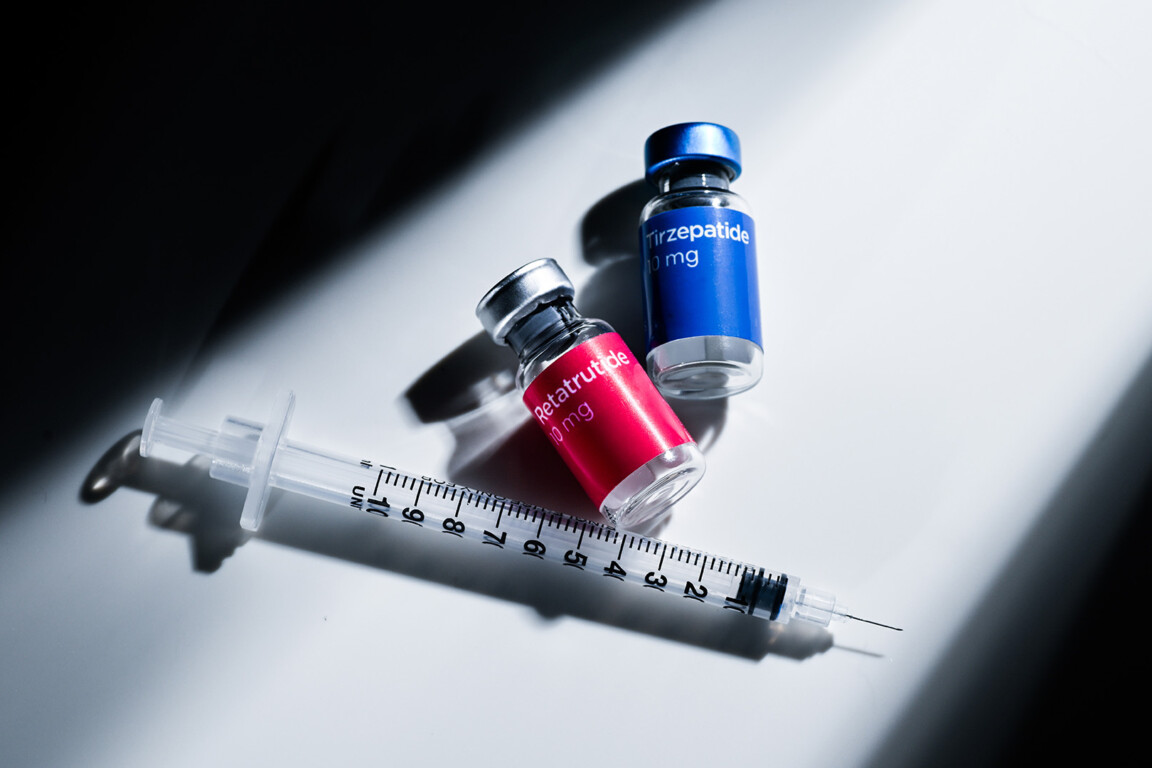
Danielle Brightman, clinical director of Numan, argues that a poorly regulated peptide market will set back progress in obesity medication by years and put people in danger.
Peptides have swept the nation as the latest wellness trend, dominating conversations on social media and at dinner parties across the country. As interest in the new drugs has surged, so too have Google searches for “what are peptides” – these are up some 60%. The answer to this question is, at its core, very simple: a peptide is a short chain of amino acids, which are themselves the building blocks of proteins. Not all peptides need to be taken, some are naturally occurring in the body, such as insulin.
The term has, however, greatly evolved beyond this simple and easy-to-digest scientific definition. Today, peptide is often used as a catch-all marketing phrase to describe a whole host of injectable products.
Some of these products are very well recognised, chiefly the weight loss medications which mimic natural hormones with synthetic peptides such as semaglutide (found in Wegovy) and tirzepatide (found in Mounjaro). These medicines are extensively used in the UK and underwent rigorous testing before being released to the public. Now they sit under the same label as a new wave of untested, potentially unsafe products.
Bad actors push these new products online with big promises: anti-ageing, muscle growth, faster recovery from injury.
The dangers of conflation
The conflation of these products is of deep concern. Blurring the line between clinically approved treatments and pseudoscience-driven aesthetic medicines risks creating real confusion for patients and throwing fuel on the black-market fire. The current narrative on these new peptides is being predominantly shaped by influencers and social media supplement sellers, whose main motivation is often profit over any form of patient safety. The dramatic and frequently disproven claims being made about peptides online by such figures are already eroding public trust in legitimate similar medications, potentially putting people off pursuing the medical help they need.
The conversation urgently needs to move off social media and back into the wheelhouse of medical professionals who can clearly distinguish between real treatments and unproven gimmicks.
The most pressing concern is risk to patients.
Numan has observed online that these unregulated injections are being peddled by individuals with no medical training whatsoever, including beauticians, personal trainers, and even hairdressers.
These products are often of unknown origin and composition, and yet such is the hype surrounding peptides that people are willing to take them nonetheless.
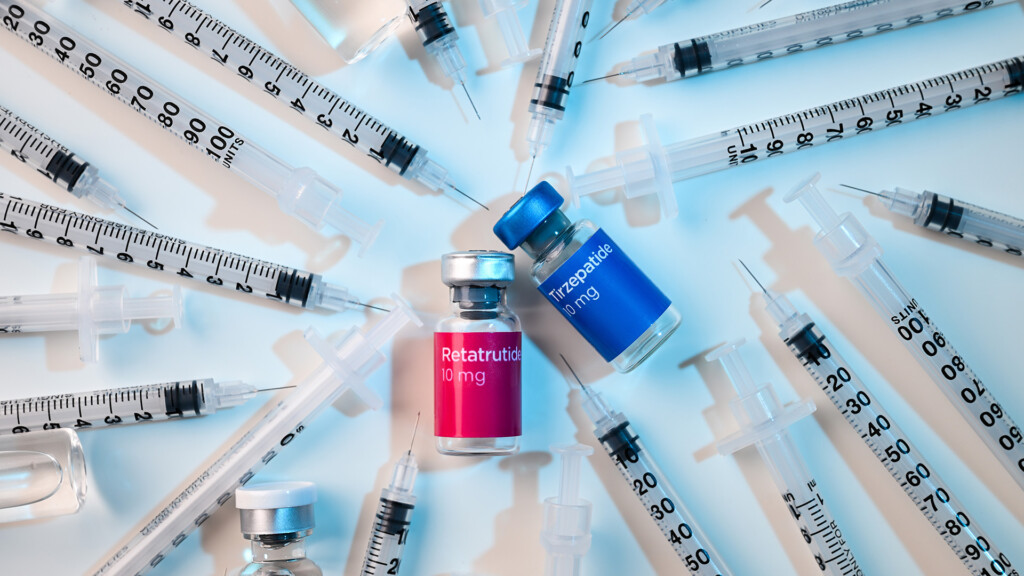
An especially worrying example is Retatrutide, commonly referred to as ‘reta’ online. This is an as-yet-unapproved weight-loss injection which, due to its high potency, has been generating large amounts of excitement. Despite the fact that it’s not yet licensed in the UK, the drug is circulating widely on social media, often acquired from overseas manufacturers with a lack of quality assurance. Consumers can be duped into believing they are buying real treatments when they are injecting unknown substances which haven’t been tested for efficacy, safety, or purity. Alarmingly, one testing lab reports that around a third of these grey market peptides are mislabelled, meaning that no one really knows what they are selling or ingesting.
The key message here is simple: people are at real risk of serious harm. Rebranding black market drugs as peptides doesn’t make them safer. Quite the contrary, by increasing their appeal and apparent legitimacy, more people will be drawn to them and subsequently harmed.
Regulatory concerns
On top of these safety risks, there are further implications in terms of regulation and policy. The rise of peptides has blurred the boundaries between prescription and cosmetic treatments. On social media, peptides for weight loss are marketed alongside tanning agents, muscle-enhancing supplements, and plastic surgery as a quick fix, reinforcing the misconception that they are lifestyle products instead of serious medical interventions.
Those in power are already taking notice. The Health Select Committee has expressed its concern that legitimate obesity medications could soon be viewed as cosmetic or elective treatments sought out by individuals who don’t meet the clinical criteria for a prescription. When these people find themselves unable to access these medications through the regulated channels, there’s a risk that they will turn to the expanding black market.
If this misconception continues to grow, regulators may feel the need to introduce stricter controls on prescribing and advertising, potentially further misaligning obesity treatments with aesthetic treatments. Such measures would have unintended consequences, undermining the progress being made by responsible providers who are working hard to deliver safe, evidence-based programmes. This restriction of access may ultimately drive more people to unsafe alternatives.
There’s also the broader risk of undermining trust in obesity treatment as a whole. When adverse events inevitably occur from grey and black market products, the distinction between legal and illegal suppliers is often lost in media discourse. Negative headlines rarely make the distinction between regulated and unregulated treatment, which reinforces scepticism about weight loss medications more widely.
This is of particular concern at a time when genuinely effective and life-changing treatments are becoming available. Clinically approved weight loss injections represent a significant breakthrough in how we address obesity, offering patients a powerful tool to improve their health outcomes and extend their lifespan. Misinformation, however, spreads confusion and could slow the uptake of these treatments, preventing patients from accessing care, which can improve their lives.

Protecting patients and trust
The dangers are abundantly clear: a poorly regulated peptide market awash with misinformation will set back progress in obesity medication by years and put people in danger. It’s very hard to rebuild trust once lost.
To address this, the conversation needs to shift off social media and into the hands of medical professionals, regulators, and responsible providers. Patients deserve clear, accurate information so they can make informed health decisions.
Ultimately, the priorities remain the same: we must ensure that patients who need obesity management are directed to safe, reliable, and regulated sources who can support them in achieving their desired health outcomes. Peptides, in their legitimate medical form, have enormous potential. However, without proper education and oversight, they carry tremendous danger. Black market activities have a real risk of undermining one of the most important breakthroughs in recent decades of medicine.
If something isn’t urgently done about the growing peptides discussion, the negative consequences will be significant. Real harm to patients, lost trust, and missed opportunities will dominate the conversation about how we tackled one of the most pressing public health issues of our time.