Add us as a preferred source
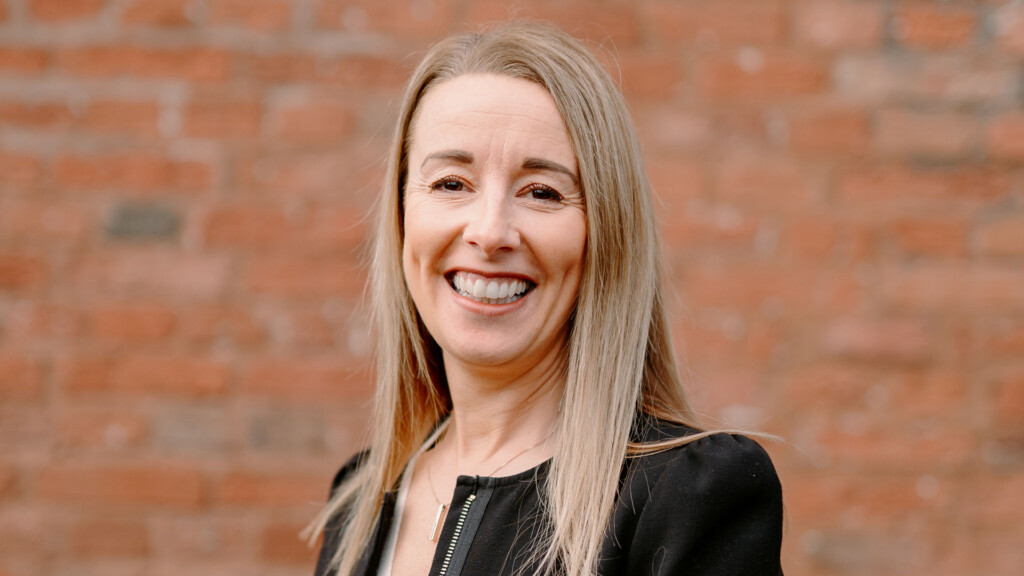
Clare Vale, managing director of Sign Solutions, says the NHS must better use technology to overcome the shortage of trained interpreters available to help deaf people.
Few incidents could more powerfully underline the challenges faced by British Sign Language (BSL) users in the UK than a hearing teenager being forced to tell his deaf mother that her father might die.
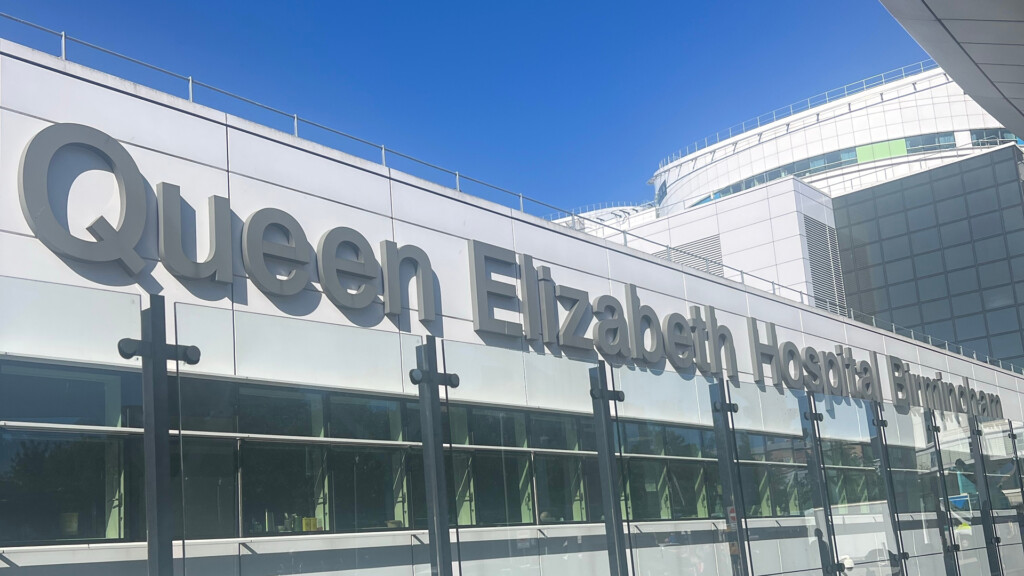
Yet this was the experience of Alan Graham’s family after he was admitted to Queen Elizabeth Hospital in Birmingham in 2021. The shocking tale was revived last month when a Parliamentary and Health Service Ombudsman report was published on Graham’s care.
It noted that during the 11 weeks he was in hospital, the trust provided professional interpreters on only three occasions and that it regularly used two of his grandchildren to interpret medical information and details about his prognosis.
Unfortunately, this isn’t an isolated incident. In recent times, there have been many reports of other deaf people struggling to access NHS services, despite both the Accessible Information Standard and the Equality Act making clear that service providers should make reasonable adjustments to enable deaf people to access their services.
A study conducted last year by the Royal National Institute for Deaf People (RNID) and SignHealth found that more than half of those who are deaf or have hearing loss have had to rely on a partner, friend or family member to interpret during healthcare appointments.
While this is alarming, it is not altogether surprising. The RNID estimates there are about 1,500 qualified BSL interpreters to serve the 87,000 deaf BSL users across the country. Put simply, for every 60 deaf people, there is only one interpreter.
Automatic provision needed
Graham’s daughter, Jennifer, argued interpreters should automatically be provided for everyone who needs them, and she’s right. But this is far from simple when we have such a dire shortage.
A best-case scenario may be to train more BSL interpreters, but this wouldn’t provide a quick fix. It takes seven years to be fully trained, and those working in the medical field must have a number of years’ experience beyond this to ensure their skillset is of the standard expected.
For now, we need to make better use of our limited professional resources, and technology can go a long way towards making this happen. NHS providers should consider using video interpreting to fill the gaps between face-to-face provision, so deaf people can access health services as and when they need them.
An interpreter answering on-demand BSL video calls can cover five to ten times more interpretation sessions than attending in person, providing increased access and cover for emergencies. In addition, video addresses the problem of hard-to-reach areas and thus helps reduce geographic inequality.
And while it’s understandable that many BSL users would prefer a face-to-face interpreter, a video interpreter is preferable to treatment being delayed or requiring friends and family to act as interpreters.
The issue with using family and friends extends far beyond the emotional strain they might face when explaining a potentially serious medical diagnosis to a loved one. There is also the fact that they may be unable to communicate specific medical terminology accurately, and there are also risks around neutrality and confidentiality.
So why is video not being used more widely? Many healthcare staff are unaware that on-demand BSL video interpreting is available, while technical issues can also be a deterrent.
Sometimes BSL interpreting is procured alongside foreign language interpreting – this has historically been delivered mostly in-person or via telephone, and telephone is not a viable option for deaf people. Video on demand is now widely available for foreign language interpreting, but NHS bodies have been slow to take it up for languages, and this has also impacted its implementation for BSL.
There’s also the fact that for too long, deaf people have had to complain about the services they receive to bring about change. For example, in September last year, two Lewisham A&E departments introduced 24/7 BSL video interpreting after one user argued the hospital provided 24/7 interpreters for foreign languages and ASL but only offered them between 0900 and 1800 for BSL.
Access for deaf people
But we shouldn’t wait until a BSL user demands changes, we must be proactive about increasing access for deaf people.
One great example of this comes from Contact Scotland BSL, the service launched by the Scottish government in 2016. It allows BSL users to contact any public, third or private sector organisation and communicate via an on-demand video interpreter 24 hours a day, seven days a week. If such a service were replicated in England and Wales, it could alleviate many of the barriers faced by BSL users, not just in terms of healthcare but in all areas of their lives.
Video interpretation isn’t ideal for every scenario, and there will be sensitive appointments where a face-to-face interpreter is more appropriate. But if technology is used when it is suitable, there’s a greater chance of a face-to-face interpreter being available for those times when they are crucial, and this will benefit the entire BSL community.