Add us as a preferred source
Although the government’s new legislation includes restrictions on high-risk procedures, some within the industry say that it doesn’t go far enough.
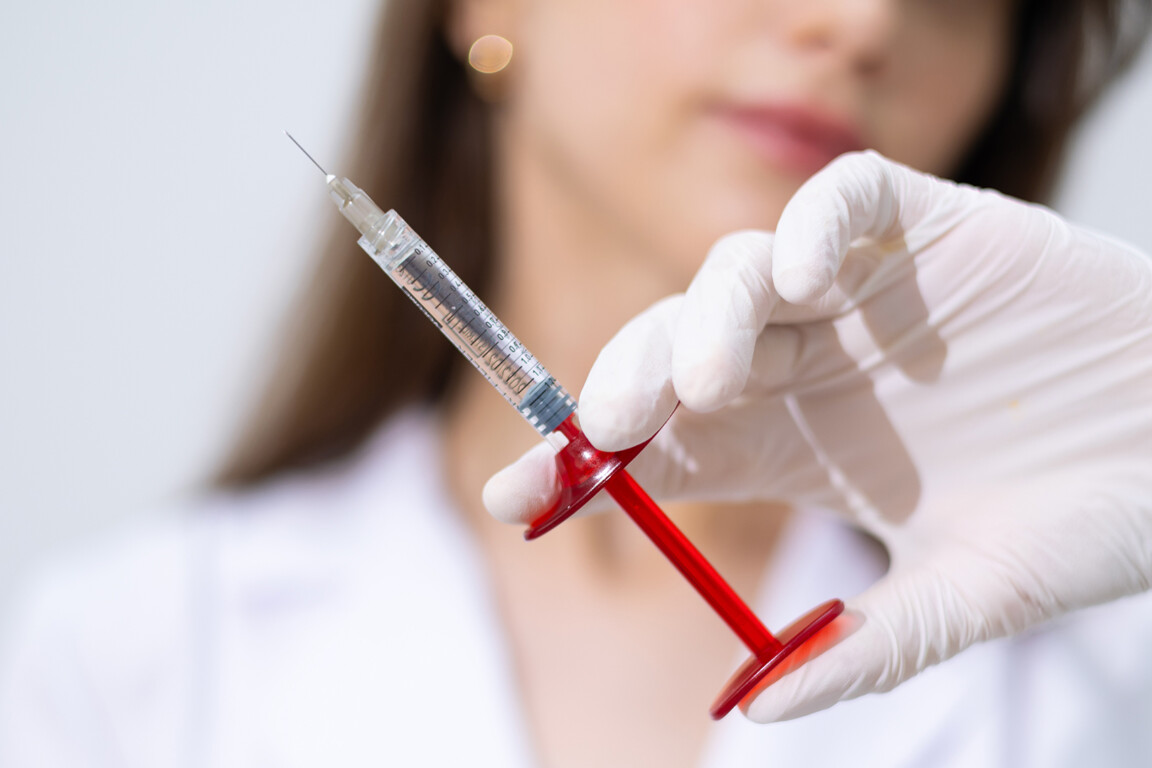
In moves that have been welcomed by the health sector and lawyers, the crackdown on cosmetic cowboys has intensified as the government announces new restrictions on cosmetic procedures, including liquid Brazilian butt lifts (BBLs), vampire facials and chemical peels, to qualified healthcare experts only.
Under the new rules, anyone carrying out the highest-risk cosmetic procedures will need to be a qualified, trained and regulated professional. Fillers injected into parts of the body other than the face, including liquid BBLs, would be legally defined as cosmetic surgical procedures, meaning only doctors could perform them. High-risk non-surgical or wellbeing treatments, including deep chemical peels, vampire facials, dermal micro-coring and some laser procedures, would also be restricted.
The new rules will also close a dangerous loophole that has seen ill-qualified practitioners working out of hotel rooms performing high-risk procedures without regulatory oversight.
Breaking the rules could see providers being hit with unlimited fines, or fixed penalties up to £4,000.
“We want to drive cosmetic cowboys out of the market and raise standards across the board, giving reputable businesses a fair chance to thrive by helping people identify safe, qualified providers they can trust,” said health minister Karin Smyth.
“I believe this is a vital step towards the required regulation and commend the government for tackling this issue head-on,” said Victoria Brownlie, chief policy and sustainability officer at the British Beauty Council.
“Their assurance that a licensing scheme for ‘lower risk’ treatments will follow is also much welcomed as a vital turning point to ensure the highest standards of competence and care across the beauty and aesthetics sector,” she said.
Direction of travel
“It’s good to see the government finally acting on this. At the moment, anyone can pick up a syringe of filler and treat a member of the public, whether or not they have any medical training. We see the consequences regularly in our work; the people we act for are often left with serious physical injuries, and many are also left with large bills for corrective treatment,” said Michael Saul, partner at Cosmetic Surgery Solicitors.
“The broad direction of travel has been clear since the Health and Care Act 2022 and subsequent consultations. What is interesting is that we are now seeing greater detail about how the highest-risk procedures may be regulated in practice,” added Mike Clifford, corporate partner and head of private health and care at Weightmans.
But there is a sense that the legislation does not go far enough.
“The proposals do not go far enough to protect patients undergoing cosmetic surgery. If the Government strengthens regulations for non-surgical procedures while leaving cosmetic surgery largely unchanged, it will create an unacceptable gap in patient protection,” said Keith Allison, cosmetic surgery co-lead at the Royal College of Surgeons of England.
There were also questions of how much of a deterrent the financial penalties would be.
“I welcome the new criminal offences, but I’m not sure a fine of up to £4,000 reflects the harm these treatments can cause. Rogue operators can make that much in a weekend, so some may simply treat it as a cost of doing business,” said Saul.
“The rules will only work if there is the funding to track these people down and take action against them. I also agree with the Royal College of Surgeons that cosmetic surgery shouldn’t end up with weaker safeguards than non-surgical treatments.”
The field of cosmetic surgery regulation is changing rapidly and it will continue to change. “This is a rapidly evolving area, and whether medically qualified or not, those providing aesthetic treatments must ensure they practise safely, ethically, and in full compliance with emerging regulatory requirements,” said Natasha Ricioppo, healthcare regulatory senior associate at Keystone Law.