Add us as a preferred source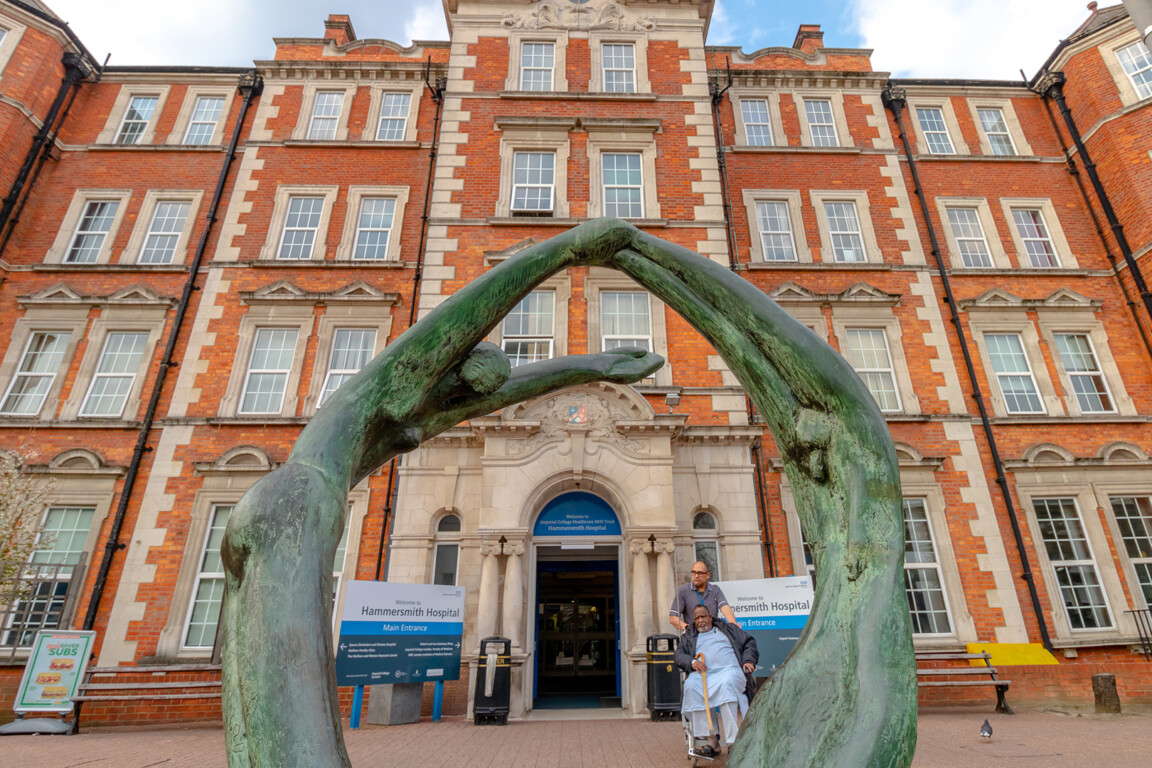
Hammersmith Hospital, an extension of the Imperial College Healthcare NHS Trust, has begun trialling the drug danicamtiv to treat genetic forms of dilated cardiomyopathy.
Dilated cardiomyopathy (DCM) leads to the enlargement and weakening of the heart, primarily the left ventricle and can lead to dangerous heart rhythms and heart failure. The disease affects people of all ages, yet roughly a quarter of all cases are inherited through a mutation of genes such as Titin, affecting heart muscle functions.
The KINSHIP-DCM clinical research trial, financed by Princeton-based heart drug developer Kardigan, aims to evaluate the effectiveness of danicamtiv in preventing the severe effects of DCM in those with genetic predispositions towards the disease in comparison to placebo-based treatments. The research, financially backed at the Trust by the NIHR Imperial Biomedical Research Centre, aims to limit the most severe outcomes, particularly as cardiomyopathies are a notable cause of heart failure and cardiac arrest in young people.
The trial wants to set up faster access to investigational treatments.
“This is an exciting milestone for our patients and our service… For patients with cardiomyopathy, particularly those with genetic disease, innovation is essential to improve outcomes for patients and their quality of life,” said Imperial College director of cardiac services and consultant cardiologist Amanda Varnava.
This view emphasises the widely perceived importance of a prompt start-up of the trial among medical professionals, aiming for a research-focused approach to make new treatments available to patients for a range of heart conditions, including DCM and other cardiomyopathies.
The broader goal of the team is to expand understanding of the genetic mechanisms driving these conditions through the UK’s access to NHS integrated genetic testing. This is “the ideal environment” to carry out these studies quickly and “make new treatments available as soon as we know they work,” said study lead James Ware.
The study is reflective of a broader push to position the UK at the forefront of cardiovascular innovations as part of a national and international drive for new and more effective treatments. The team has also participated in a wider study of innovations within the sphere of myosin activator medicines – a new class of medications which have shown promise in improving cardiac functions through targeting the mechanisms behind muscle contractions rather than simply managing symptoms. This is in addition to genetic therapies to replace, regulate or repair faulty genes responsible for heart disease, showing promise in bringing modern treatments to patients suffering from cardiomyopathies.