Add us as a preferred source
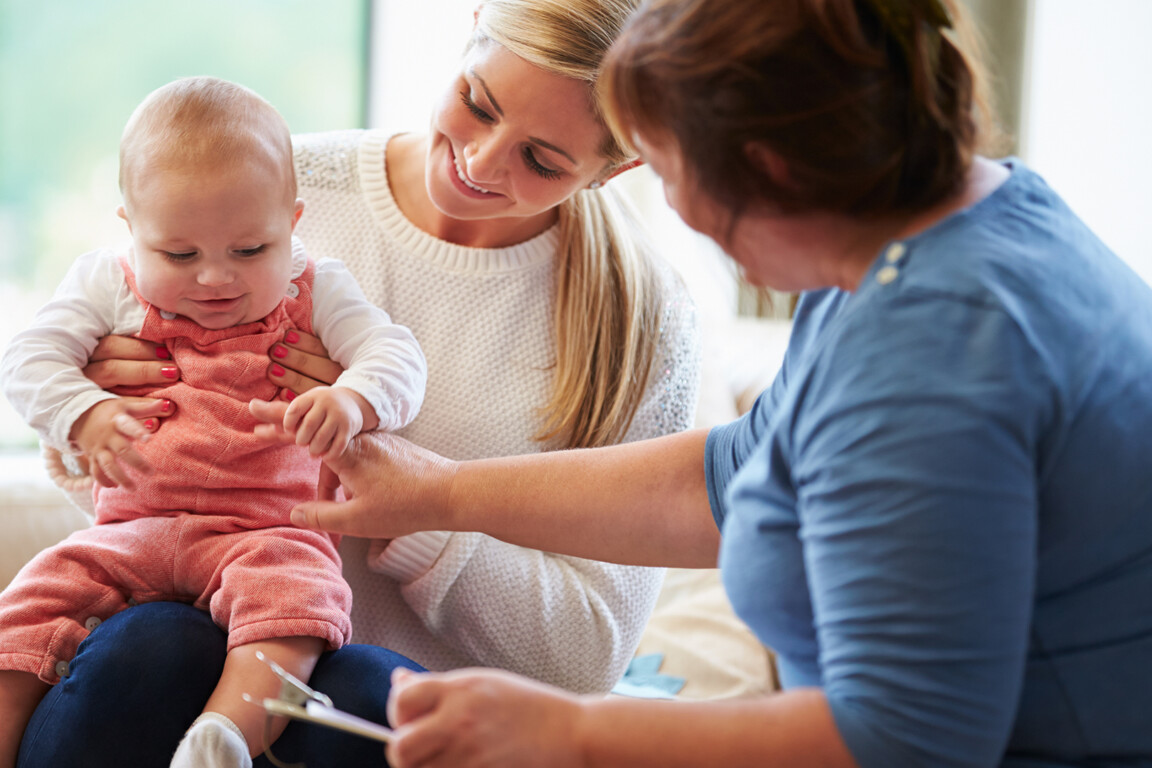
As health visitor numbers drop by 41% in a decade, Institute of Health Visiting’s Eileen Perrins talks about unsafe caseloads and postcode lotteries in care.
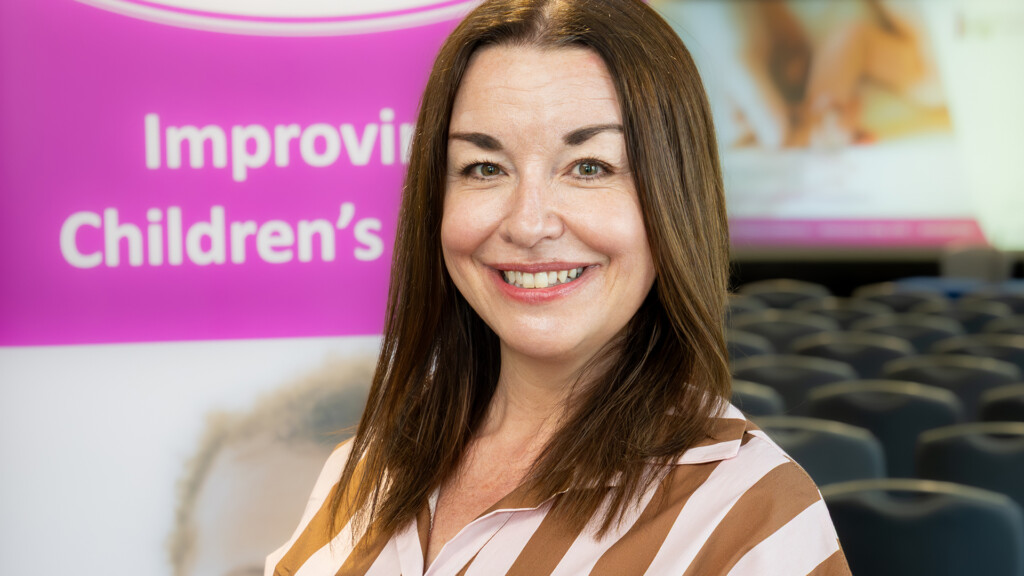
Eileen Perrins, perinatal and infant mental health lead at the Institute of Health Visiting, has witnessed seismic changes to her profession in the past decade.
Before joining the institute this year, Perrins was on the front line, first as a general health visitor, meeting new mothers and babies in their homes, and then going on to support those particularly struggling with their mental health. But the job is not what it once was.
Here, she talks to Healthcare Today about her experiences.
How has health visiting changed since you began your career?
The profession has been decimated over the past ten years. In 2015, 11,192 health visitors worked in England. But as of last year, there were an estimated 6,649, which is a 41% decline. You can’t lose that number of health visitors without seeing a significant difference in what we can offer to families. Some health visitors are holding caseloads of up to 1,100 families, and that’s not safe.
I’ve seen fantastic practitioners leave the profession due to burnout. They’re not able to offer the public health role they were trained to provide. Health visitors are skilled and competent and can make such an impact on families, but now it’s more like firefighting. We haven’t got the numbers to deliver the Healthy Child Programme, the national framework for improving the health and wellbeing of children and young people.
The most recent State of Child Health report shows a stark landscape for the future. For example, the proportion of eight to 16-year-olds with a probable mental health disorder is at 20%, up from 12.5% in 2019. And it’s entirely predictable. We’re not doing early intervention in the way that is needed, and the problem is being kicked down the road, leaving teachers, for example, to pick up problems they’re not trained to address.
The idea that a family would see the same health visitor every time now seems like a myth, doesn’t it?
That’s really sad to hear. When I started, you had a caseload, and you knew your families. You would see the child from ages zero to five. And then you might see the family again for their next baby, and you would already have a relationship with them. That meant it was easier to spot if the mother was struggling with her mental health after the birth. Health visitors can sit with people in their emotional distress and offer support, which can prevent the problem from escalating or the need for secondary care. But you need time and consistency to build that relationship.
We act as the trusted health professionals, as others come and go. Your midwife is very important, but you are then discharged from their care days or weeks after giving birth. However, the highest rate of perinatal suicide is between six weeks and 12 months, and that’s when your health visitor is still there. So that ongoing relationship is crucial. In some areas, that has been lost, and great health visitors are leaving because of it. We used to have people who would retire and then return part-time because they were so passionate about the job. Now they don’t come back.
“Some teams that have enough funding are doing fantastic work and can deliver the kind of support I saw when I started.”
Why is there a discrepancy between the services on offer in different areas
In 2015, responsibility for commissioning health visiting services was transferred from the NHS to local councils. This was done with good intentions, to allow for teams to respond to the different needs within their communities, for example, rural isolation may be a real issue in one place, but smoking might not be such a concern.
However, what we now see is insufficient funding and a postcode lottery for the service on offer. For example, in some areas, if a mother is experiencing postnatal depression she will be offered a package of care, with the same health visitor seeing her on six separate occasions. This can be very effective, but in some areas, women are not offered it at all.
There are pockets of hope. Some teams that have enough funding are doing fantastic work and can deliver the kind of support I saw when I started. But the offering is different depending on where you live, and it shouldn’t be that way. There needs to be a core offer of care that every family can expect, wherever they live.
There’s also a discrepancy in the number of caseloads. In some places, health visitors may be responsible for 205 families, whereas in other areas this soars to more than 1,100. Of course, that is going to impact the quality of care and the support available.
What changes would you like to see?
We have evidence from the floor to the ceiling about how important investment is in the first 1,001 days of a child’s life. Every month I read a new piece of research that backs this up, but where is the investment in health visiting?
We need ring-fenced funding to recruit and train more people. Often, if someone leaves their role, the money for that post is absorbed elsewhere, which isn’t good enough.
Health visitors have a universal reach. We go down the dusty farm track. We go to the flats above the high street shops. We see the people who, for whatever reason, aren’t leaving their homes and help them enter the world again. But we need to be given the time and numbers to do the job we were trained for.