Add us as a preferred source
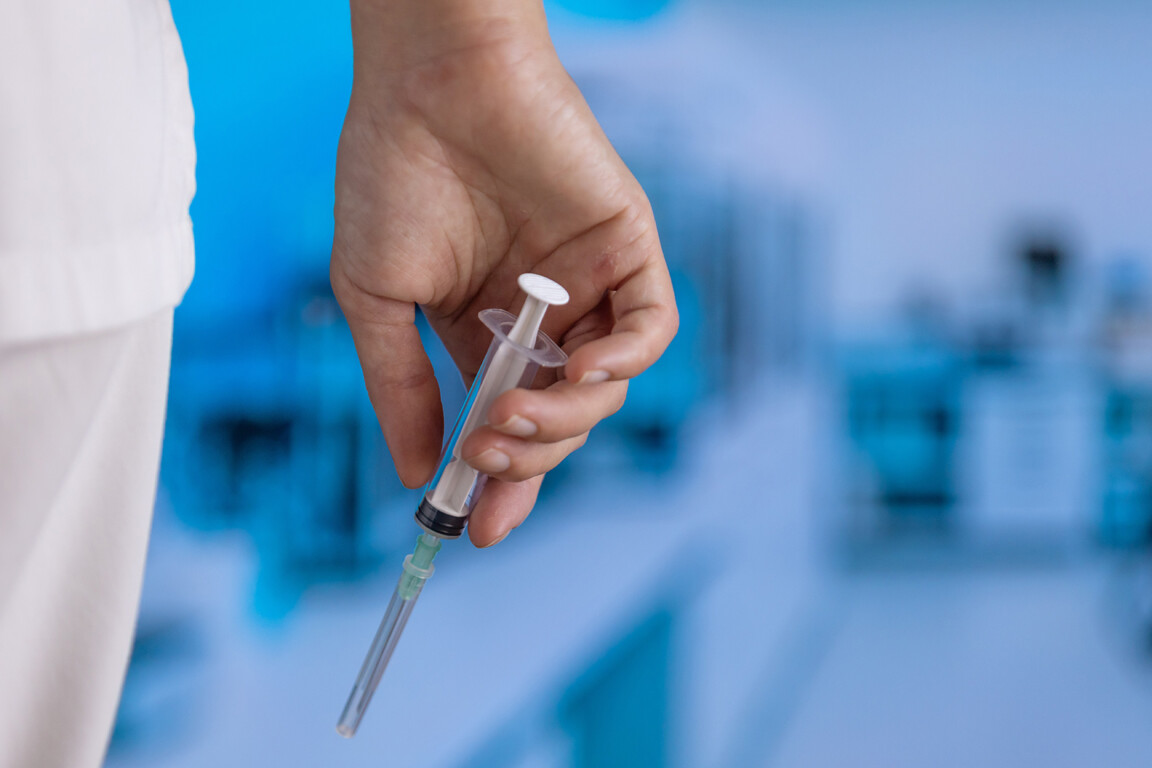
In a series of raids, the department has stepped up enforcement action against premises providing injection treatments with unregistered pharmaceutical products.
The Department of Health in Hong Kong has conducted a series of raids in an effort to crack down on premises suspected of providing injection treatments involving unregistered pharmaceutical products. Four premises offering beauty services in Tsim Sha Tsui, Mong Kok, Tsuen Wan and Yuen Long were searched.
Among them, over 100 vials/ampoules of suspected Part 1 poisons for injection and more than 70 vials/ampoules of suspected unregistered pharmaceutical products for injection were seized from the two premises in Tsim Sha Tsui and Mong Kok. These included a product called Elravie Re2O, which was packaged in Korean, indicating that it is for injection and claiming to contain human tissue.
A 38-year-old woman was arrested.
The Controller for Regulatory Affairs of the department pointed out that the Elravie Re2O seized in the operation is claimed on its packaging to contain human tissue. It is classified as a “regulated product” under the Human Organ Transplant Ordinance (Cap. 465) and also as a ‘pharmaceutical product” under the Pharmacy and Poisons Ordinance (Cap. 138).
“The Department of Health will continue to follow up on the case and trace the source of the unregistered pharmaceutical products,” said the Controller Fung Ying.
Products manufactured from human tissue are classified as “regulated products” under the Human Organ Transplant Ordinance. Before such products may be sold in Hong Kong, an application for exemption must be submitted to and approved by the Director of Health. Any person convicted of an offence under the Ordinance is liable, on first conviction, to a fine of HK$50,000 and imprisonment for three months and, on any subsequent conviction, to a fine of HK$100,000 and imprisonment for one year.
From 2023 to September this year, the department’s Drug Office handled 108 convicted cases involving the sale and/or possession of unregistered pharmaceutical products. The heaviest sentence imposed was ten months’ imprisonment (for all offences taken together), while the highest fine imposed was HK$242,000.