Add us as a preferred source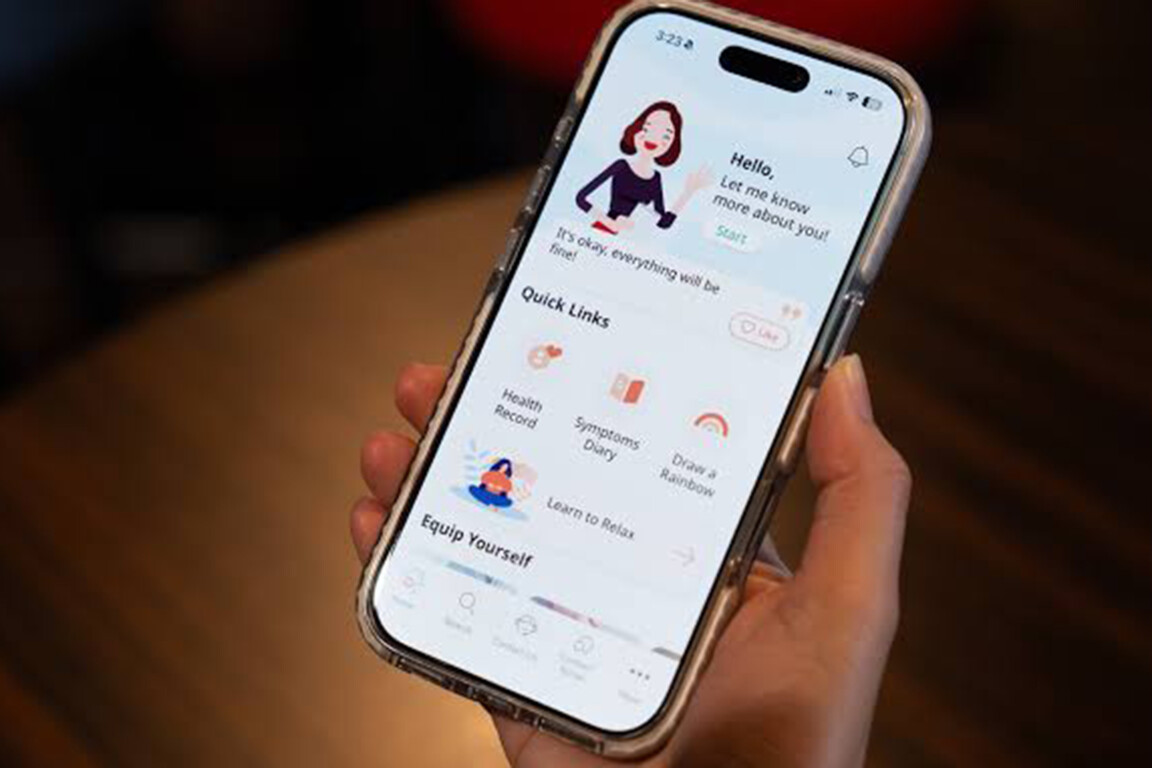
The Support+ app helps strengthen community-based services, improves self-care confidence, fosters collaboration among healthcare providers, and reduces hospital admissions.
The University of Hong Kong has developed a one-stop cancer health management application in Hong Kong to allow advanced cancer patients to monitor their condition at home and arrange online support for nurses to reduce the risk of emergency consultation and sudden admission.
“Many terminally ill cancer patients in Hong Kong receive palliative treatment in the community and home environment. If the patient’s symptoms worsen during the recovery period, but they fail to detect and deal with it in time, they may miss the opportunity to intervene early, and even cause the condition to worsen, increasing the risk of emergency consultation and sudden admission,” said Ying-le Chan, associate professor of clinical practice at HKU Medical School.
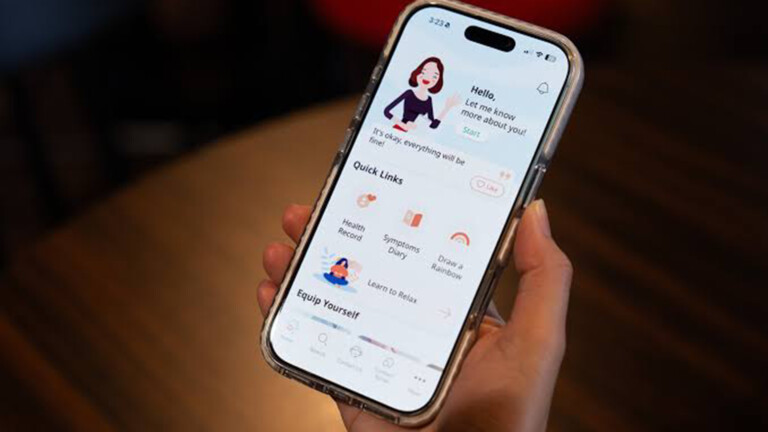
Because of this, Chan led a team to develop the Support+ mobile app. It not only provides information on cancer, mitigation and hospice services, but also helps patients and caregivers to master the knowledge and skills needed for home care. Users can record weekly physical changes and psychological conditions, communicate with medical staff through the programme, and obtain appropriate advice and support to reduce the risk of worsening and unintended admission.
Maintaining quality of life
The HKU Medical School research team recruited 1,214 terminal cancer patients in six hospitals in Hong Kong between January 2023 and February 2025, and continued to follow up for 18 weeks. They had all stopped receiving anti-cancer drugs and were receiving relief treatment services in the community.
They were randomly divided into two groups, of which 624 people only received routine care; another 590 people used Support+ and received routine care, and the patient or the patient’s family filled out the symptom assessment questionnaire through Support+ every week. The system provides targeted self-management advice in real time.
The results showed that patients using the Support+ app were able to better maintain healthy and relevant quality of life after 18 weeks, and the self-efficacy score was significantly better, with a 13.3% improvement ratio higher than in the control group.
In addition, the study also found that the proportion of patients using Support+ who experienced unintended hospitalisation decreased (17.2% compared to 28.5%), while the average number of hospital stays decreased from 7.3 to 3.4 days.
“Our research confirms that this patient-centric digital care model can help strengthen community-based relief treatment services, improve self-care confidence for patients and caregivers, foster collaboration among healthcare providers, and reduce hospital residency needs,” said Chan.