Add us as a preferred source
The latest innovations in healthcare, including a web-based patient administration system, a global surgical education platform and improved prescription delivery in Manchester and Birmingham.
Dedalus launches web-based ORBIS PAS platform
Healthcare technology provider Dedalus has launched ORBIS PAS, its web-based patient administration system, in the UK and Ireland.
Designed to integrate administrative and clinical workflows, the platform uses what it calls a “most used, first used” interface design to reduce system fragmentation and streamline operational workflows across acute, community and integrated care settings.
The system incorporates artificial intelligence, ambient voice technologies and speech recognition to help healthcare staff with administrative tasks. It includes an AI-powered referral management component that automatically captures paper and email referrals to recreate them within the system, automated operational worklists, and predictive analytics that use historical trends to reduce outpatient non-attendance rates.
NHS Humber Health Partnership (HHP) will be among the early adopters as part of its Unity EPR Programme. The platform provides an upgrade pathway for Dedalus’ existing customer base, which includes 26 NHS Trusts in England and 95% of acute hospitals in Ireland currently using its legacy patient administration software.
“Patient administration is too often treated as back-office housekeeping, when it has a direct impact on patient experience, operational performance and safety,” said Richard Craven, managing director of Dedalus UK and Ireland. “We are rethinking how patient administration should work for modern teams – making the most common tasks easier, surfacing the right information at the right time, and helping staff move from reactive administration to proactive patient management.”
Surgeon.AI launches global AI education platform for surgeons
Healthcare technology innovator and surgeon Shafi Ahmed has launched Surgeon.AI, a global AI-powered platform designed to support surgical training, career development and lifelong learning. The tool aims to make personalised surgical education accessible to medical students, trainees and consultants worldwide.
At the core of the platform is ELLA (Education, Learning and Language Agent), an AI educational companion built specifically for surgical learners to facilitate interactive questioning, explanations and clinical reflection. The tool operates alongside three integrated systems: SurgeonOS, an interactive learning environment covering core surgical knowledge and exam preparation; SurgeonGPS, a career navigation system that helps surgeons assess their professional development and determine next steps; and SurgeonIE, an intelligence engine designed to connect users with mentorship, collaboration, and wider educational opportunities.
The platform also includes the Surgical Acumen Index (SAI), a proprietary algorithm that tracks a surgeon’s development across six domains: knowledge, clinical reasoning, decision-making, operative understanding, evidence-based practice and professional practice. Designed as a developmental tracking tool rather than a replacement for formal accreditation, the index adapts as users engage with the software to highlight strengths and potential knowledge gaps.
“Talent is distributed globally. Opportunity is not,” said Ahmed. “Surgical education has traditionally depended heavily on where you train, who teaches you and the opportunities available to you. We want to create an intelligent companion that supports surgeons throughout their careers, understands their development and helps identify what they need to learn next.”
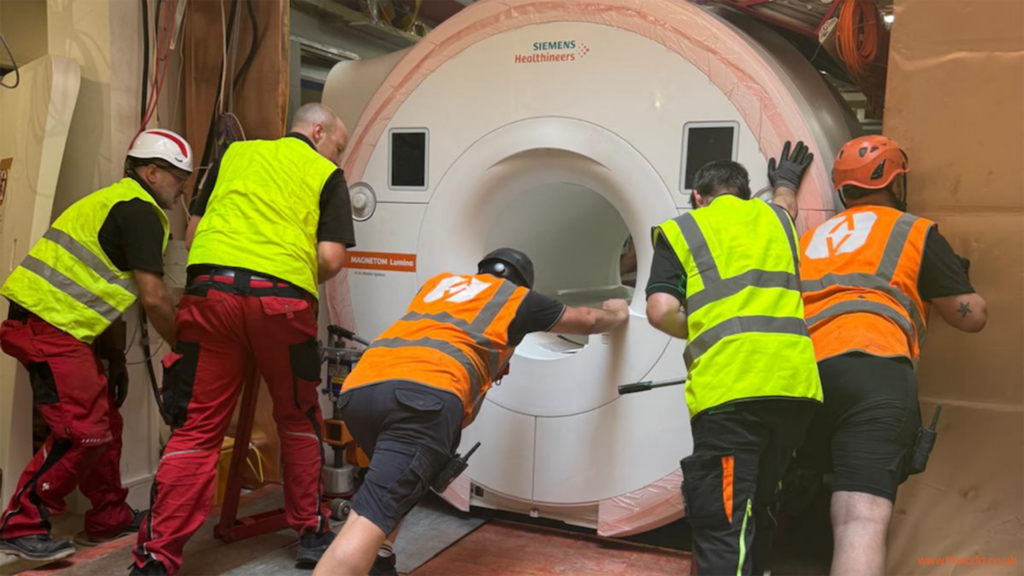
Prime Health invests in Harley Street centre upgrade and 3T MRI technology
Private diagnostics provider Prime Health has invested £2 million in its facility at 45 Queen Anne Street, within London’s Harley Street Health District. The centre combines expanded diagnostic imaging capabilities with preventative healthcare and health assessment services.
The centrepiece of the site’s refurbishment is a new Siemens Healthineers MAGNETOM Lumina 3T MRI system. The scanner integrates artificial intelligence-powered reconstruction software and BioMatrix technology designed to enhance scan speed, image consistency and patient comfort across a range of clinical pathways. Alongside the imaging hardware, the facility is broadening its clinical team of GPs and consultant specialists to deliver integrated health screening, musculoskeletal services and private GP appointments for both self-pay and referred patients.
“Its advanced imaging software, AI-powered reconstruction and BioMatrix technology will help Prime Health deliver efficient, high-quality examinations, supporting its ambition to provide more personalised care while equipping clinicians with the information they need to make confident decisions,” said Alistair Piggot, business area lead for MR at Siemens Healthineers Great Britain and Ireland.

Antimicrobial resistance innovation secures commercial partner
An NHS-developed device designed to prevent the spread of drug-resistant bacteria from hospital sink drains has secured a commercial partner for global manufacturing and deployment.
The technology, named AseptiFlow, was invented by James Soothill, consultant microbiologist at Great Ormond Street Hospital for Children NHS Foundation Trust (GOSH), and has been licensed to UK copper manufacturer Mueller Europe.
AseptiFlow is a retrofittable copper device installed between a sink outlet and the U-bend trap. It provides a physical barrier that prevents contaminated droplets from splashing back into the sink basin, targeting a known environmental reservoir for multi-drug-resistant bacteria and nosocomial infection outbreaks. Clinical evaluation at GOSH – supported by funding from the Knowledge Asset Grant Fund – showed a statistically significant reduction in harmful bacterial counts in sinks fitted with the device during a randomised controlled trial.
Innovation consultancy Health Tech Enterprise (HTE) supported the project from initial evaluation through to licensing, providing market analysis, intellectual property strategy and commercial partner engagement. Mueller Europe has established a dedicated healthcare & life sciences division to manufacture and distribute the technology to healthcare facilities, care homes, and high-footfall public environments globally.
“Hospital sinks have increasingly been recognised as reservoirs for multi-drug-resistant bacteria and have been implicated in outbreaks around the world,” said Soothill. “AseptiFlow was developed as a simple, practical solution to help prevent contaminated droplets from splashing back from sink drains and potentially spreading bacteria.”

Healistic expands two-hour prescription delivery to Manchester and Birmingham
Healthtech platform Healistic has expanded its private prescription delivery service to Manchester and Birmingham, extending a two-hour delivery model that was previously available only in Greater London.
The platform operates via a decentralised pharmacy model, connecting private prescribers with a network of partner pharmacies. Rather than routing orders to a single fulfilment hub, the system uses geolocation algorithms to allocate private electronic prescriptions to a nearby pharmacy with verified stock, which then dispatches the medication.
The expansion aims to address ongoing UK medicine supply chain challenges, where drug shortages frequently require patients and clinic staff to source prescribed treatments across multiple locations. Now supporting over 1,300 clinician user accounts across major UK private hospital groups, Healistic provides its e-prescribing software free of charge to clinics, offering two-hour fulfilment in London, Manchester and Birmingham alongside next-day delivery nationwide.
“One of the most frustrating things for patients is being given a prescription and then finding out the pharmacy doesn’t have the medication that they need,” said Healistic founder Daniel Bulkin. “We’ve built a nationwide network of pharmacies to combat this, so, rather than leaving the patient to do that search themselves, we can find where the medication is available and get it to them quickly.”
Allergy Centre of Excellence launches support service for paediatric allergies
The Allergy Centre of Excellence (ACE) – a CQC-registered specialist allergy hospital founded by Gideon Lack, George Du Toit and Adam Fox – has launched Allergy Assist, a digital support platform designed to assist families managing childhood food allergies, eczema, asthma and allergic rhinitis.
Led by allergy nurses and backed by ACE’s multidisciplinary team of professors, dietitians and psychologists, the app-based service provides clinical guidance to bridge the gap between periodic consultant appointments. The platform offers an instant chat feature, virtual telephone and video consultations, postal prescribing for medications and adrenaline auto-injectors, and a resource library which contains 30 clinically reviewed information leaflets and 17 instructional videos.
Alongside daily clinical management – such as home allergen introduction, weaning advice and eczema flare care – the service addresses the psychological and lifestyle impacts of chronic allergies. Features include bi-monthly virtual support groups led by psychologist Karen Murphy, dedicated return-to-school and travel guidance, and annual appointments with specialist dietitians and psychologists for higher-tier members.
“Through conversations with the families we support, it became clear that many feel the burden of managing the day-to-day realities of allergic conditions,” said Hannah Kramer, clinical nurse specialist at ACE. “Allergy Assist was created to share that burden… With access to specialist nurses at the touch of a button, and the reassurance that those nurses are supported by a wider team, it’s like having a world-class allergy team in your pocket.”
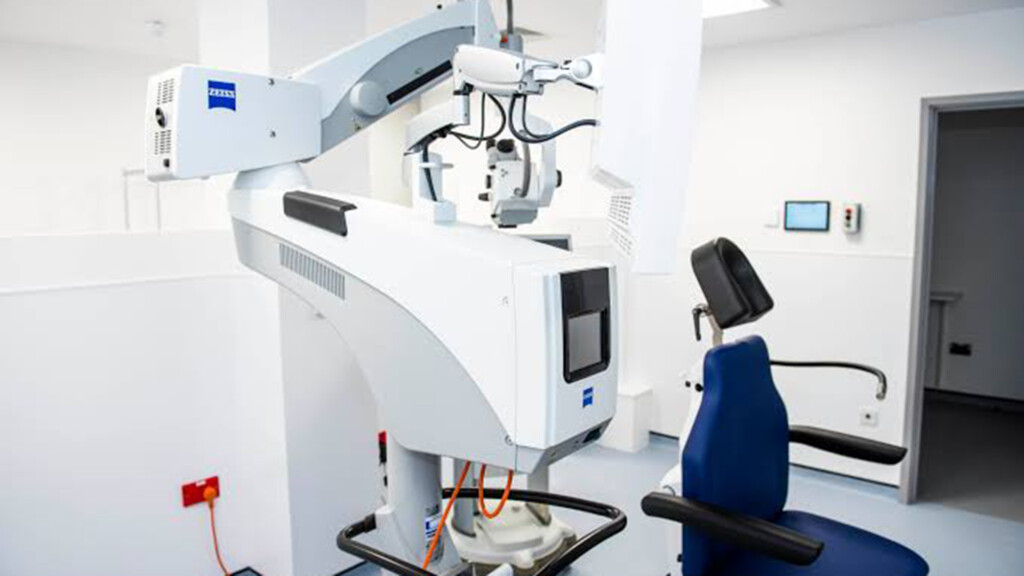
Optegra audit validates one-year outcomes for drop-free NHS cataract surgery
Specialist ophthalmic provider Optegra Eye Health Care has published a clinical audit evaluating its drop-free cataract surgery pathway, one year after its rollout across the group’s hospital network.
The pathway eliminates the requirement for patients to administer post-operative topical eye drops – typically over 200 drops over four weeks – by delivering steroid and antibacterial medications intraoperatively during the surgical procedure.
The audit, which analysed outcomes across 34,000 eyes, demonstrated safety, visual acuity and refractive results comparable to or improved over standard post-operative drop regimens. Key clinical findings showed post-operative complication rates remained low and closely matched between groups, including macular swelling (3.1% in the drop-free cohort versus 3.3% in the standard drop cohort), intraocular inflammation (2.4% versus 2.5%), and elevated intraocular pressure (0.6% across both groups).
By eliminating self-administered drops, the pathway is designed to improve compliance and convenience, particularly for patients with manual dexterity challenges, complex medication schedules, or limited social support at home.
“The findings add to the growing body of evidence supporting drop-free cataract surgery and demonstrate our commitment to ensuring innovation in cataract care is supported by robust clinical evidence,” said Alastair Stuart, medical director and ophthalmic surgeon at Optegra.
Fourth cohort of MSK Innovation Accelerator opens for UK medtech ventures
Applications have opened for the fourth cohort of the MSK Innovation Accelerator, the UK’s dedicated accelerator for musculoskeletal (MSK) technology.
Sponsored by TIME Interconnect MedTech UK and supported by Orthopaedic Research UK (ORUK) and Joint Venture Academy, the fully funded six-month initiative is powered by Imperial College London’s MedTech SuperConnector (MTSC) and Enterprise Lab.
The accelerator provides participating ventures with specialist commercial support, including entrepreneurship training, regulatory guidance and direct access to clinicians, industry mentors and investors. Cohort participants are also given the opportunity to pitch for pre-seed and seed funding directly to ORUK’s Investment Committee.
To date, the broader MTSC initiative has enabled the creation of 24 spinout companies and helped ventures secure over £26 million in combined grant and equity funding.
The 2026 intake is targeting clinicians, researchers, engineers and entrepreneurs developing solutions across orthopaedic devices, digital health, artificial intelligence, rehabilitation, mobility technologies and smart implants.
Applications close on 4 October, with an online information session scheduled for 22 September.
“AI, digital rehabilitation, smart implants and data-driven technologies are creating opportunities that simply weren’t possible a few years ago, at a time when demand for musculoskeletal innovation has never been greater,” said Hiten Thakrar, head of medtech SuperConnector at Imperial College London.
“The Accelerator is designed to give them the knowledge, networks and confidence to take those ideas from the lab or clinic into products and businesses that can make a real difference to patients,” he added.