Add us as a preferred source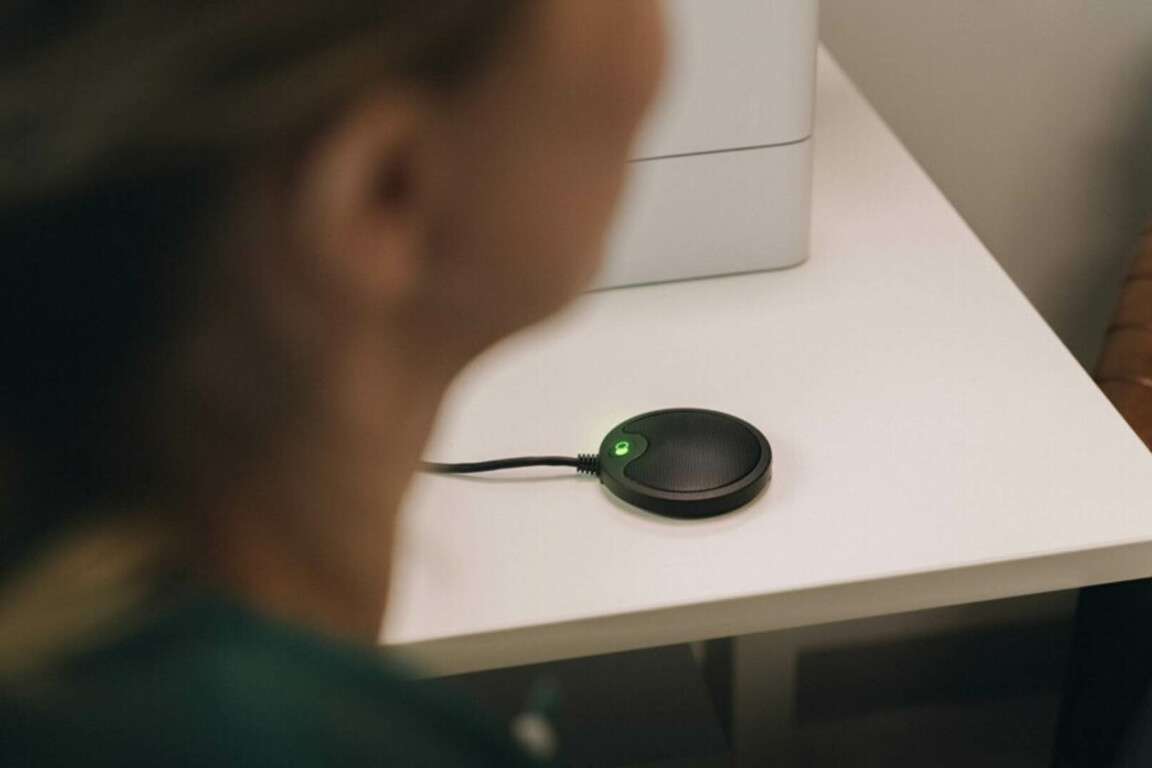
The latest innovations in healthcare, including clinical decision support integration at the point of care, an AI quality improvement tool across primary care networks, and a consultation summarisation app for families navigating paediatric oncology.
Tandem Health partners with BNF Partnership
Healthtech company Tandem Health has signed an agreement with Pharmaceutical Press, acting on behalf of the BNF Partnership, to integrate the British National Formulary (BNF) and BNF for Children (BNFC) into its regulated AI Clinical Decision Support tool.
CE-marked under the European Medical Device Regulation (EU MDR) as a Class IIa medical device, Tandem’s tool allows UK clinicians to query medicines guidance in plain language during patient consultations and receive source-linked answers drawn directly from BNF and BNFC databases. The integration provides immediate access to regularly updated evidence-based guidance on drug dosages, interactions, side effects and precautions without needing to leave active workflow or medical records interface.
The BNF Partnership – comprising BMJ Group, Pharmaceutical Press, the Royal College of Paediatrics and Child Health, and the Neonatal and Paediatric Pharmacy Group – operates under ISO 9001-accredited governance to maintain authoritative prescribing standards. The non-exclusive licensing arrangement ensures clinical answers generated by the AI remain fully traceable and verified against accredited national formularies.
“Clinicians don’t distrust AI because it’s AI. They distrust answers they can’t trace,” said Katie Baker, UKI country director at Tandem Health. “Tandem puts BNF and BNFC content directly in front of the clinician, so they can see the source and judge the answer for themselves. That’s fundamental to safe, accountable clinical decision support, with the decision remaining firmly, and confidently, in the clinician’s hands.”
Optimum Patient Care and Pangaea Data work together
Clinical quality improvement organisation Optimum Patient Care (OPC) and healthtech provider Pangaea Data have launched an AI-enabled product which will identify and close care gaps across hard-to-diagnose medical conditions.
The collaboration combines Pangaea’s guideline-configured AI platform with OPC’s international primary care network and registries, which include the Optimum Patient Care Research Database (OPCRD) covering over 1,200 UK primary care sites and 30 million de-identified patient records. Deployed behind healthcare organisation firewalls, Pangaea’s platform automatically scans electronic health records (EHRs) and cross-references patient data against clinical protocols to highlight missed screening opportunities, delayed treatments, or eligible clinical trial matches at the point of care.
OPC will provide implementation and quality improvement support across participating clinical sites and help practices translate AI-generated patient insights into routine care workflows. The longitudinal clinical, operational and health economic outcomes of the initiative will be independently evaluated and published by the Observational & Pragmatic Research Institute (OPRI).
“We have consistently proven that when guideline recommendations are implemented, clinical outcomes improve, yet clinicians need to be supported within their normal clinical workflows to prevent missed opportunities of improving patient outcomes at scale in daily practice,” said David Price, founder of Optimum Patient Care.
Aide Health AI app deploys across six North West London primary care networks
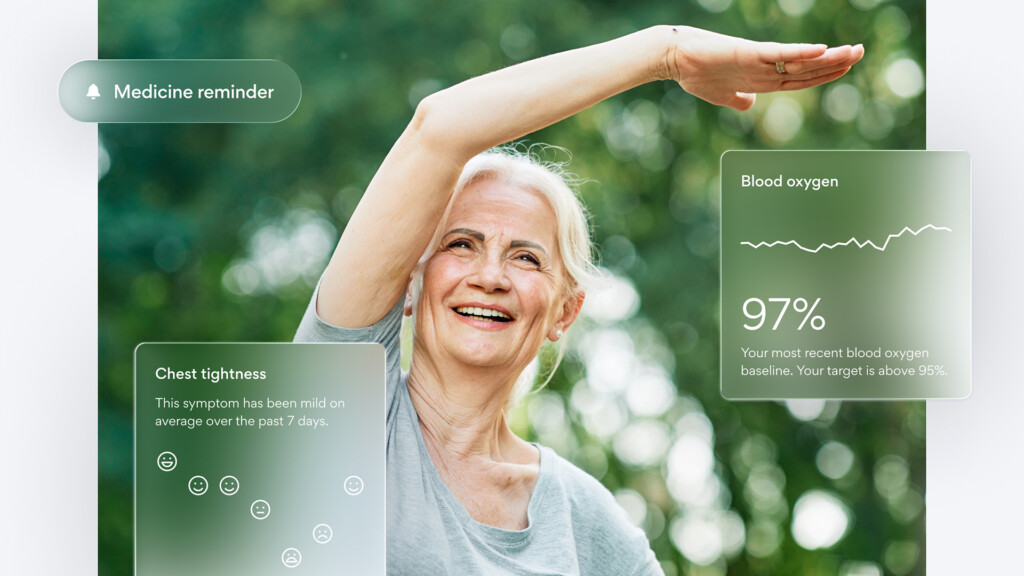
Digital health platform Aide Health has launched a six-month pilot across six primary care networks (PCNs) in North West London, offering conversational AI-powered daily management tools to patients living with chronic obstructive pulmonary disease (COPD).
The deployment covers Celandine Health and MetroCare PCN, North Connect PCN, NeoHealth PCN, Regent Health PCN, St John’s Wood and Maida Vale PCN, and Westminster Living Well PCN. Funded by the NHS West and North London Integrated Care Board via the national Respiratory Pathway Transformation Fund and supported by Imperial College Health Partners (ICHP), the program is Aide Health’s largest NHS rollout to date.
The Class I medical device app provides automated medication reminders, tracks symptoms, and monitors MRC dyspnoea and COPD Assessment Test (CAT) scores. Clinical teams can review aggregated and individual patient engagement metrics alongside missed doses to identify deteriorating patients and optimise COPD OPTIMISE clinical reviews.
“Supporting people with COPD to manage their condition confidently between appointments is an important part of improving respiratory care and helping to prevent avoidable deterioration,” said Hannah Fontana, associate director of strategy and insights at ICHP. “This programme will explore how technology can complement the work of primary care teams, reinforce the advice given during COPD reviews and provide clinicians with greater insight into patients’ symptoms and medication use.”
Pharmacy2U integrates NHS login
Online pharmacy Pharmacy2U has integrated NHS login functionality across its platform, which means that NHS App users in England can sign up and manage repeat prescription home deliveries using their existing NHS credentials.
The update enables the NHS App’s active user base – which reached 15.4 million logins in July – to connect directly with Pharmacy2U services. Once registered, patients can request repeat prescriptions through either the Pharmacy2U app/website or directly within the main NHS App interface. Following GP review and electronic authorisation via the NHS Electronic Prescription Service, medications are dispensed and delivered with full tracking.
The integration adds personalised re-order reminders and real-time status updates, building on Pharmacy2U’s existing service network.
“Millions of people are already using the NHS App to manage their health, and using their NHS login with Pharmacy2U makes using our service feel familiar, quick and secure,” said Phil Day, superintendent pharmacist at Pharmacy2U. “Ultimately, this is about giving patients greater choice and control over how they manage their repeat prescriptions.”
PHU introduces real-time point-of-care scan sharing
Portsmouth Hospitals University NHS Trust (PHU) has partnered with medical imaging IT provider Sectra to establish a digital workflow for sharing point-of-care ultrasound (POCUS) scans in real time.
First deployed within the Neonatal Intensive Care Unit (NICU) at Queen Alexandra Hospital, the system allows clinicians to attach bedside ultrasound scans directly to electronic patient records by inputting patient identifiers into scanning machines. This replaces manual transfer methods such as USB drives or physical media, enabling specialists across regional tertiary centres to review imaging instantaneously for time-critical decisions – including congenital heart defects and post-haemorrhagic hydrocephalus.
The system integrates encounter-based imaging directly into PHU’s electronic patient record and its regional Sectra enterprise imaging solution, accessible across five regional trusts within the SWASH+ imaging network. Following its initial success in neonatal care, PHU plans to expand the workflow across its acute medical unit, emergency department and intensive care unit.
“For time-critical reviews, being able to share point-of-care ultrasound scans easily with clinical specialists in real-time has already proven very important,” said Hushi Hu, neonatal consultant at PHU. “We can now more easily remain in informed dialogue with other specialist teams, who can see those images in real-time as they assist in reviewing and providing timely opinions.”

Construction begins on UK’s first net zero dialysis centre in Liverpool
Fresenius Medical Care and NHS University Hospitals of Liverpool Group have broken ground on a new £5 million purpose-built dialysis facility at Aintree University Hospital, designed as the UK’s first net zero dialysis centre.
The 27-station unit will replace existing facilities at Aintree and Waterloo, expanding local treatment capacity by approximately 42% to accommodate around 160 patients. The site incorporates a six-station home dialysis training facility alongside shared-care and self-care zones designed to support patient self-management and home-based transitions.
To align with NHS England’s 2045 net zero target for indirect emissions, the facility incorporates sustainable building technologies, including air-source heat pumps, enhanced insulation, LED lighting, automated ventilation systems and 75kW of rooftop solar panels. Construction is scheduled to be completed next summer, with clinical operations to begin in July.
“Dialysis is essential. Reducing the environmental impact of the buildings that support it must be a priority too,” said Jonathon Lawrence, managing director of UK and Ireland at Fresenius Medical Care. “This centre puts lower-carbon design at the heart of kidney care infrastructure.”
Young Lives vs Cancer and Ditto to help families navigating childhood cancer
National children’s charity Young Lives vs Cancer has partnered with AI healthtech startup Ditto to roll out a free patient-facing consultation recording and summarisation app for families affected by childhood cancer.
Social workers will introduce the tool to families following diagnosis, with the initial rollout starting across regional treatment centres in Edinburgh, Glasgow, Sheffield, Cambridge and Oxford. Developed alongside Young Lives vs Cancer’s Lived Experience Action Group, the app allows parents and patients to record clinical appointments on their mobile devices, automatically converting complex medical dialogues into clear, jargon-free written summaries.
The platform is designed to relieve the cognitive and emotional burden on parents while simplifying how updates are shared across family networks. Features allow parents to co-own a child’s record, enabling separated households and wider carers to access treatment updates independently. The app also links users to relevant support resources from the Children & Young People’s Cancer Association.
“A cancer diagnosis can turn life upside down, and taking in complex information while managing the emotional and practical impact can be incredibly difficult,” said Rachel Kirby-Rider, chief executive at Young Lives vs Cancer. “By giving families a clear record of conversations with healthcare professionals that they can return to and share, Ditto can help them understand what comes next and feel better supported as they navigate their cancer journey.”