Add us as a preferred source
The latest innovations in healthcare, including a UK-India diagnostics trade mission, a Parkinson’s research centre, a menopause clinic in Warwickshire, smart lighting for fall prevention, a digital transformation of the acute abdomen pathway, a video-on-demand interpreting service, a new hospital in London, pharmaceutical marketing and social value.
UK innovators invited to join India market entry cohort
Health Innovation Yorkshire & Humber, in partnership with the UK government’s Department for Business and Trade (DBT), has invited innovators with high-potential diagnostic solutions to apply for a delegation to India.
The UK-India Diagnostics Cohort 2026 is scheduled to take place from 26-30 October, with a structured itinerary covering the major healthcare hubs of Mumbai, Hyderabad and Delhi. The initiative is designed to support up to 10 companies in navigating one of the world’s fastest-growing healthcare markets, specifically focusing on medtech, diagnostics and digital health.
The programme targets organisations developing solutions in areas such as AI-enabled diagnostics, point-of-care testing, medical devices and population health screening.
Participants will undergo a preparation phase from June to October, receiving regulatory guidance and briefings on the Indian healthcare landscape before departure. During the visit, delegates will engage in curated meetings with leaders and buyers from major Indian diagnostic firms, including Dr Lal PathLabs, Agilus Diagnostics and Metropolis Healthcare, to explore strategic partnerships.
This opportunity arrives as India’s medical diagnostic sector is projected to reach £4.5 billion by 2027, with the country currently importing more than 80% of its medical devices. The collaboration aims to bridge the gap between UK talent and Indian industry leaders to create successful international expansions. In addition to market entry support, Health Innovation Yorkshire & Humber will provide ongoing advice on evidence generation and distributor engagement to ensure these innovations can deliver impact at scale.
“Our role is to help innovators go further, faster. This programme offers a unique opportunity to understand a complex but high-growth market, while making the right connections to support real-world adoption,” said Neville Young, director of enterprise and innovation at Health Innovation Yorkshire & Humber.
Centre to transform search for Parkinson’s treatments
The UK Dementia Research Institute (UK DRI) has launched a £10 million research centre in a push to translate decades of scientific discovery into life-changing treatments. Jointly funded with Parkinson’s UK, the UK DRI Parkinson’s Research Centre connects research teams from the University of Edinburgh, the University of Oxford, and University College London.
The collaboration aims to address one of medicine’s most persistent challenges: determining why there is still no treatment capable of slowing or stopping the progression of the condition.
The centre is led by Miratul Muqit, professor in neurology at the University of Edinburgh, whose work has been instrumental in identifying how genetic changes affect brain cell health. The combined teams will investigate the fundamental causes of Parkinson’s development and progression. Currently, Parkinson’s affects approximately 166,000 people in the UK, with a new diagnosis occurring every 20 minutes.
One aspect of the centre is the direct involvement of the Parkinson’s community in its foundational stages. People living with the condition helped shape the centre’s direction from its inception, including sitting on the interview panels that appointed the first research leaders. This collaborative philosophy ensures that the science remains focused on the specific symptoms and questions that will make the most significant difference to patients’ everyday lives.
“This centre is built to change the pace of progress. By connecting leading teams across Edinburgh, Oxford and London, we can bring different parts of the Parkinson’s puzzle together – from genes and brain cells to brain circuits and symptoms,” said Muqit.
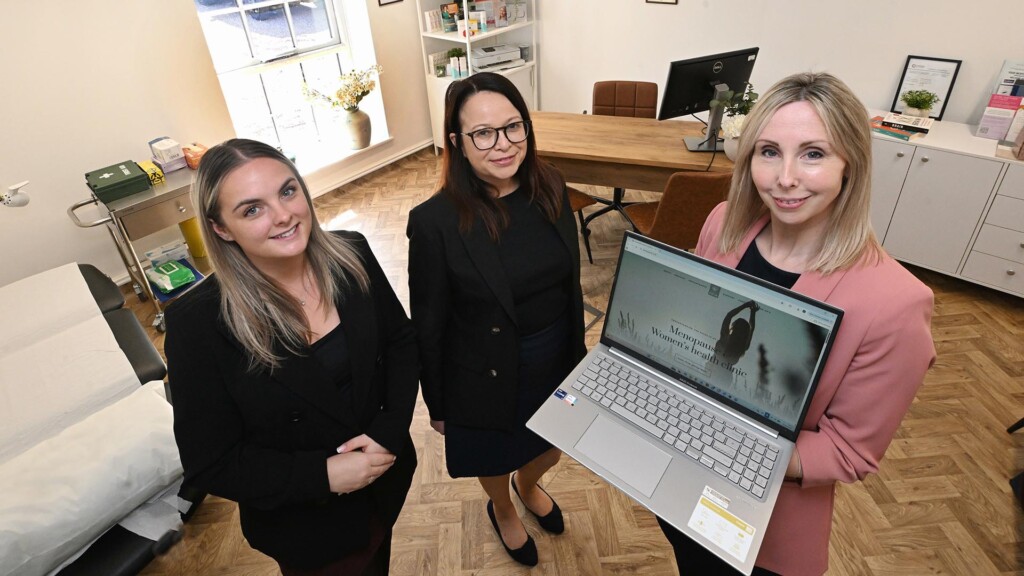
Time to Pause relocates to specialist women’s health base in Warwickshire
Time to Pause, a specialist menopause and women’s health clinic, has relocated to a premium rural workspace in south Warwickshire designed to enhance patient comfort and wellbeing. Founded by Rebecca Jacques in 2023, the clinic moved into Stockton House after outgrowing its initial base near Balsall Common. The move to the site, owned by The Wigley Group, was driven by a desire to find a setting that better reflects the calm and personalised nature of the care provided to patients.
The clinic offers appointments lasting up to 45 minutes, which is significantly longer than the standard GP consultation, allowing for more comprehensive and tailored support for women. Jacques, a registered GP and member of the British Menopause Society, launched the service to address a perceived gap in local provision for women seeking in-depth care. The new location is positioned to serve patients across south Warwickshire and west Northamptonshire.
The transition to the new facility involved collaboration with the site operators to ensure the workspace met all necessary medical standards. Jacques noted that the inviting interior and peaceful atmosphere are essential for helping patients feel relaxed, particularly those who may be experiencing anxiety regarding their symptoms.
“Stockton House has such a calm and welcoming atmosphere, and that really matters when many of the women coming to see us may already be feeling anxious,” she said.

Care homes cut falls and response times
Care homes across Lancashire and South Cumbria have recorded a significant reduction in falls after adopting AI-enabled smart lighting technology. The independent assessment found that falls were reduced by around 32% after care homes introduced Nobi’s AI-powered smart lights. The technology was installed across approximately 800 rooms in residential and nursing care settings, specifically supporting older residents at high risk of falling.
The evaluation also showed that average response times to incidents fell from more than 11 minutes to under three minutes, helping to reduce the likelihood of serious injury. Additionally, ambulance call-outs from participating care homes decreased by around 23%, with fewer residents requiring conveyance to hospital. The programme was delivered as part of a coordinated digital care initiative, with outcomes assessed using real-world data from care homes, ambulance services and frontline staff feedback.
Alongside the direct reduction in falls, the evaluation highlights the growing role of preventative technologies in easing pressure on stretched care services. By providing staff with information on how a fall occurred, the system helps clinicians make environmental changes to prevent future incidents. The findings suggest potential cost savings for the wider health and care system, driven by fewer emergency responses and hospital transfers, while improving the quality of life for residents.
“Prevention is key to reducing falls, and the information that Nobi has been able to supply to staff has resulted in changes being made to the environment, which is why this technology has been so significant in keeping people safe,” said Andy Knox, medical director at NHS Lancashire and South Cumbria ICB.
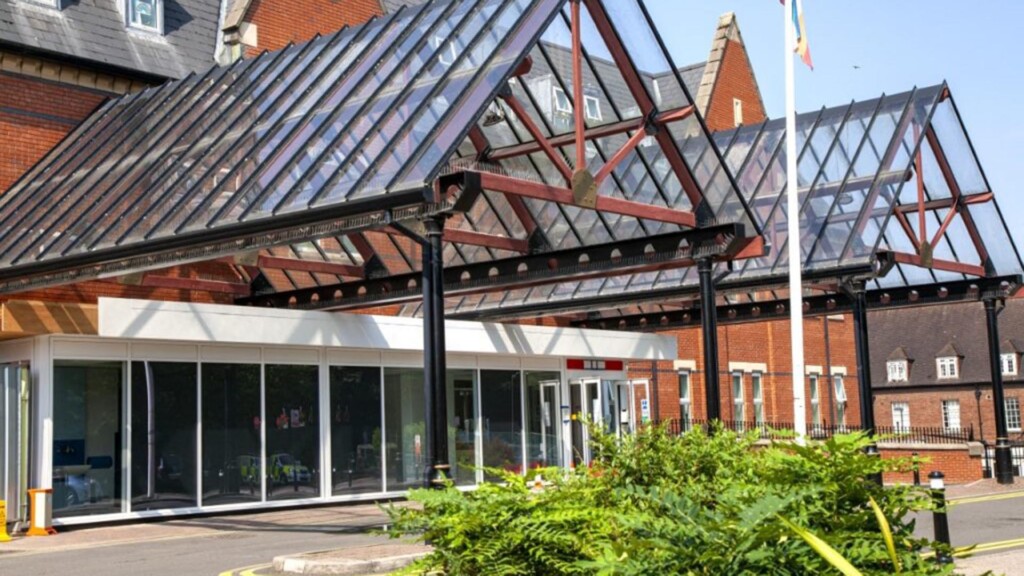
WWL and Altera Digital Health streamline the Acute Abdomen Pathway
Wrightington, Wigan and Leigh Teaching Hospitals NHS Foundation Trust (WWL) has embedded national clinical guidance into its Altera Sunrise Electronic Patient Record (EPR) to optimise the acute abdomen pathway.
Previously, the trust’s pathway was hindered by a paper-based system and inconsistent communication, which often led to delays in patient care. By integrating National Emergency Laparotomy Audit (NELA) guidance into the digital platform, the trust has streamlined critical processes and ensured that clinicians are prompted to follow best-practice protocols.
The digital transformation has delivered significant improvements across several key metrics, including 100% compliance with documentation standards and 100% completion of reviews for high-risk patients. Notably, the reporting of urgent CT scans within one hour has increased from 41% to 76%.
The Sunrise EPR platform now provides contextual decision support and one-click ordering for CTs, while integrating NELA mortality risk scoring for early patient identification. This automated end-to-end coverage ensures seamless referrals to specialist teams such as age and complex medicine and critical care outreach.
Looking ahead, the trust plans to expand the NELA nurse role further to enhance recovery and patient feedback.
“Embedding the pathway into our emergency department electronic patient record has substantially improved how we assess patients with an acute abdomen, enabling better risk stratification and more effective organisation of ongoing care,” said Andrew Starkie, accident and emergency consultant at WWL.

PHU launches video-on-demand interpreting service
Portsmouth Hospitals University NHS Trust (PHU) has launched a video-on-demand interpreting service to provide patients and staff with faster access to professional language support. Developed in partnership with interpreting provider Dals, the service allows clinical and non-clinical staff to request a virtual interpreter and receive a connection within minutes.
Previously, the Trust relied on in-person interpretation, which could often take several hours or even days, depending on the availability of a specific linguist. While telephone services provided an on-demand alternative, they lacked the visual cues and non-verbal communication essential for sensitive healthcare discussions. The new video platform bridges this gap, offering support in a wide range of languages, including British Sign Language (BSL), to ensure clear and inclusive communication at the point of care.
The introduction of this technology is expected to improve patient safety and equality by removing delays in gaining informed consent and making urgent clinical decisions. For staff, the system reduces the uncertainty and stress associated with communication barriers in busy environments. This transition to digital, on-demand support aligns with the Trust’s broader commitment to reducing health inequalities across the diverse communities it serves.
“Being able to access a professional interpreter within minutes is a significant step forward for patient experience, safety and equality,” said Matt Powls, chief operating officer at PHU.

International Workplace Group introduces Humanly South Kensington
International Workplace Group (IWG) has launched Humanly South Kensington, a health and wellbeing workspace at 1 Cromwell Place. Introduced this year, Humanly is a brand offering flexible, treatment-ready spaces for medical, therapy, wellness, beauty, fitness and rehabilitation professionals.
The South Kensington site will feature private consultation suites, treatment rooms and physiotherapy spaces, bookable by the hour or day. Humanly provides clinical-grade equipment and professional maintenance, allowing practitioners to launch or expand their practice without the burden of traditional setup costs or long-term commitments. This flexibility enables healthcare professionals to scale their services.
By rolling out these dedicated healthcare locations across city and town centres, IWG aims to make wellbeing services more accessible to local communities. The project, delivered in partnership with South Kensington Estate, reflects a broader shift in aligning property assets with the long-term demand for clinical and diagnostic uses. The location is expected to serve as a flagship showcase for Humanly, demonstrating the potential for integrated healthcare provision to partners both in London and internationally.
“By removing upfront investment and long-term commitments, healthcare and wellbeing professionals in London gain the freedom to build sustainable, profitable practices on their own terms,” said Mark Dixon, chief executive and founder of International Workplace Group.
Doceree unveils Daily Command system for pharmaceutical marketing
Doceree, an AI-powered operating system for healthcare marketing, has introduced Daily Command, new software for pharmaceutical brand, marketing and commercial teams.
The platform was co-built by 75 industry operators from Sanofi, Merck and Eli Lilly. The system aims to replace the fragmented stack of disconnected tools that currently hinders life sciences marketing functions.
The platform is built on three foundations: a clinical-intent data layer, agentic AI and pharma-grade governance. By capturing prescribing-decision signals at the point of care, the system provides recommendations grounded in observed clinical behaviour rather than modelled proxies. The agentic AI modules are designed to run complex workflows – such as market segmentation or drafting regulatory submissions – and provide operators with actionable decisions instead of static dashboards.
Daily Command operates as an open marketplace, allowing brand teams to integrate data partners and agency tools they already trust without leaving the product. The platform will enter a closed beta in June with five flagship manufacturer and agency partners, including Avalere Health. A full industry release is scheduled for mid-July.
Nuffield Health targets £2 billion in Social Value by 2030
Nuffield Health has set a target to deliver more than £2 billion in social value from its free community programmes by 2030. The announcement follows the charity’s 2025 Social Impact Report, which shows that its clinically designed exercise programmes generated £166 million in social value last year – an increase of 33% compared to 2024.
The report highlights that over 25,000 individuals benefited from these structured health initiatives, which combine clinical expertise with fitness to improve quality of life for those with long-term conditions.
The charity’s integrated approach is delivered through initiatives like the Joint Pain Programme and the recently launched Long-Term Conditions Programme. Accessed via clinical referrals, these programmes aim to support patients living with a wide range of debilitating symptoms while simultaneously reducing pressure on the wider health system. Last year, Nuffield Health’s activities contributed to significant system-wide benefits, including the avoidance of 25,000 GP appointments and the prevention of 81,000 sick days.
Looking forward, the organisation plans to scale its impact by expanding access for patients with limited resources and broader health needs. By turning academic research into practical community support, the charity aims to help more people return to better health while easing the burden on carers and primary care services.
The organisation currently operates a network of 35 hospitals and 110 fitness and wellbeing centres across the UK.
“Nuffield Health has a unique combination of capabilities in healthcare and fitness, and the combination of these in our free community programmes is bringing world-leading support to transform the lives of many people,” said Nuffield chief executive Alex Perry.