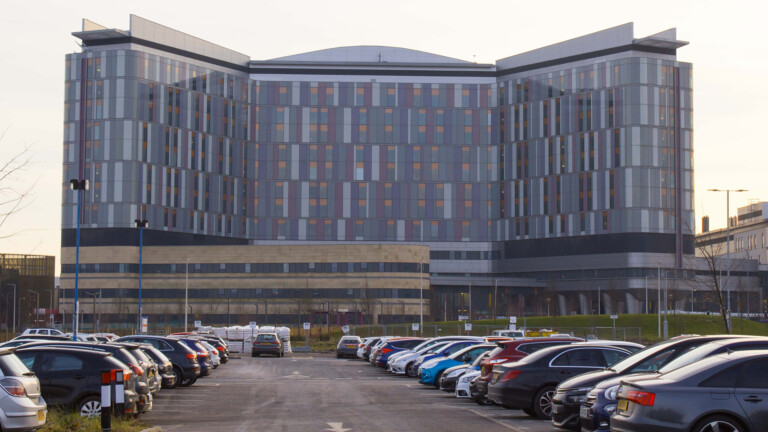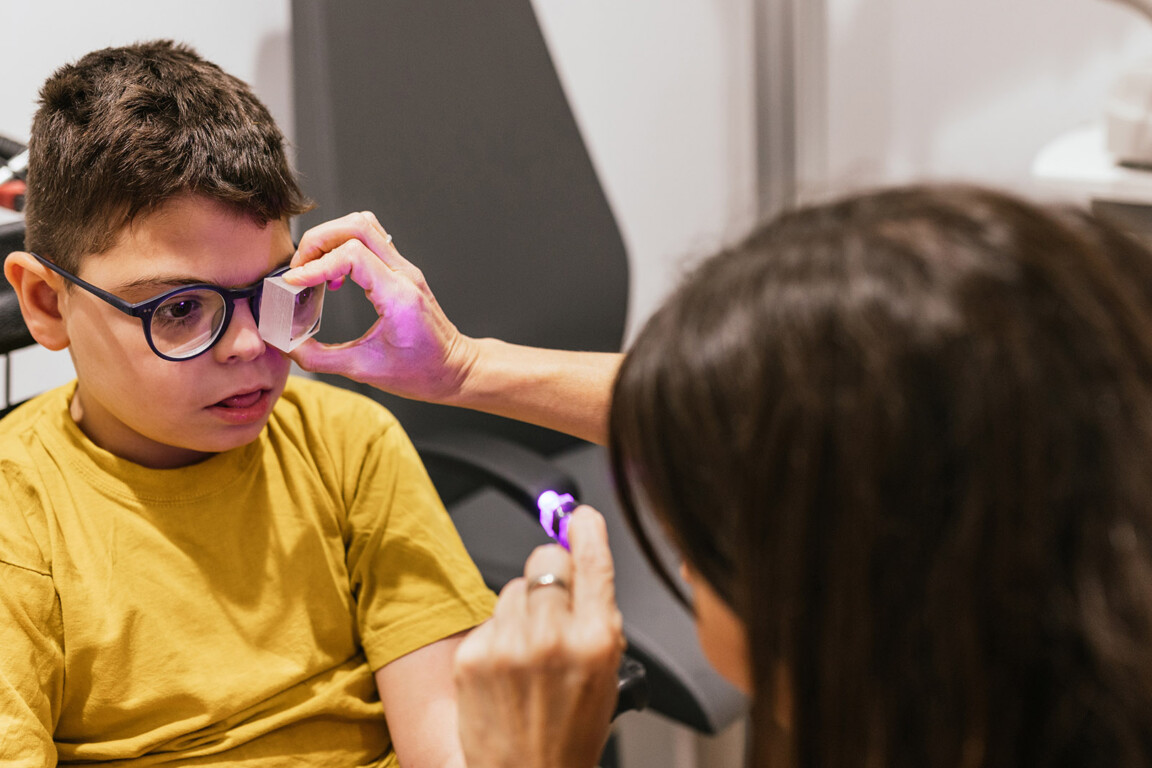
The latest innovations in healthcare, including Cardiff’s first integrated women’s health hub, early lymphoedema intervention, special schools vision service, AI in emergency departments and sleep apnoea.
Cardiff launches capital’s first integrated women’s health hub
A specialist clinic providing perimenopause and menopause support has opened in Cardiff, marking the first facility of its kind in the capital city. The East Cardiff Menopause Hub is specifically designed for women aged 40 to 65 and offers a centralised location for patient-centred advice, clinical treatment, and community-led support.
The facility is part of a wider network of pathfinder hubs being established across Wales as part of the initial phase of the government’s Women’s Health Plan. By March, a pathfinder hub will be operational in every health board in Wales, supported by an additional £300,000 in funding per board for this financial year.
“Too many women feel unsupported or unheard when seeking help for the symptoms of menopause,” said Claire Beynon, executive director of public health at Cardiff and Vale University Health Board. “The East Cardiff Menopause Hub is a really positive step in bringing high-quality, compassionate care closer to home, with longer appointments and specialist expertise focused on women’s health needs,” she added.
Women registered with the East Cardiff GP Cluster can now access extended 20-minute consultations, which are delivered face-to-face, via telephone, or through online platforms. This flexible approach is complemented by a “Menopause Café” and guidance from practice nurses on hormone replacement therapy and lifestyle changes, aiming to ensure women feel informed and in control of their health.
New clinical partnership targets early lymphoedema intervention
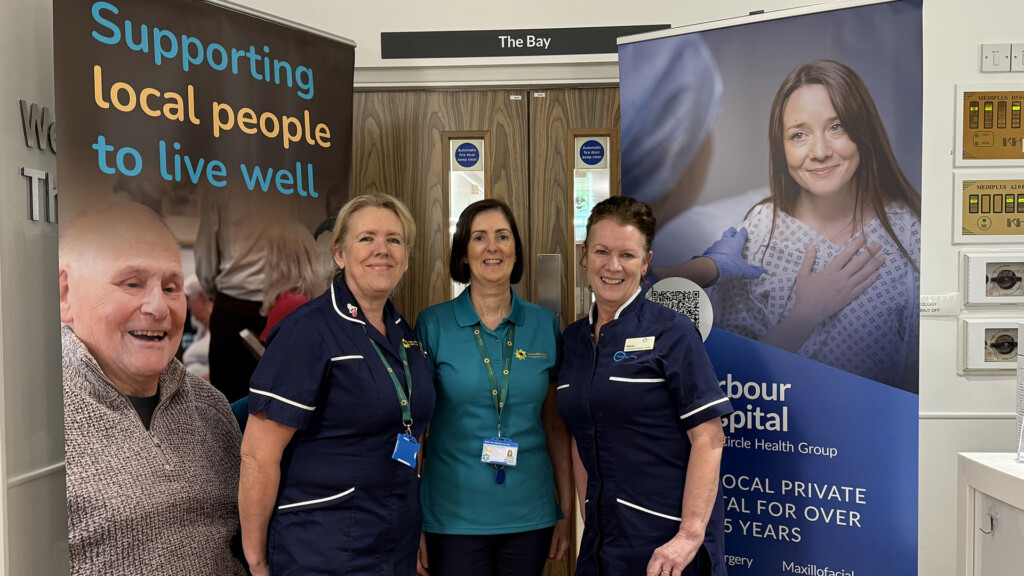
Lewis-Manning Hospice Care and Circle Health Group have announced a strategic initiative to provide specialist lymphoedema services at the Harbour Hospital in Poole. Launching in March to coincide with Lymphoedema Awareness Month, the partnership combines charitable and private healthcare expertise to improve early access to education and preventative care for patients across Dorset.
The service specifically targets individuals undergoing cancer treatment – particularly breast cancer patients – who may be at risk of developing lymphoedema. By offering structured support before surgery and throughout recovery, the initiative follows an anticipatory care model designed to empower patients to manage their health confidently from the outset of their medical journey.
“Our new partnership is a natural extension of the anticipatory care model we work to at Lewis-Manning. We’re focused on offering the right support early and empowering people to feel confident in managing their health,” said Laura Adams, director of clinical services at Lewis-Manning Hospice Care.
The programme features a series of integrated sessions led by clinical experts, covering lymphoedema education, self-management techniques, and nutrition advice. This collaborative model aims to create smoother care pathways and ensures that specialist knowledge is brought directly into the hospital setting, with patient feedback playing a central role in the long-term evolution of the service.
Special schools vision service launches in Essex
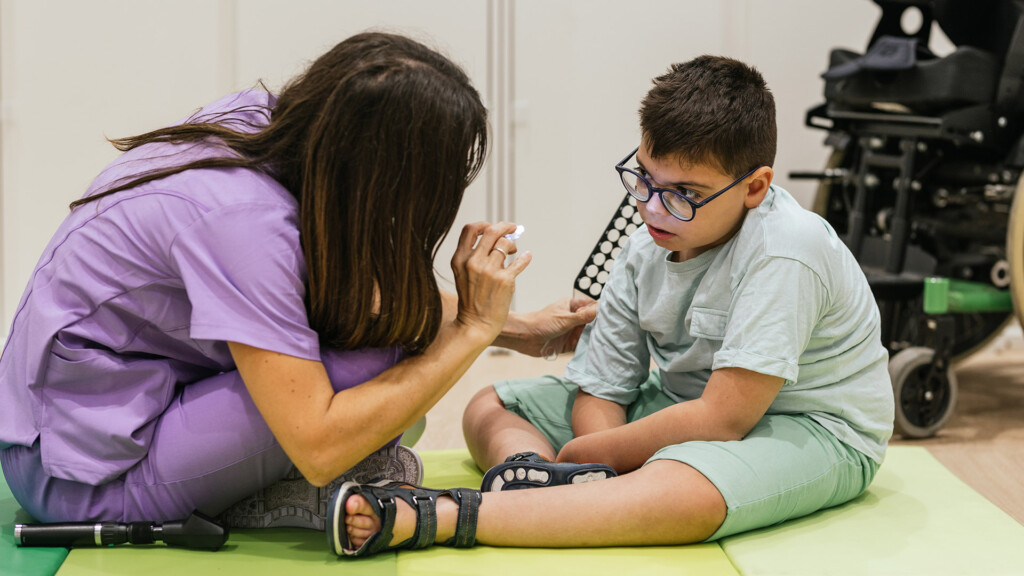
Primary Eyecare Services has introduced “Bright Sight”, an eye care programme designed for children with learning disabilities and autism across Mid and South Essex. The service, commissioned by the NHS Mid and South Essex Integrated Care Board, is the first initiative in the country to provide an integrated model of school-based eye care.
The programme addresses significant barriers to traditional clinic-based care, such as overstimulation and travel anxiety, by delivering enhanced sight tests on-site in familiar school environments. Specially trained optometrists use adapted testing methods and specialist equipment to ensure accurate assessments for pupils who are statistically 28 times more likely to experience serious vision problems than their peers.
Gavin Rathmell, head of special schools at Primary Eyecare Services, noted that early identification is crucial for a child’s learning and wellbeing. “By working together with schools, families and healthcare teams, we aim to make a real difference for these pupils,” he said. The service also includes specialist spectacle dispensing and vision advice tailored for teachers and families.

Royal Devon pilots AI voice technology in emergency departments
The Royal Devon University Healthcare NHS Foundation Trust has launched a 12-month pilot to evaluate Ambient Voice Technology (AVT) within its emergency departments. Supported by NHS England, the project uses speech-to-text artificial intelligence to capture consultations and automatically generate accurate clinical notes and letters for clinician approval.
The pilot aims to reduce the documentation burden in high-pressure environments, potentially freeing up significant clinician time and improving patient flow. The Trust has already integrated the technology into its Epic Electronic Patient Record system, and since September, the AI has supported more than 2,700 outpatient consultations with high accuracy and positive patient feedback.
Early projections suggest that once fully implemented, the technology could support approximately 15,000 additional outpatient appointments each year. Adrian Harris, chief medical officer for Digital and Research at Royal Devon, said: “It could transform emergency and urgent care, by allowing clinicians to focus on what they do best – treating patients – while speeding up processes and ensuring that patient notes are accurate.”

Implantable pacemaker technology introduced for sleep apnoea
A sleep apnoea pacemaker has been introduced to the UK, offering a new treatment alternative for individuals with moderate-to-severe obstructive sleep apnoea (OSA). The technology, developed by Inspire Medical Systems, is designed for patients who are unable to tolerate or do not benefit from conventional CPAP therapy, which currently sees a discontinuation rate of 47.7% within three years.
The system uses an implantable device that delivers breath-synchronised stimulation to the hypoglossal nerve, which controls tongue movement. By gently stimulating the nerve in line with natural breathing patterns, the technology prevents the airway from collapsing during sleep without the need for external masks or tubes. Patients activate the therapy themselves before sleep using a handheld remote control.
Reimbursement for the therapy is now being provided by the NHS in several hospitals across England for eligible patients. Ed Holyoak from Inspire Medical Systems highlighted the importance of this shift, saying: “For patients who are unable to tolerate CPAP, this technology offers a fundamentally different approach by targeting the physiological cause of airway collapse.”