 Add us as a preferred source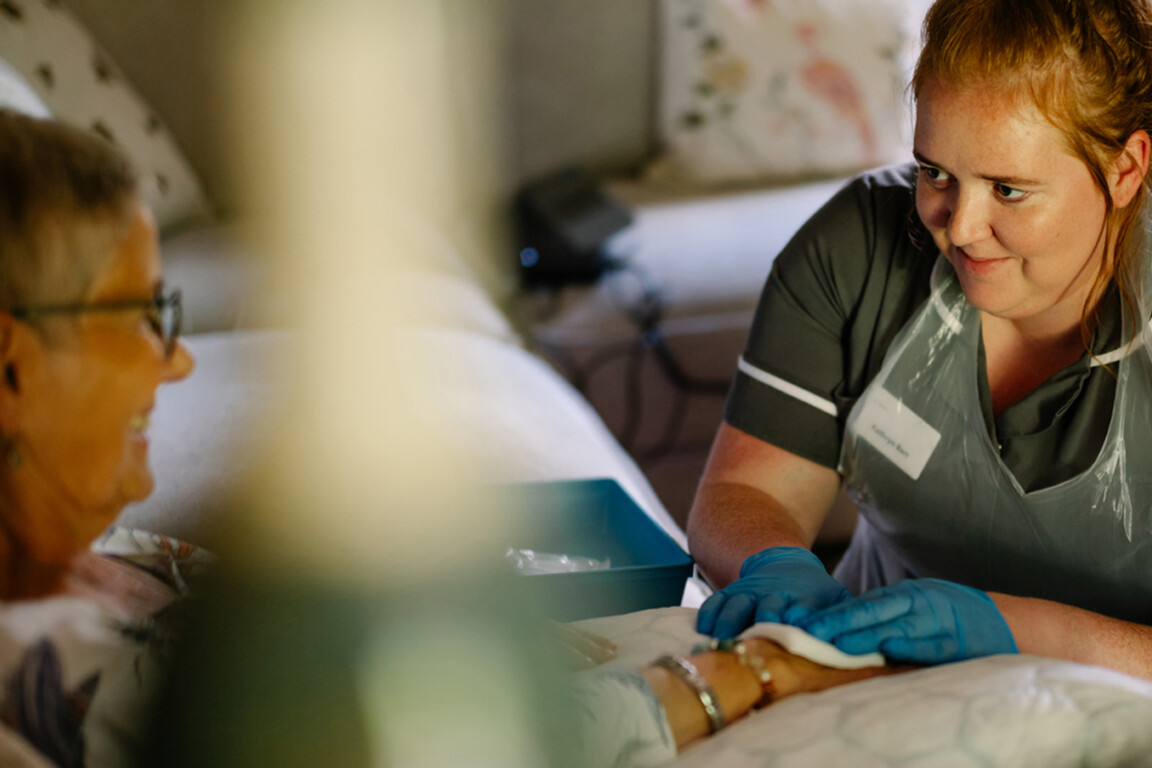
The landscape of private cancer treatment is evolving. Patients are increasingly seeking care models that prioritise quality of life and convenience without compromising clinical outcomes.
For private consultants, integrating cancer treatment at home is not about relinquishing control – it is about extending the reach of clinical practice. It offers a way to deliver Systemic Anti-Cancer Therapies (SACT) and supportive care in a patient’s home, under strict governance frameworks keeping the consultant as the primary decision maker.
Here is how at-home treatment integrates into private pathways, ensuring safety, accountability and seamless coordination.
Understanding the integration model
It is a common misconception that at-home treatment is a separate, siloed service. In reality, cancer treatment at home, functions as an extension of the hospital or clinic.
Treatment at home does not replace the consultant’s role or the need for hospital-based interventions when clinically appropriate. Instead, it operates alongside outpatient clinics, day units, and inpatient care as a flexible ‘ward without walls’.
Clinical leadership
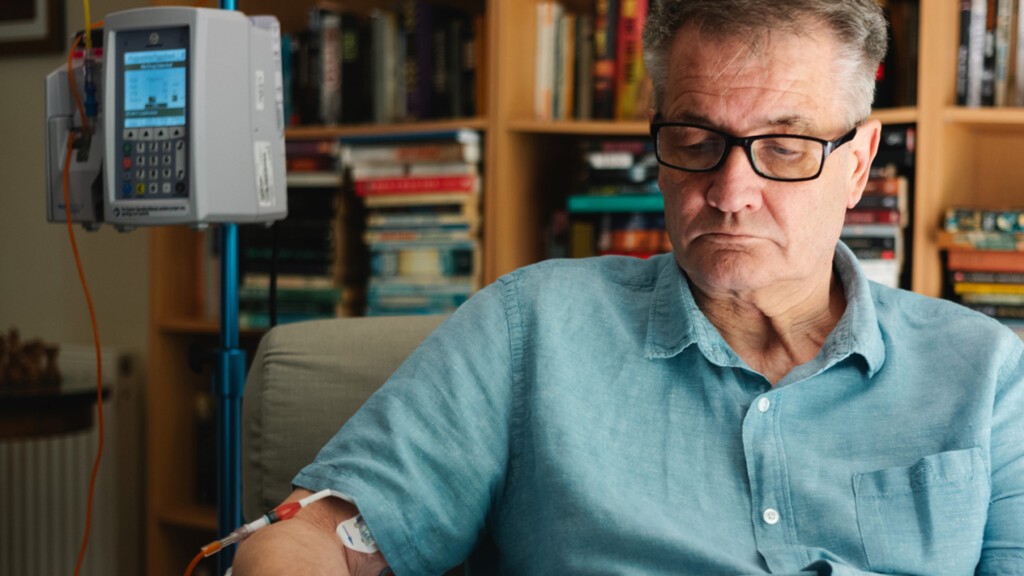
One of the most frequently asked questions is, ‘Will I remain the lead clinician?’ The answer is an unequivocal yes. The consultant remains the responsible clinician. Clinical treatment at home operates under consultant direction, in accordance with their authorised protocols.
With treatment plans, consultants determine the regimen, dosage and schedule. Any changes to therapy such as dose reductions, delays or changes in therapy remains their clinical decision. With regards to escalation, consultants set the parameters. Interventions are escalated via the agreed bespoke escalation pathways.
Where clinical treatment at home fits in the pathway
Clinical Treatment at home is not suitable for every patient, but it offers significant value at specific integration points:
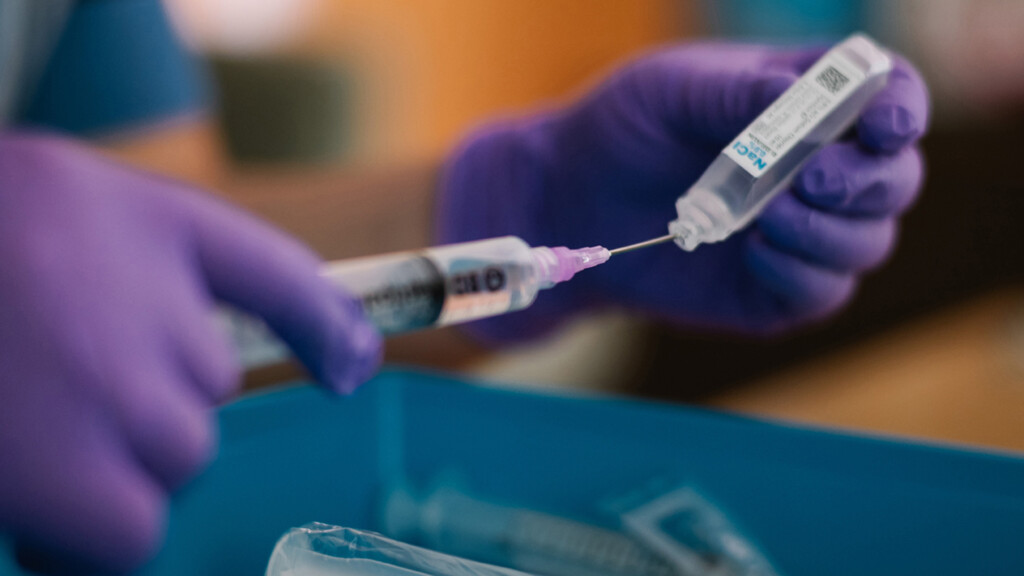
Systemic Anti-Cancer Therapy (SACT): Many subcutaneous and intravenous therapies can be safely administered at home. For example, Lloyds Clinical review all SACT treatments following strict protocols and processes via our clinical governance committee.
Symptom management and supportive care: Integration extends beyond active treatment. Specialist nurses can visit patients to manage central venous access devices and administer supportive medications, as well as providing holistic care and support.
Mitigating treatment fatigue: For patients, the cumulative burden of travel and hospital waiting times can lead to treatment fatigue. Integrating home visits can significantly improve the patient experience and treatment adherence.
Governance, safety and escalation
In England, providers of at-home cancer treatment are regulated by the Care Quality Commission (CQC), meeting rigorous standards for safety and effectiveness. Highly trained clinical teams have the expertise and equipment to respond as they would in hospital.
When integrating clinical treatment at home, the consultant should expect rigorous clinical governance with protocols that align with UK Oncology Nursing Society (UKONS) guidelines and national best practices. Defined escalation pathways give clear, pre-agreed routes for managing acute reactions or clinical deterioration. Audit and reporting are transparent with clear reporting of incidents, outcomes, and patient satisfaction data.
Communication and information flow
A robust private pathway relies on seamless information exchange. Consultants know what is happening with their patients in real time. Effective processes combined with digital technology innovations facilitate open and transparent updates and reporting.
Timely updates ensure confirmation when treatment has been administered and immediate notification if it has not. Reporting means clinical notes from home visits are promptly accessible and patient records are complete. Continual feedback ensures regular touchpoints to review patient progress and adjust care plans as necessary.
The benefits of integrating clinical treatment at home
Integrating at-home care offers distinct advantages for both the consultant and the patient.
For the consultant, it offers flexibility, releasing capacity in the day unit or clinic, allowing the consultant to prioritise new or complex patients. Consultants remain in control with complete clinical oversight, with safety and clinical governance at its heart.
For patients, treatment at home removes the strain of unnecessary travel, car parking and hospital visits, freeing up time for patients to prioritise family life and work. Patients receive consistent care from specialist nurses in a familiar environment.
Lloyds Clinical provide specialist clinical treatment outside of hospital in patients homes, for a range of conditions including Cancer and Home Parenteral Nutrition. For further information, visit LloydsClinical.com.