Add us as a preferred source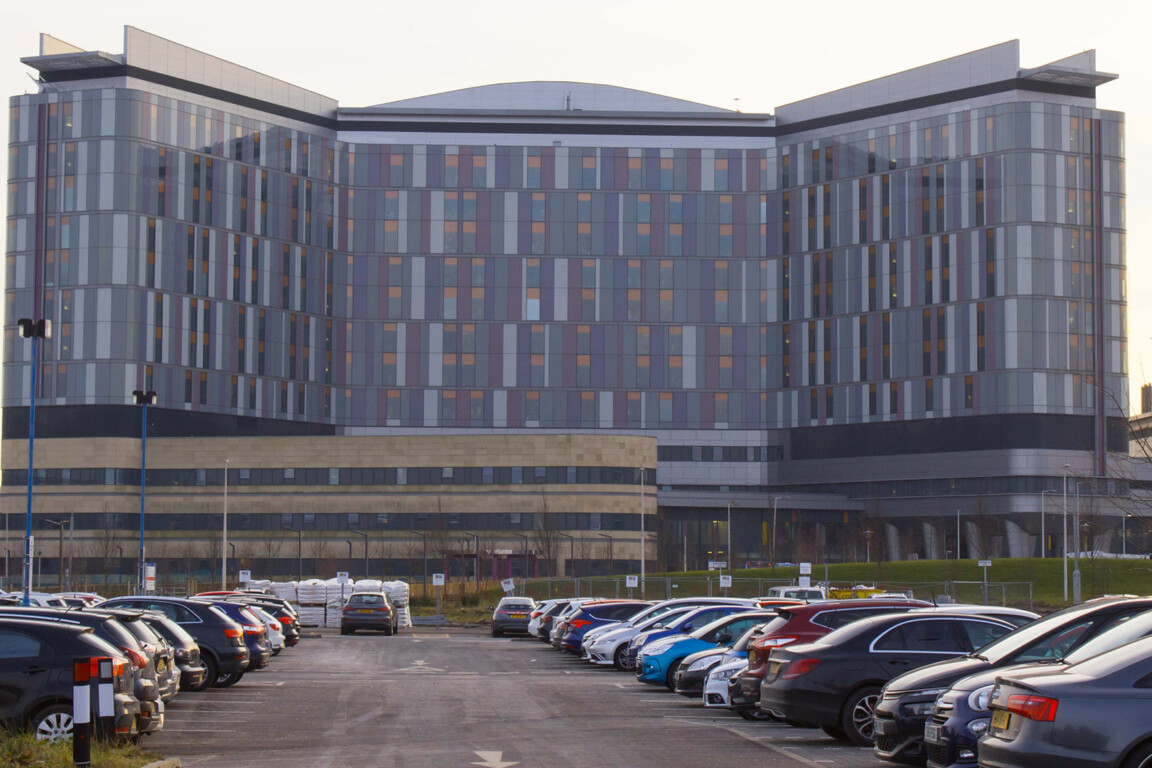
The maternity unit at Queen Elizabeth University Hospital is the latest in Scotland to be criticised for its shortcomings by Healthcare Improvement Scotland.
Problems in maternity healthcare in Scotland show little sign of improvement, with a damning report published by Healthcare Improvement Scotland into Queen Elizabeth University Hospital (QEUH), NHS Greater Glasgow and Clyde.
While much attention has been on the shortcomings of English maternity units and the investigation headed by Valerie Amos, Baroness Amos, new maternity standards were published by Healthcare Improvement Scotland in March.
“They set out a blueprint for what good maternity care looks like and detail the levels of high-quality care and support that all women should expect to receive before, during and after birth,” said Melissa Dowdeswell, director of nursing and integrated care at Healthcare Improvement Scotland.
The intention is to complete on-site inspections of Scotland’s eight major maternity units by the end of the summer, but so far, all of the hospitals that have been investigated have come up short.
The report into maternity services at QEUH do not make for comfortable reading with “a disconnect between staff delivering care and senior managers’ awareness and oversight of the reality of daily pressures within maternity services” as well as “concerns about a lack of civility between different teams” and “concerns relating to general cleanliness of ward areas, poor compliance with some infection prevention control processes, fire safety regulations, medicines management and emergency equipment checks”.
The report makes 26 wide-ranging requirements for improvements, from ensuring timely review for women presenting to maternity assessment to support the safe delivery of care, and compliance with National Infection Prevention and Control Standards, as well as ensuring that maternity services are appropriately and effectively staffed.
Following an initial inspection in late January and a follow-up visit in mid-February, continued concerns about patient safety mean that Healthcare Improvement Scotland has now formally escalated its concerns to the highest level.
“As a result of continued lack of assurance in relation to governance and oversight of patient safety and the impact on the safe delivery of care, we escalated these concerns to the NHS Greater Glasgow and Clyde chief executive and advised the Scottish government,” said Donna Maclean, chief inspector of Healthcare Improvement Scotland.