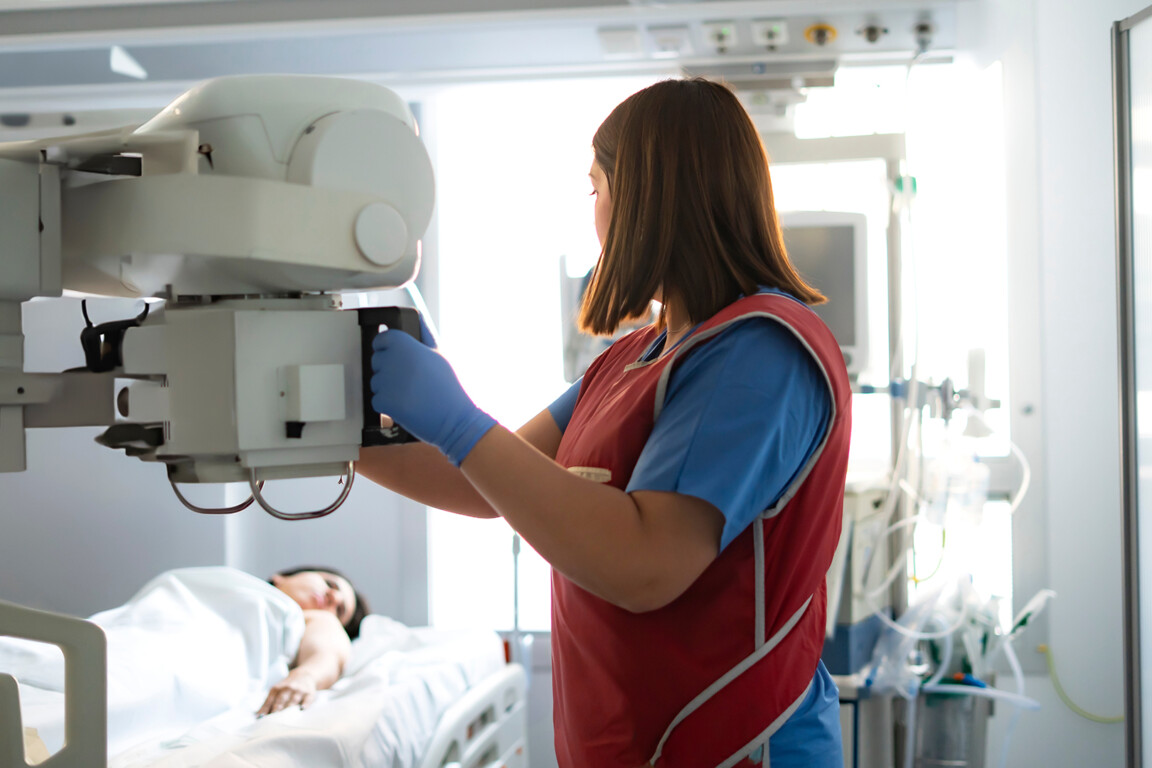
The new guidance streamlines unnecessary steps in the set-up of research studies involving ionising radiation exposures, which causes delays.
The Health Research Authority has published new guidance for the set-up of NHS studies involving ionising radiation and the interpretation of the Ionising Radiation (Medical Exposures) Regulations.
The guidance is for all those involved in the set-up and delivery of research studies involving ionising radiation as part of medical (diagnostic or therapeutic) exposures delivered in the NHS in England, Wales and Northern Ireland.
It has been developed in response to inconsistencies in the interpretation of Ionising Radiation (Medical Exposures) Regulations in NHS organisations’ standard operating procedures. This has resulted in unnecessary steps in the set-up of research studies involving ionising radiation exposures, which causes delays.
“Protecting research participants always comes first, and IR(ME)R is a critical part of that, where studies involve ionising radiation,” said Health Research Authority chief executive Matt Westmore.
“But there isn’t always enough capacity to carry out all the radiation reviews that are needed when they are needed. The HRA supports study-wide radiation reviews that reduce the need for duplicate reviews at site, and provides consistent technical information to help set up and start early. This guidance will help local reviewers make the best use of those national assessments,” he continued.
The inconsistencies were identified by the UK Clinical Research Delivery (UKCRD) programme, a cross-sector programme of work of which the Health Research Authority is part.