Add us as a preferred source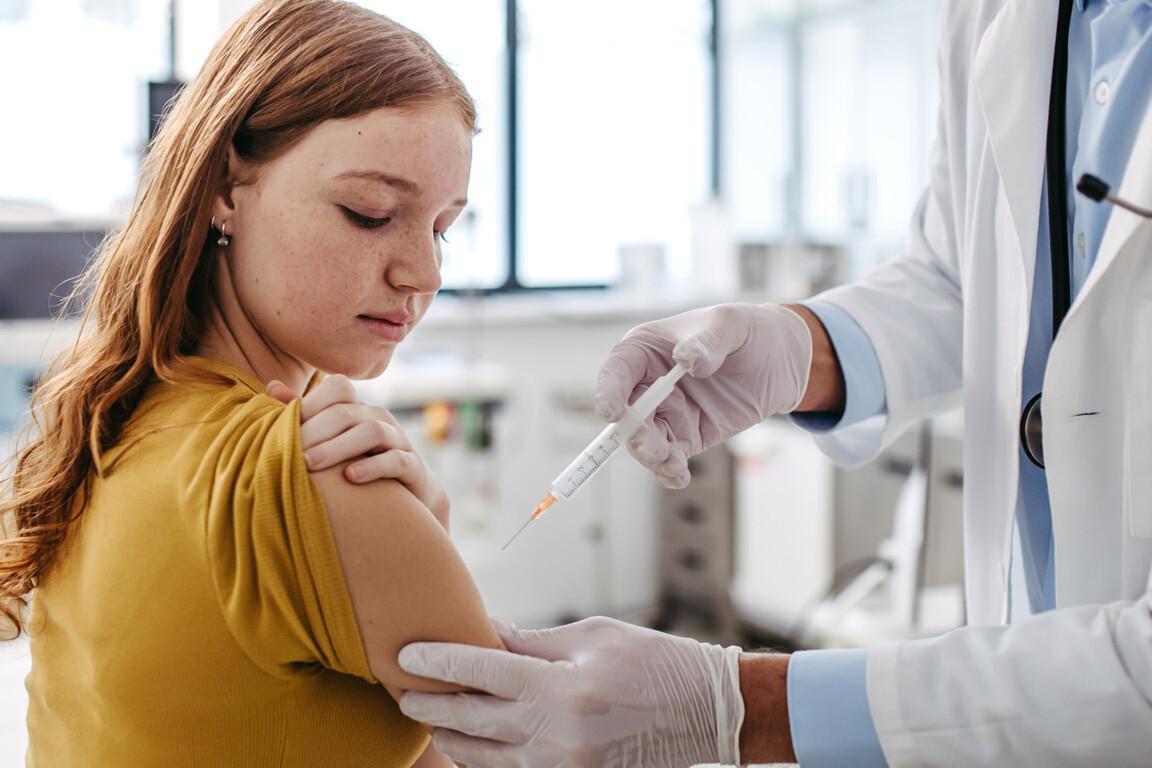
Thanks to the human papillomavirus vaccine, no woman in her 20s has died in England this decade of cervical cancer.
The promising reduction in deaths from cervical cancer across England in the most recently recorded five-year period is because of the human papillomavirus (HPV) vaccine having been rolled out in schools.
Around 90% of women in England in their 20s received the HPV vaccine, usually aged around 12 or 13, when it offers strongest protection.
Now, a study has shone a light on its encouraging impact years down the line. Cancer Research UK took the lead in uncovering the link between HPV and cervical cancer 25 years ago, as well as developing the vaccine.
HPV can infect the skin and cells lining the inside of the body. Most people will have it at some point and clear the infection from their body. But some high-risk HPV types can cause cancer if they stay present for a long time. It’s now known that almost all cervical cancer cases are caused by HPV.
The vaccine helps to prevent cervical cancer by protecting against HPV, tricking the body into thinking it has been exposed to the virus. Then, the immune system produces antibodies to fight against it. If the body is exposed to HPV again in future, the immune system can quickly recognise it and produce the correct antibodies, making it quicker and easier for the body to clear HPV.
Vaccine success stories
The UK introduced the HPV vaccination programme in 2008, and it’s now offered to boys and girls aged between 11 and 13, and in schools, delivered by NHS teams. Women and girls, plus boys born after 2006, can also get the vaccine free at their GP if they didn’t get it at school, until they’re 25.
Around 200 cervical cancer deaths have been prevented so far in England, but it’s still early days and many more are set to follow.
For example, Wales and Scotland join England in ambitions to eliminate cervical cancer as a public health problem by 2040. This is in line with the World Health Organisation’s wider global goal, which includes 90% of girls in the UK being vaccinated before turning 15. But to achieve this, more people will need to receive the vaccine. Nationwide, the current figure is 76-86% of girls who aren’t yet 15.
“It’s incredible to think that a single jab can almost eliminate a particular type of cancer, and this new research shows just how vital it is to keep HPV vaccination levels high so more people are protected,” commented lead researcher Peter Sasieni.
Cancer Research UK is working to make vaccines more accessible, including by dispelling myths that encourage vaccine hesitancy.