Add us as a preferred source
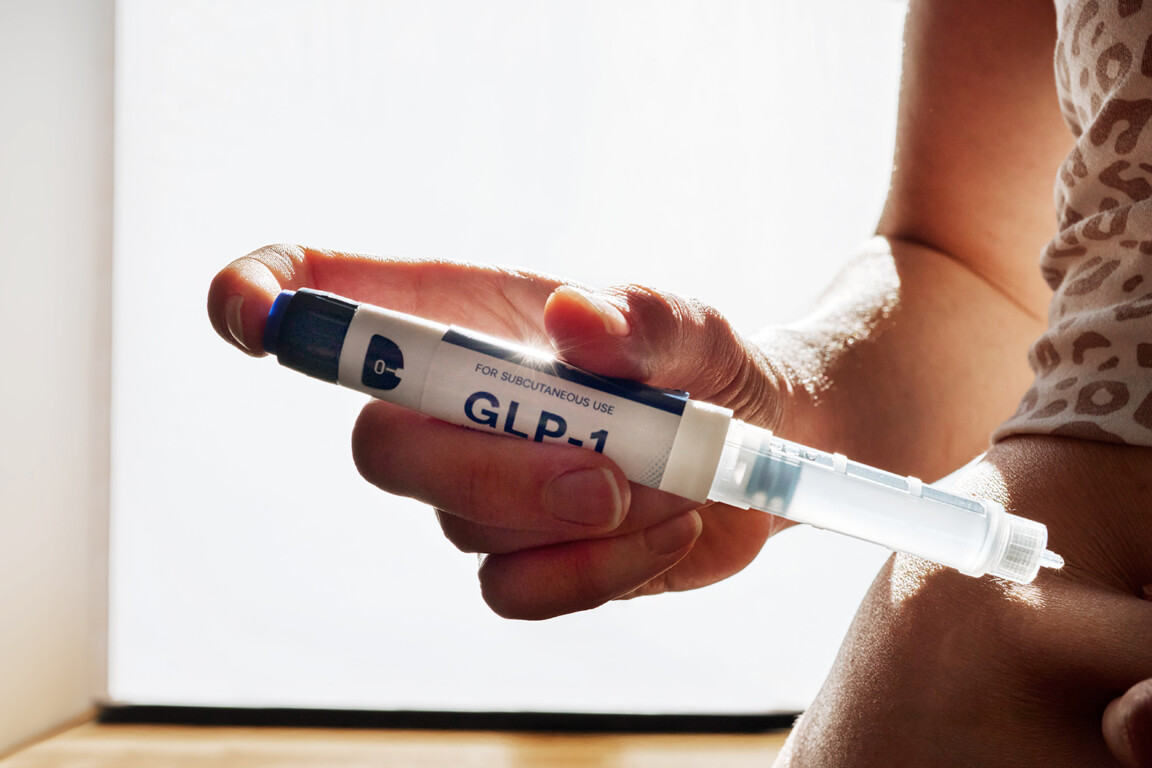
NHS Western Isles prescribed around ten times as much as NHS Shetland, the lowest prescribing board, an ABPI analysis has found.
Research carried out by the Association of the British Pharmaceutical Industry (ABPI) found patients in different parts of Scotland can access new medicines more quickly than others. But part of this variation may be due to avoidable barriers.
In Scotland, the Scottish Medicines Consortium (SMC) decides whether a new medicine works well enough and is good value for the NHS. Once the SMC accepts a medicine, each NHS board decides how to make it available locally. Boards are expected to decide within 90 days whether to add it to their formulary.
The ABPI’s report looked at NHS prescribing across all 14 Scottish NHS boards from September 2020 to August 2025. The greatest variation was found in access to GLP-1 medicines. These are used in NHS Scotland to treat Type 2 diabetes and for weight management. Prescribing rates for cholesterol-lowering medicines were also assessed. It is the first study to compare several types of medicine in this way.
Delays in some areas took longer than a year
By the end of the study period, the Western Isles was the highest-prescribing NHS board, and was prescribing around ten times as much as the lowest-prescribing board, NHS Shetland. The ABPI’s research found the level of diabetes and obesity in each area did not fully explain the gap between the two boards and their prescribing rates for GLP-1. But they did find that in some areas, it took more than a year for these medicines to be added to local formularies.
Other potential mitigating factors outlined in the report included that the boards at either end of the range serve small island populations, where a few prescriptions can make a big difference to prescribing rates. Most NHS prescribing of this medicine class is likely to be for Type 2 diabetes as NHS weight management services are still being introduced in stages across Scotland, the report added.
Prescribing rates for non-statin cholesterol-lowering medicines for patients at high risk of heart attack and stroke also varied. By the end of the study period, prescribing rates differed eight to ten-fold between the highest prescribing (Highland) and lowest prescribing (Forth Valley) NHS boards.
How cholesterol services are set up in Scotland could be contributing to this variation, the ABPI found. Specialist lipid clinics are mostly based in hospitals and are run by small teams. So, NHS boards with clearer links between specialists and GPs generally recorded higher prescribing.
The ABPI’s analysis did not account for differences in patient need or local services. For example, NHS Highland (listed above as the highest prescribing NHS board) has a single lipid clinic serving a large rural area. Its prescribing per person was high, but access may be concentrated among people who live closer to the clinic.
Avoidable barriers slow things down
“Scotland has a strong and respected system for assessing new medicines,” said Victoria Jordan, executive director of patient access at the ABPI. “But this report shows that the use of some accepted medicines can vary widely between NHS boards, and that differences in patient need do not fully explain this.
“While the data we have does not tell us everything, it does show we need to look more closely at this issue,” she continued. “When avoidable barriers slow things down, patients can wait longer than they should for medicines already judged effective and good value.”
The government, NHS, clinicians, patients, academia and industry need to plan and work together to “help make sure national SMC decisions have benefit to patients, wherever they live”, Jordan said.
The ABPI report has made seven recommendations for the Scottish Government and NHS Scotland. These include: earlier planning so that services have the right staff, tests and care pathways ready before the SMC publishes its advice; more openness about local formulary decisions and how quickly accepted medicines are being introduced, extra support and checks for complex medicines that rely on specialist services; a learning system to test whether early planning leads to new medicines being used sooner; and tracking specialised medicines by where patients live, not only where they are treated. The report has also recommended a pilot of protected funding for a small number of high-impact medicines, where local budget pressures could cause delays.
The Scottish government has said it will “carefully consider” the findings of the ABPI’s report.