Add us as a preferred source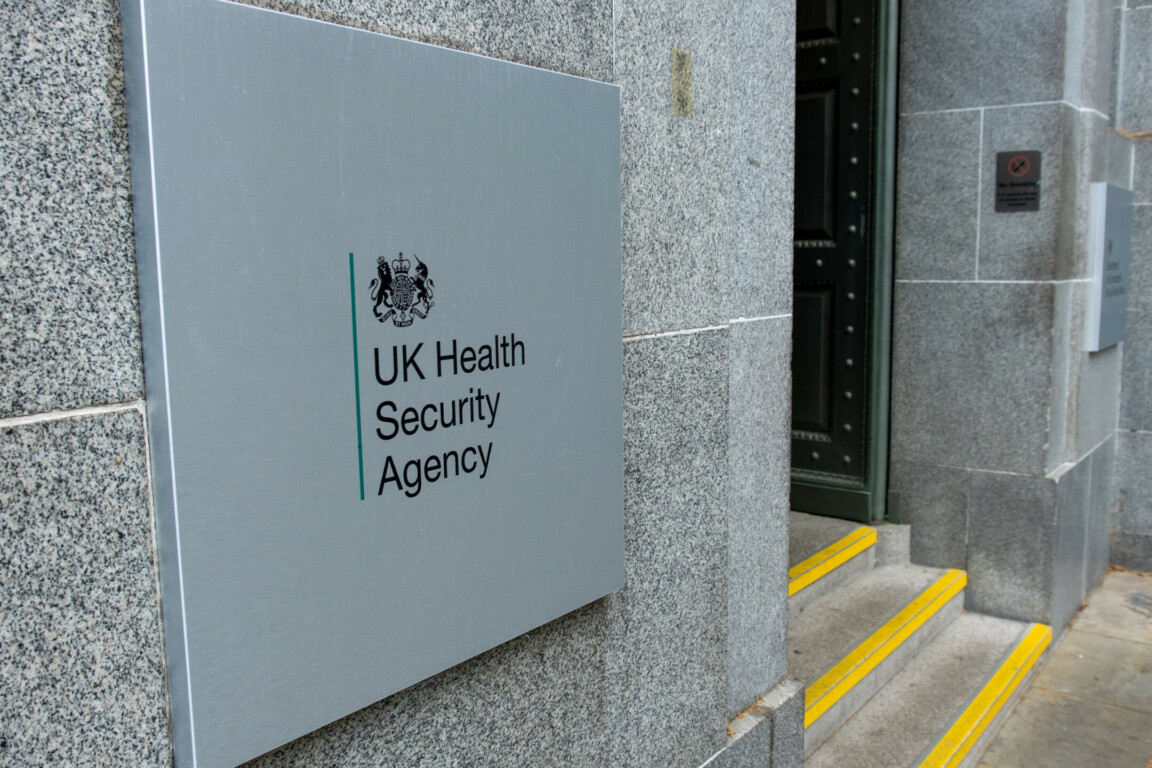
The UK Health Security Agency has said it acted “very, very quickly” following a meningitis outbreak in Kent, in which two young people have died.
Following an outbreak of group B meningococcal disease (known as MenB), thought to have been spread at Club Chemistry in Canterbury, Kent, between March 5 and 7, the UK Health Security Agency (UKHSA) said it has acted “very, very quickly” to identify links between cases.
13 cases of the serious bacterial infection, which can spread through close contact, have been confirmed since March 13, including the death of two people – a sixth form pupil at Queen Elizabeth’s Grammar School in Faversham, and a 21-year-old pupil at the University of Kent.
Dr Gayatri Amirthalingam, UKHSA’s deputy director of immunisation and vaccine preventable diseases, insisted the UKHSA’s response to the public health crisis was not delayed, adding: “It is important to stress that early on there were only individual cases. It requires detailed follow-up to understand the links between them, and that can be challenging, particularly when some patients are seriously unwell.”
Amirthalingam said work to establish connections between cases was carried out rapidly, with links identified within 24 hours. She confirmed that close contacts of meningitis cases at the University of Kent are being offered a course of antibiotics as a preventative measure, which “can be highly effective at limiting and preventing ongoing spread”. Meanwhile, local public health teams were “identifying the closest contacts who would benefit from preventative antibiotics”.
Pop-up antibiotic clinics have since been established at various points across Canterbury, the University of Kent and Broadstairs, with all students and staff living on campus at University of Kent, close household contacts of cases who have been identified by UKHSA or who self-identify as having contact with a confirmed case, Club Chemistry staff and Club Chemistry attendees on March 5-7 all encouraged to receive free antibiotic treatment.
MenB is the most common cause of meningococcal meningitis in the UK, however routine vaccinations were only rolled out in 2015, so current students and late teenagers would not be covered by the virulent strain of which symptoms can include a fever, headache, rapid breathing, vomiting, shivering, seizures, cold hands and feet, and a characteristic rash that doesn’t fade when pressed with glass.

Precautionary measures
More than 30,000 people across Canterbury have been contacted by UKHSA. “Students and staff will understandably be feeling worried about the risk of further cases; however, we would like to reassure them that close contacts of cases have been given antibiotics as a precautionary measure,” said Trish Mannes, UKHSA Regional Deputy Director for the South East.
“Advice and support is being offered to the wider student community, and to local hospitals and NHS 111, and we’re monitoring the situation closely.”
In a message to Kent-based healthcare professionals in response to the outbreak, Dr Kate Langford, chief medical officer at NHS Kent and Medway, said: “There has been a large, coordinated response to this outbreak led by UKHSA after it was made aware of 13 cases of invasive meningococcal disease.
“While many patients will understandably be concerned and NHS services will be under extra pressure as we respond to the issue, I wanted to outline some of the extra steps that are being taken: More antibiotic hubs have been stood up; UKHSA is setting up a helpline number, [open now daily from 9am-5pm on +44 0344 225 3861]; and all questions and concerns from general practice have been sent to UKHSA for clarification.”
Dr Lanford also went on to confirm that all NHS Kent and Midway clinical staff will receive the UKHSA cluster notification and meningococcal disease guidance.
The UKHSA has urged anyone who becomes unwell with symptoms of meningitis and septicaemia to seek urgent medical attention at their closest A&E Department or by calling 999.
“Students are particularly at risk of missing the early warning signs of meningitis because they can be easily confused with other illnesses such as a bad cold, flu or even a hangover,” said Trish Mannes.
“That’s why it’s vital that, if a friend goes to bed unwell, you check on them regularly and don’t hesitate to seek medical help by contacting their GP or calling NHS 111 if they have these symptoms or you’re concerned about them.”