Add us as a preferred source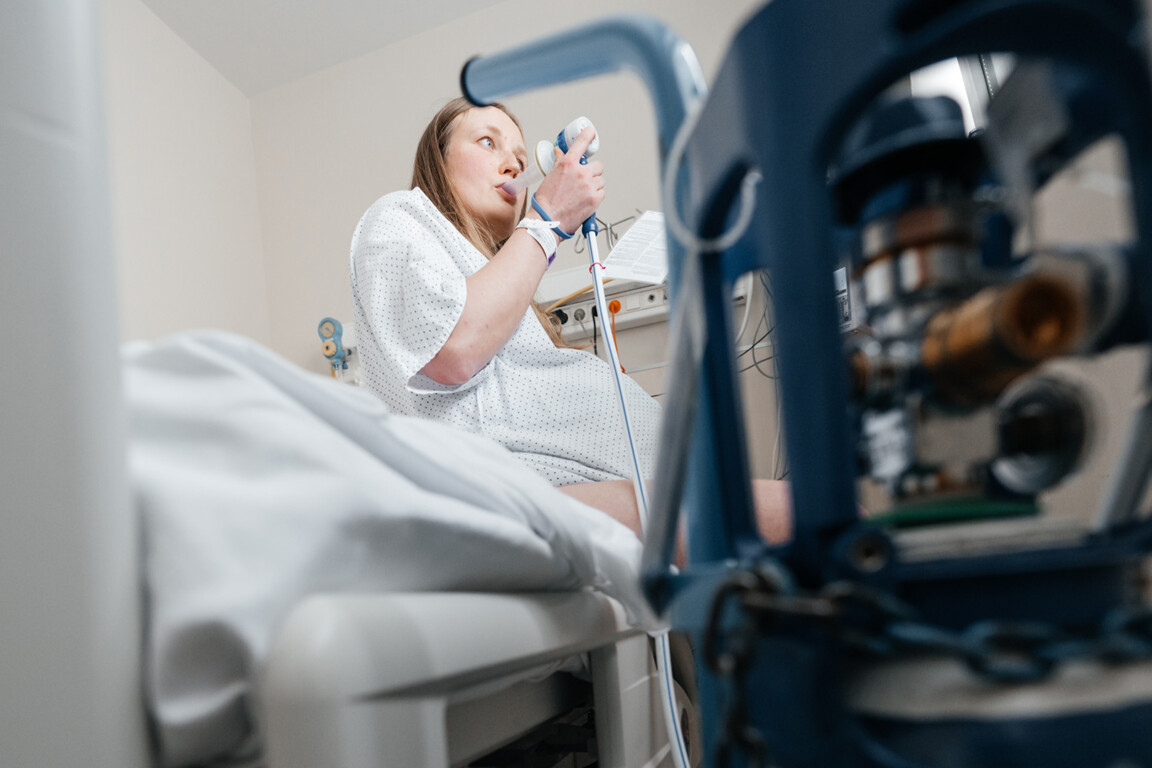
Funding has been secured for a study which will examine how to reduce leaks and clinical waste linked to the use of nitrous oxide by women during labour.
Scientists are to investigate how the NHS can cut the environmental impact of gas and air used by women during labour. The research will look at ways to reduce leaks and clinical waste linked to gas and air, while ensuring women continue to have access to effective pain relief during childbirth.
Led by Lancaster University, the study is one of five projects to have received funding from the National Institute for Health and Care Research (NIHR) under a new £25 million programme to make health and social care more sustainable.
Researchers will work with NHS staff and patients to develop national guidance for hospitals. They will also create a practical guide to help maternity services reduce waste.
Gas and air, known medically as nitrous oxide, is widely used across the NHS and is a significant contributor to healthcare emissions. Researchers say reducing unnecessary leaks could help lower the NHS’s carbon footprint without affecting patient care.
In December last year alone, the emissions from gas and air in the NHS in England were equivalent to 12,622 tonnes of carbon dioxide.
The NIHR has committed £5 million to the first round of projects, with further funding rounds planned over the next five years.
Environmental impact
Other studies focus on reducing waste and improving efficiency across the health and care system.
One project, led by the University of Sheffield, will explore whether the environmental impact of medicines could be considered when assessing new treatments. The aim is to encourage pharmaceutical companies to reduce waste and improve value for money.
Meanwhile, researchers at The Clatterbridge Cancer Centre NHS Foundation Trust are developing sustainable packaging that could allow unopened, high-cost medicines, including cancer treatments, to be safely reused.
Another Lancaster University project will examine whether virtual wards can help reduce emissions by allowing more patients to receive treatment at home rather than in hospital.
A fifth study, led by the London School of Hygiene & Tropical Medicine, will look at how adult social care services can become more energy efficient by shifting support from hospitals into homes and communities.
Sophia Lentzos, NIHR’s head of climate, health and sustainability, said watching the studies get underway is a “hugely important milestone”.
She added reducing environmental impact through cutting waste and “using resources wisely” is a top priority for the institute.