Add us as a preferred source
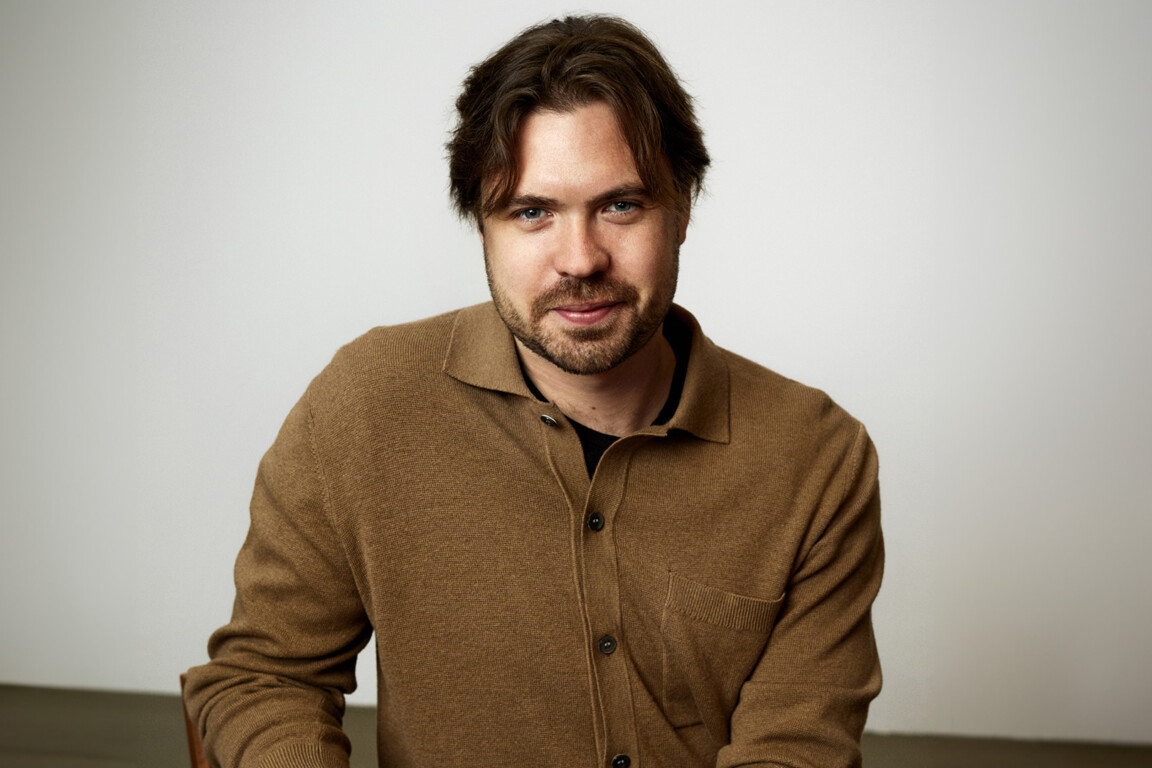
The co-founder and chief technical officer of Tandem Health talks about how large language models are trained and validated, and how they are making doctors’ lives easier.
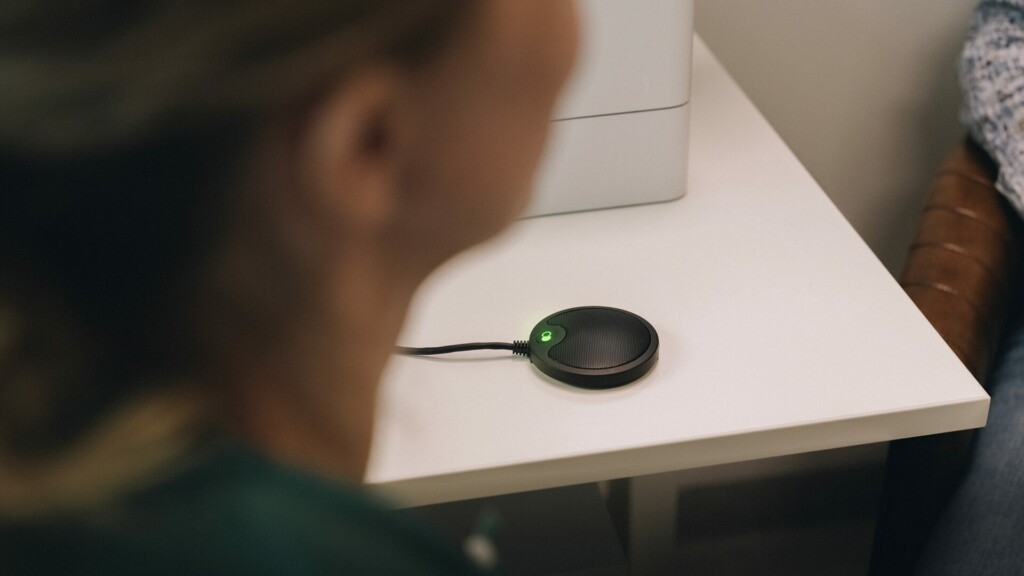
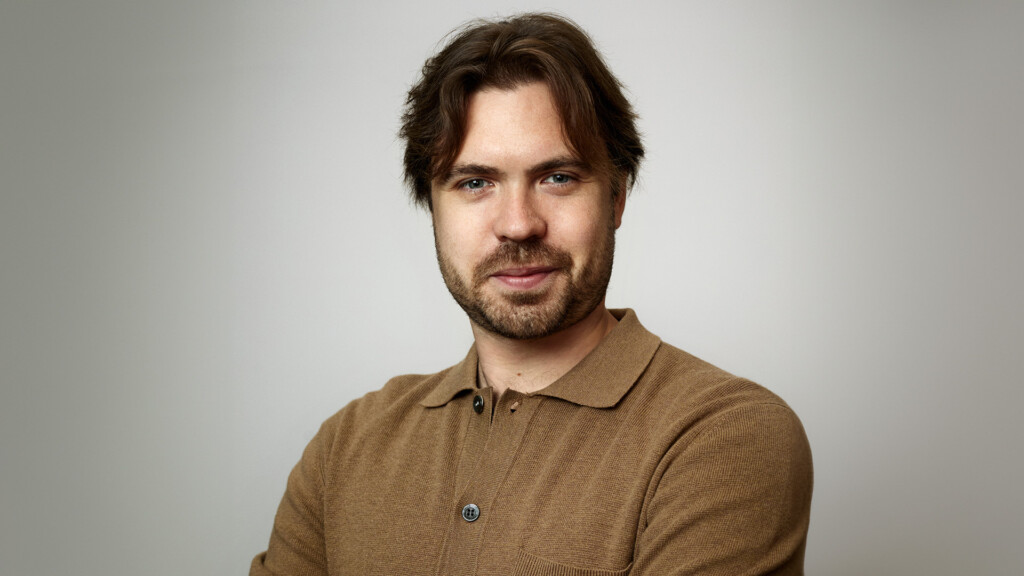
Tandem Health is part of a new wave of AI companies that aim to reduce the administrative burden on doctors and streamline care. Co-founded by chief technology officer Oliver Åstrand, the company is best known for its ambient scribe, which listens during the patient consultation, transcribes it, and automatically generates a draft medical note.
Åstrand speaks to Healthcare Today about why the company was founded, how AI systems are kept safe, and his vision for what a doctor’s day will look like in the not-too-distant future.
What problem did you originally set out to solve when you co-founded Tandem Health?
It’s hard to know anyone who works in healthcare who isn’t constantly talking about the sheer volume of administrative work they face. It’s not what they were trained for, nor is it what motivates them, yet it can consume up to 40% of their working time. Scaled across the world, that burden represents around 3% of global GDP – larger than many entire industries if counted on its own, and all of it is just healthcare administration. Some of this work is necessary, but it shouldn’t demand such vast resources. With the arrival of large language models, much of it – if not almost all – can now be handled by computers rather than humans. That insight became the starting point for Tandem.
How does Tandem’s clinical AI model differ from standard LLM-based tools?
There are countless layers involved in building an AI product, and the crucial point is that the task is to build a product, not an AI model in isolation. Our competitive edge doesn’t come from training models from scratch or reinventing the underlying technology, but from an intense focus on users and on saving clinicians’ time. What sets the company apart is the way the product is developed rather than the technology beneath it. The approach follows the classic Y Combinator principles: listen to users, iterate quickly and refine constantly. A large, highly skilled in-house team of doctors, drawn from across almost every speciality, helps ensure that every aspect is tuned to work effectively for each field the company supports.
How is the AI trained and validated against real-world clinical data?
There are two layers to the way we approach this. The first involves synthetic data. We’ve built a sophisticated system for generating synthetic data that closely mirrors real-world distributions, and because it’s synthetic, we can use it freely to train models and validate the system without limitation.
The second layer uses real-world data for error-prevention. We can detect when the model has made an error, capture it and ensure it isn’t repeated. Every time we make an adjustment, we can verify that the same mistake hasn’t resurfaced. This is how the system continually improves.
What safeguards are built into the system to prevent hallucinations?
We keep iterating on the system because most of the errors I’ve mentioned are hallucinations, or, more accurately, inaccuracies. Over time, we build a catalogue of these inaccuracies and ensure they don’t recur. At the same time, we work continuously to drive the overall error rate down as far as possible. And, crucially, a human remains in the loop to validate the output, which is the most important safeguard against harmful consequences.
How do you handle patient data: where is it processed, who has access, and what’s logged?
It’s a crucial issue, and one we’ve been asked about from the very beginning. There are several parts to the answer. The first is ensuring genuine security. We have always prioritised this and built our systems so that the risk of data leakage is extremely low. That means following security best practice: encryption at rest and in transit, and very tight internal access controls. As a system provider, our most senior engineers may need access in order to debug, but privileges must be actively escalated to do so, and anyone viewing data is bound by strict rules of confidentiality. The starting point is simply to make the system secure in the first place.
The second part is demonstrating that security to customers and earning their trust. That means consistently meeting – and certifying against – the highest standards. Across Europe, we are certified to ISO 27001, and in each country we comply with its strictest requirements: Cyber Essentials in the UK, ENS in Spain, and C5 in Germany, among others.
“When we deploy Tandem in an organisation, the person supporting you will be a clinician.”
How is the tool being used in live clinical settings today?
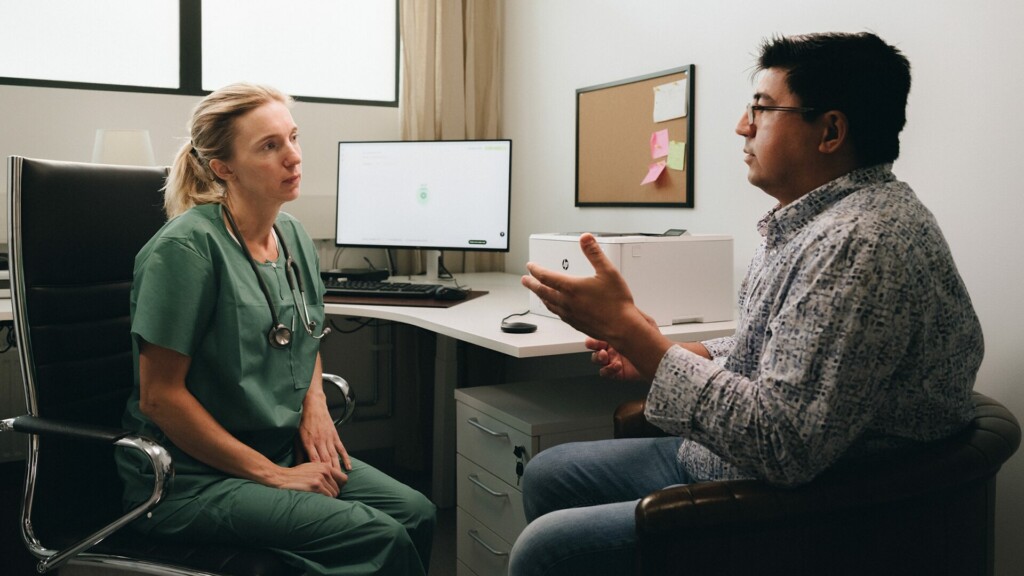
We are now live across virtually all European countries, including the UK, where we operate across a large part of the NHS. Our core product is the medical scribe: it transcribes doctor-patient interactions and produces a draft set of medical notes. Instead of spending ten minutes writing notes from scratch, a doctor can spend around 90 seconds reviewing what the system generates and then transferring it into the record. That is our primary product in active use.
We are also rolling out our coding module, which supports clinicians in selecting the correct diagnosis, treatment and problem codes. These are essential for accurate reimbursement and typically take considerable time to complete; the system helps streamline that process.
In addition, we are developing clinical decision support tools, giving clinicians access to up-to-date treatment guidelines, relevant questions to aid diagnosis, and reliable information to support decision-making. We are also expanding our pre-charting capabilities. Pre-charting is the second-largest administrative burden: preparing for a consultation by reviewing a patient’s history. Older patients can have dozens or even hundreds of past notes and missing a single detail can be dangerous. Large language models can play a major role here. We are building a system that summarises patient histories and extracts the key information.
How do you avoid adding another layer of admin for clinicians – yet another system they have to manage?
There are two key elements here: the technology itself and the human side of change management. On the technology front, we work hard to keep the system as simple as possible, even as it becomes more powerful. The basic steps are always obvious: start the consultation, generate the notes, and transfer the notes. One clear button for each stage. It’s meant to be entirely self-explanatory.
The second element is human change management. Around 80% of our commercial team are clinicians. When we deploy Tandem in an organisation, the person supporting you will be a clinician who understands your working environment and can offer practical guidance on how to embed the system into your daily workflow.
How close are we to the tipping point when AI assistant tools are widely accepted rather than an intriguing novelty?
The real change is that AI in healthcare has shifted from a research topic to a space where the technology now genuinely exists. Ten years ago, everyone could see the potential, but the technology simply wasn’t ready.
That landscape has transformed. We now have an abundance of technology that is already available but not yet widely applied in practice. That is what makes building in healthcare so exciting. You no longer need a vast research department – you need a small number of exceptionally skilled engineers, guided by clinicians, and suddenly you can deliver enormous value across an entire continent.
Where do you see the strongest demand coming from – primary care, specialist clinics, or hospitals?
Demand is high across every part of the care pathway, but the organisations delivering that care differ greatly, which means they move at different speeds. GPs have been the earliest adopters in almost every country we operate in. They tend to be smaller, more agile organisations with heavy documentation demands, a relatively straightforward care environment, and greater autonomy. They are usually sitting at the same desk with their computer, which makes adoption simpler.
Secondary specialist care has been the next group to move. Their needs are broadly similar to primary care – substantial documentation requirements – although they are often slightly larger organisations.
Hospitals have been the slowest to adopt, not because the demand is lower but because their care environments are far more complex and their organisations larger and less agile. It’s a more complex environment and a more complex procurement process, which simply takes longer to get right. But the underlying demand is fundamentally the same.
What is your vision for what a doctor’s day will look like in five years’ time?
From the patient’s perspective, the system begins with a first line of support that directs them to the right point of care. Patients can access this at any time, not just during standard working hours. An AI agent immediately assesses the situation: if it’s an emergency, it arranges an ambulance and directs the patient to the emergency department; if a referral is needed for a specialist appointment, one is generated automatically; if a prescription needs refilling, it is processed; if rest at home is appropriate, that guidance is given; and if a visit to the primary care physician is required, the patient is booked for the earliest available appointment. This ensures that only patients who genuinely need to attend a clinic do so, while everyone else is guided instantly to the correct care pathway.
From the clinician’s perspective, the day begins with a clear summary of each patient: their history, why they are seeking care, and any relevant instructions. This allows the doctor to focus entirely on the examination and diagnosis. During the consultation, they have full access to the latest guidelines to support clinical decisions. Once a plan is made, all administrative tasks are handled automatically.
This approach promises major efficiency gains for the healthcare system and significant benefits for clinicians, enabling them to focus on what truly matters: diagnosing and treating patients.