Add us as a preferred source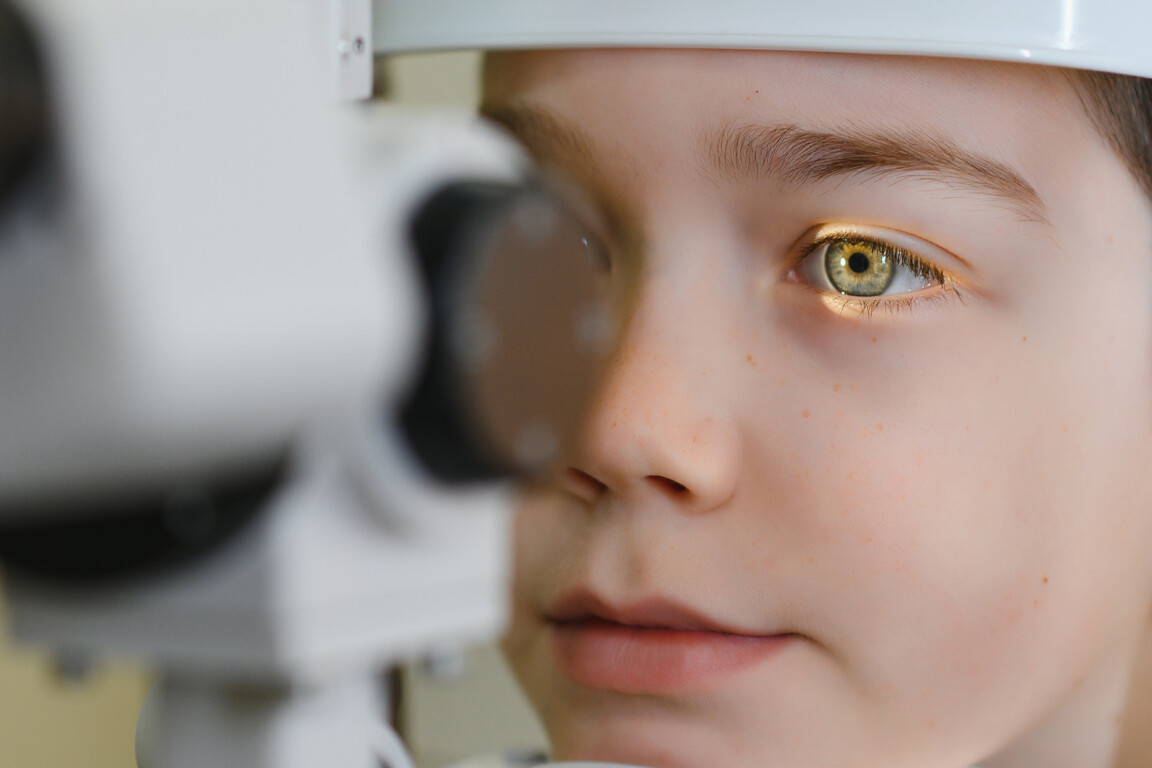
Using a child-adapted form of OCT, clinicians will be able to diagnose and monitor a range of childhood retinal diseases as part of the preventative approach.
Researchers at the University College London (UCL) Great Ormond Street Institute of Child Health are joining forces with Bristol-based start-up Siloton on a project that will use groundbreaking new eye technology to help prevent sight loss in children.
As part of the project, UCL’s child health team will have access to one of Siloton’s pioneering optical coherence tomography (OCT) systems, and this will be modified for children’s use.
OCT is a safe imaging method that uses light to create detailed pictures of the inside of the eye, helping clinicians to identify a range of health conditions and monitor their progress. Currently, its use is limited because existing systems are large, expensive, and are typically only available in hospitals and optometry centres.
Where Siloton’s Akepa device differs is that it compresses a tabletop-worth of heavy, expensive and fragile components onto a single chip smaller than the size of a £1 coin. It’s been designed to work as part of an easy-to-use binocular-style system that makes the diagnosis and monitoring of treatable eye conditions more affordable and accessible. A cohort of adult patients successfully trialled the technology last year.
“The work we have done at the UCL Great Ormond Street Institute of Child Health and at Great Ormond Street Hospital (GOSH) has shown how transformational imaging can be, improving patient outcomes, and patient and family experience,” said Lola Solebo, professor of paediatric ophthalmology and epidemiology at UCL, and a consultant paediatric ophthalmologist at GOSH. “We want to bring this life-changing technology into children’s homes.”
How Akepa will be adapted
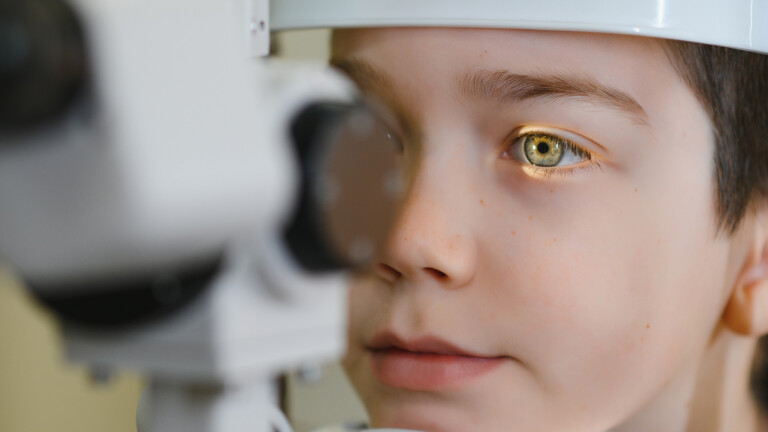
The OCT system will be adapted physically and interactively to make it suitable for young patients. Among the changes, the device’s lenses will be tuned to focus on the right place within children’s eyes, and the casing will be better shaped to their faces to prevent light from affecting the imaging process.
Alasdair Price, the co-founder and chief executive of Siloton, said the company’s patient focus had previously been adults, as age-related macular degeneration is the leading cause of sight loss in the UK.
“But the fundamental principles of imaging the eye are the same, and with the right adaptions, Akepa can work just as effectively for children,” he explained. “Imaging children’s eyes presents different challenges, but the chip-based system we’ve developed could make it easier to capture high-quality images quickly and comfortably.”
He added that making it possible to image outside of a hospital environment could reduce disruption for families and free up clinician time.
“Children can experience a wide range of eye conditions – from diabetes-related issues to inherited diseases and even signs of brain tumours that first appear in the optic disc,” Price said. “By looking at ways to adapt Akepa to paediatric clinical practice now, UCL and GOSH is paving the way for a future where children can benefit from faster imaging, better monitoring and remote assessment.”