Add us as a preferred source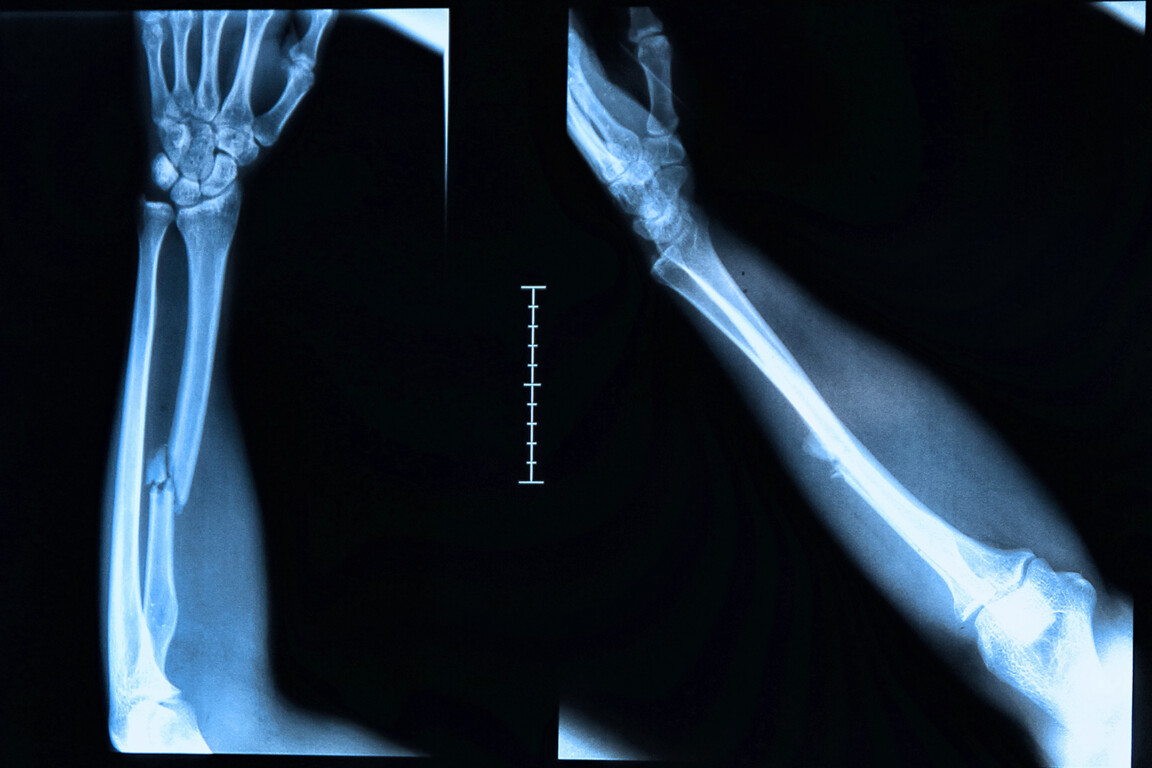
IT medical imaging firm Sectra has rolled out its fracture detection algorithm across all Trusts in Northern Ireland to help emergency departments.
Artificial intelligence is helping emergency departments and minor injury units across Northern Ireland identify bone fractures.
IT medical imaging firm Sectra has rolled out BoneView, a fracture detection algorithm developed by AI firm Gleamer, across all five of the region’s geographic Health and Social Care (HSC) Trusts. This follows a successful trial in the Northern Health and Social Care Trust, where evaluation showed that the algorithm was helping emergency departments read X-rays more accurately, with more clinicians delivering correct diagnoses first time for patients.
Fractures can sometimes be missed from X-rays that are read in emergency settings, resulting in patients being recalled once images are reported by specialist radiologists and radiographers.
“This technology is already making a difference to how efficiently and effectively our emergency departments and minor injury unit clinicians can treat patients,” said health minister Mike Nesbitt.
“With missed fracture rates decreasing significantly, the project is delivering real-time benefits to patients. I’m excited about the potential this project has to improve and streamline workflows, enhance diagnostics and most importantly, improve patient care,” he added.
Increased accuracy
The region’s business services organisation, in partnership with Digital Health and Care NI (DHCNI), commissioned Sectra to provide the complete enterprise imaging solution for Northern Ireland Picture Archiving and Communication System (NIPACS+). The region-wide AI deployment is first to take place in the NIPACS+ Programme, one of the UK’s largest integrated diagnostic initiatives.
“We’ve closely studied how our emergency department clinicians have benefitted… This has helped to increase accuracy in the emergency department to a similar level seen in radiology. The result: fewer missed fractures, improved clinical decisions, enhanced care, and fewer patients being called back,” said Anton Collins, consultant radiologist of the NIPACS+ Programme.
Further uses for AI already being explored could aid in areas including chest x-rays and digital pathology, where potential exists to help clinicians detect diseases and cancers sooner.
The implementation of BoneView is now anticipated to have widespread benefits – and is expected to help clinical teams in the examination of more than 300,000 bone X-rays a year.
“NIPACS+ is a global exemplar in bringing together diagnostic images as an enabler for transforming how services can work together,” said Jane Rendall, UK and Ireland managing director for Sectra.