Add us as a preferred source

This month’s medical research roundup from Asian universities – from kidney failure and premature infants to aggressive breast cancer and craniomaxillofacial injuries.
Australia’s largest dialysis trial puts patient symptoms at the centre of care
Australia’s largest clinical trial involving people receiving haemodialysis for kidney failure has shown the feasibility of embedding electronic patient-reported outcome measures into routine clinical practice across urban, regional, and remote healthcare networks.
Sponsored by the University of Sydney and run through the Sydney Clinical Trials Centre alongside the Australian and New Zealand Dialysis and Transplant Registry (ANZDATA), the Symptom monitoring WIth Feedback Trial (SWIFT) enrolled 2,412 patients to evaluate symptom management and quality of life directly.
The study used registry infrastructure to capture regular patient feedback regarding symptom burdens, delivering real-time data alongside evidence-based management guidance directly to clinicians. While the trial proved that patient-reported outcomes could be systematically collected across geographically diverse settings – including remote centres such as Thursday Island – the automated feedback mechanism increased clinical conversations about symptoms but did not yield measurable improvements in overall health-related quality of life or fatigue levels.
Researchers noted that collecting routine patient data is only the initial step in transforming clinical outcomes for individuals living with chronic kidney disease. The findings highlight a need to establish supportive multidisciplinary care models and responsive health systems capable of acting effectively when patients report severe physical symptoms.
“We found symptom monitoring and feedback increased symptom conversations between nephrologists and their haemodialysis patients but did not improve overall health-related quality of life, or fatigue,” said Rachael Morton, principal investigator at the Sydney Clinical Trials Centre, University of Sydney.
“This tells us that collecting information is only one part of the solution. We also need systems, services and multidisciplinary models of care that can respond effectively when patients report symptoms,” she added.
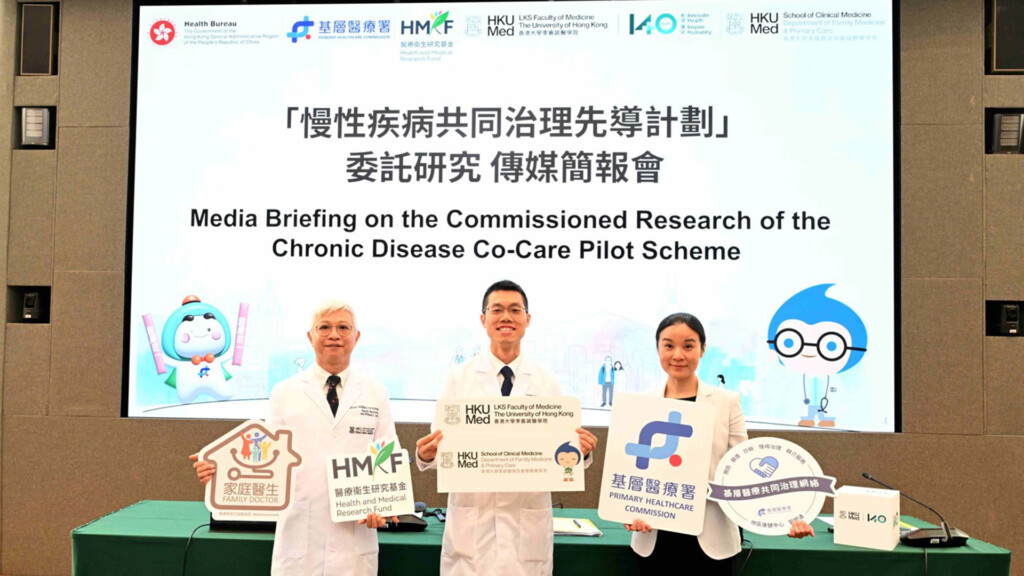
Hong Kong primary care initiative proves effective in chronic disease control
An evaluation carried out by the LKS Faculty of Medicine at the University of Hong Kong (HKUMed) has found that Hong Kong’s Chronic Disease Co-Care (CDCC) Scheme is highly effective in controlling cardiovascular and metabolic conditions.
Commissioned by the Health Bureau of the HKSAR Government, the research showed that 40% of screened participants were newly diagnosed with diabetes mellitus, hypertension, or pre-diabetes, highlighting the initiative’s success in driving early disease detection.
The CDCC Scheme gives eligible Hong Kong residents subsidised cardiovascular disease risk screening through family doctors, alongside multidisciplinary care covering both pharmacological and non-pharmacological management. Since its launch in November 2023, more than 200,000 participants have enrolled. Analysing a one-year follow-up cohort of 5,950 newly diagnosed participants, the research team recorded significant clinical improvements, including a mean reduction in glycated haemoglobin (HbA1c) from 7.76% to 6.70% among diabetic patients, and a mean systolic blood pressure reduction of 14.87 mmHg among hypertensive patients.
Matched comparative analyses revealed that participants with diabetes were 2.8 times more likely to achieve their target HbA1c levels (<7%) compared to non-participants, while over 90% of surveyed enrollees reported an enhanced ability to manage their health.
“The findings highlight the potential of the CDCC Pilot Scheme in supporting preventive healthcare and chronic disease management through primary care,” said William Wong Chi-wai, chair of the department of family medicine and primary care at HKUMed.
“Even individuals who are completely asymptomatic can, through subsidised screening, identify hidden health risks and health hazards early, and manage their health properly,” he added.
Clinical trial examines optimal caffeine dosage for premature infants
Researchers at the University of Melbourne have launched an international clinical trial to establish the optimal caffeine dosage for very preterm infants. The Caffeine Citrate to Improve Neonatal Outcomes (BabyCCINO) trial will compare three commonly used caffeine doses and administration regimens to determine which strategy delivers the safest, most effective outcomes for vulnerable newborns.
Caffeine is a routine treatment in neonatal intensive care units (NICUs), serving as a crucial stimulant to manage apnoea of prematurity – a condition where infants born more than two months early temporarily cease breathing. While caffeine helps stimulate regular breathing patterns, decreases apnoea episodes, and assists infants in transitioning off mechanical ventilation, clinical dosing protocols vary across healthcare facilities worldwide.
Led by Melbourne’s Mercy Hospital for Women and the University of Melbourne, the study will involve nearly every neonatal intensive care unit in Australia and New Zealand, alongside collaborating hospitals in the United Kingdom.
Supported by an A$3 million National Health and Medical Research Council (NHMRC) grant, Medical Research Future Fund (MRFF) funding, and philanthropic support from Running for Premature Babies, the trial wants to establish standardised, evidence-based guidance for neonatal units globally.
“Preterm babies receive caffeine every day, but we still don’t know which dose delivers the best outcomes. This trial is designed to answer that question and identify the amount of caffeine that gives these babies the best possible start in life,” said trial lead Brett Manley, director of newborn research at Mercy Hospital for Women and professor at the University of Melbourne.
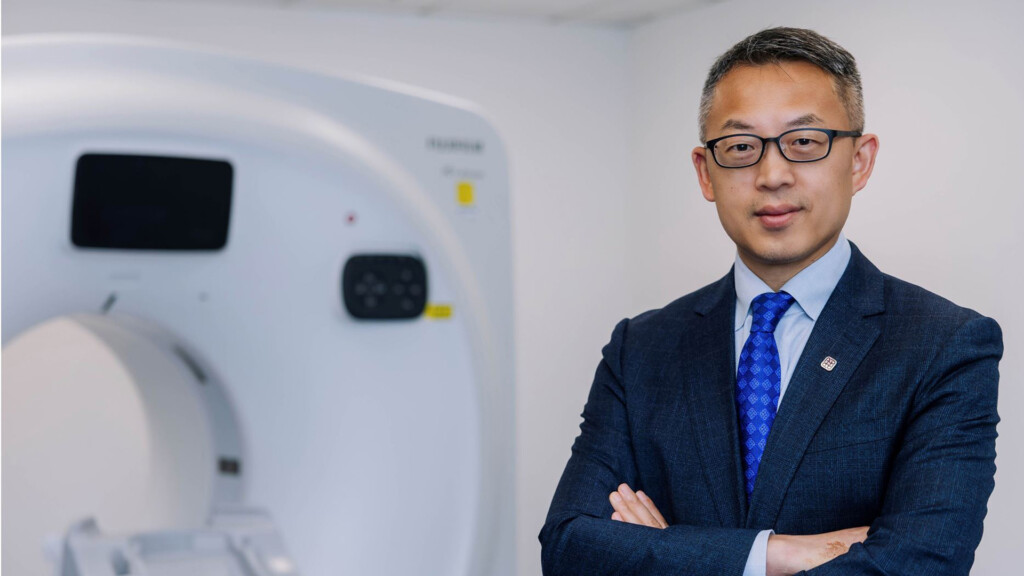
AI-driven imaging index predicts drug response in aggressive breast cancer
Researchers at The Hong Kong Polytechnic University (PolyU) have developed an imaging biomarker capable of non-invasively assessing how breast cancer patients will respond to targeted therapies before treatment begins.
The study demonstrates that the Tumour Heterogeneity Index (THI) accurately identifies patients most likely to benefit from AKT inhibitors and achieves an estimated pathological complete response (pCR) rate of 56.1% among high-scoring individuals.
Using advanced radiomics algorithms, the PolyU research team extracted biological data from routine dynamic contrast-enhanced magnetic resonance imaging (DCE-MRI) scans. The index quantifies the internal structural complexity of tumours, assessing surrounding immune cells and vascular environments to predict therapeutic efficacy and drug resistance. In clinical evaluations involving high-risk, early-stage breast cancer patients receiving the investigational AKT inhibitor MK2206 alongside neoadjuvant chemotherapy, THI outperformed conventional immunohistochemistry testing in identifying suitable candidates – particularly among difficult-to-treat triple-negative subtypes.
Unlike invasive tissue biopsies that sample only localised tumour regions, the non-invasive imaging model evaluates the entire tumour mass while removing the need for repeated procedure discomfort. By offering a reproducible, data-driven approach across standard hospital imaging equipment, the technology could reduce reliance on costly genetic sequencing and spare non-responding patients from ineffective treatments and unnecessary side effects.
“Through THI, we have the opportunity to identify, before treatment begins, patients who are most likely to benefit, while sparing others from treatments with limited effectiveness. This can not only improve overall treatment outcomes but also reduce unnecessary side effects, bringing us an important step closer to truly personalised cancer treatment,” said Cai Jing, head of the department of health technology and informatics and professor of medical physics and intelligent oncology at PolyU.

New Pacific health framework to transform care for children
Improving healthcare access for Pacific children with acute respiratory illnesses requires health systems that understand the cultural, spiritual and social contexts that families navigate when seeking medical attention better, according to a researcher at the University of Auckland.
The study explores the “Fourth Space” – a conceptual framework that integrates traditional Indigenous knowledge, Christian faith and Western medicine to examine how healthcare decisions are made in Pacific communities.
Acute respiratory infections remain a leading cause of illness and mortality among children worldwide. However, existing healthcare delivery models often fail to reflect the lived realities of Indigenous and Pacific families. The research demonstrates that while health systems typically assume patients make choices based purely on biomedical information, Pacific families frequently move between traditional healing practices, religious beliefs and clinical settings according to their immediate needs.
By treating cultural knowledge and spiritual beliefs as peripheral, conventional health services designed exclusively around Western frameworks may inadvertently create barriers to timely medical care. The framework provides health professionals, policymakers, and researchers with a new model to address persistent healthcare inequities across Indigenous populations.
“Too often, cultural knowledge and spirituality are treated as peripheral to healthcare. Recognising the Fourth Space creates opportunities for more responsive and effective care that aligns with the lived experiences of Pacific peoples,” said lead author Dr Sainimere Boladuadua, a public health medicine specialist and doctoral candidate at the University of Auckland.
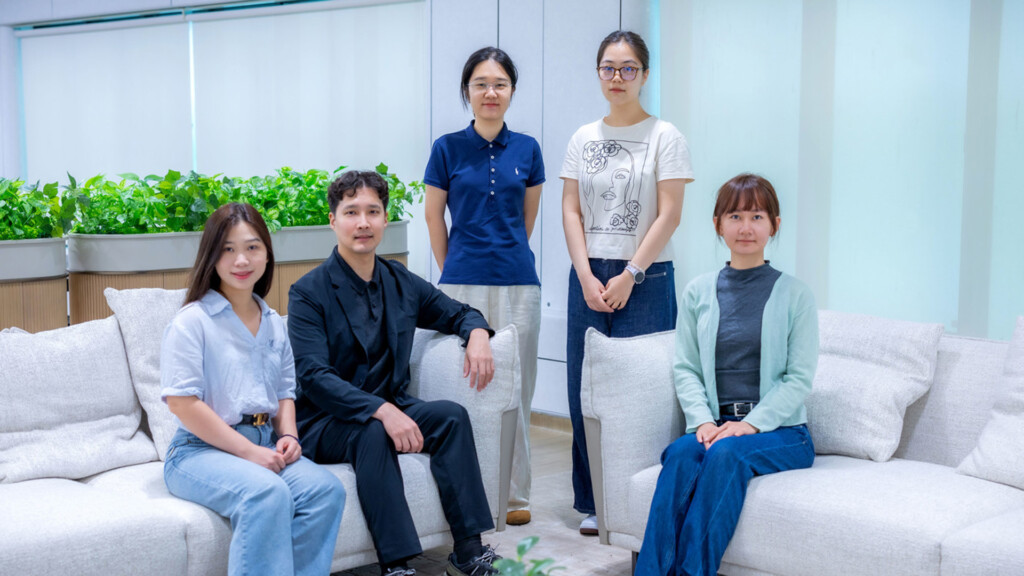
Shape-adaptive hydrogel advances complex trauma reconstruction
A research team from the faculty of dentistry at The University of Hong Kong (HKU), in collaboration with Brigham and Women’s Hospital at Harvard Medical School, has preclinically validated a shape-adaptive hydrogel designed for severe clinical trauma.
The study demonstrates that the biomaterial, named iHEÄLS, can effectively manage complex craniomaxillofacial injuries involving active bleeding, irregular bone defects, and comminuted fractures.
Developed through a molecular architecture comprising polyvinyl alcohol, gelatine and cellulose nanocrystals, the mouldable hydrogel adapts flexibly to irregular anatomical shapes. Unlike rigid implants that require surrounding bone to be reshaped, iHEÄLS conforms closely to wet tissue surfaces. It provides rapid haemostasis, strong tissue adhesion and mechanical resilience. In preclinical models, the material successfully controlled bleeding on bone surfaces and created a biologically supportive microenvironment for progressive tissue regeneration.
The hydrogel also demonstrated an ability to accommodate and stabilise small autologous bone fragments within fragmented fractures, offering a novel solution for comminuted injuries where small pieces are difficult to fix mechanically. Combining Harvard’s biomaterial engineering and HKU’s clinical validation models, the platform establishes a promising translational pathway for emergency reconstructive procedures and severe facial trauma care.
“Our work focused on translating the unique material properties of iHEÄLS into a practical solution for complex craniomaxillofacial trauma, particularly when severe bleeding and fragmented bone make conventional reconstruction challenging,” said Sang Jin Lee, lead researcher and assistant professor in biofunctional materials at HKU faculty of dentistry.