Add us as a preferred source
Coroner warns further lives may be at risk at East Kent Hospitals University NHS Foundation Trust after failings linked to teacher’s death.
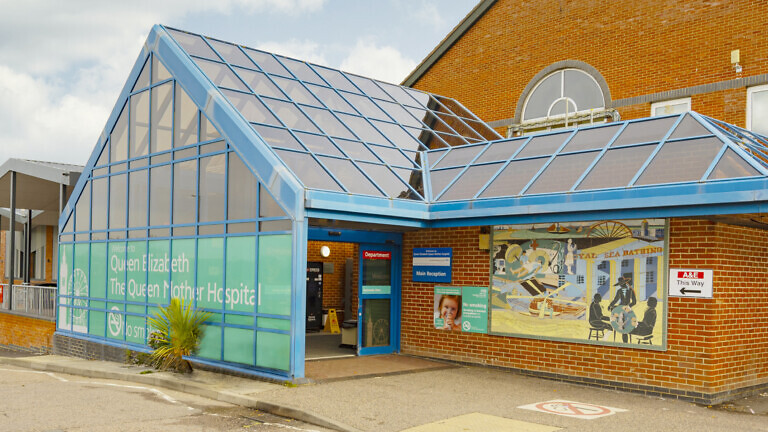
A coroner has issued a prevention of future deaths report following the conclusion of the inquest into the death of a Kent teacher at Queen Elizabeth The Queen Mother (QEQM) Hospital at the end of January last year.
Area coroner for Mid Kent and Medway, Sarah Clarke, found failures to provide two planned platelet transfusions materially contributed to his death and warned there could be future deaths at East Kent Hospitals University NHS Foundation Trust unless action is taken.
The patient had been receiving treatment for a blood condition associated with dangerously low platelet levels. During an outpatient appointment at Kent and Canterbury Hospital, Canterbury, it was agreed the patient would shortly receive a platelet transfusion, with weekly blood tests and transfusions to follow.
The coroner found that although this plan was communicated through an electronic action sheet and email, the transfusion was never arranged and a nursing review failed to identify that the transfusion had not been arranged.
Four days later, the patient became very unwell and went to the Emergency Department at QEQM.
Blood tests showed his platelet count was two, an extremely low level, which is associated with a risk of bleeding. A platelet transfusion was prescribed and ordered, but the court heard they were not expected to arrive until around midnight as the platelets were ordered on a routine, not urgent, basis.
The patient left the Emergency Department at approximately 0400 on 27 January 2025, and went to his car, unaware that platelets had arrived at approximately 0100 and were available for administration. There was no involvement of a doctor immediately before he left, and the trust’s formal self-discharge procedure was not followed.
The patient was found unconscious at home and was taken by ambulance back to QEQM, where scans later showed he had suffered a catastrophic brain haemorrhage. He died later that evening.
A reliance on manual communication
The inquest, which concluded in mid-September, concluded that a planned platelet transfusion between 21 and 24 January 2025 was not provided and that a second transfusion, available on 27 January 2025, was not administered before the patient left the Emergency Department. She found an earlier transfusion would have significantly reduced the risk of bleeding and concluded that both failures materially contributed to his death.
The coroner subsequently issued a Prevention of Future Deaths report identifying concerns about failures in systems for arranging, tracking and administering platelet transfusions; the failure to mark the patient’s platelet request as urgent despite a platelet count of two; failure to administer platelets after they became available; and processes for managing patients who leave the Emergency Department.
Above all, the coroner criticised the hospital’s continued reliance on manual communication systems while an electronic blood-products alert remains unimplemented.
“The coroner has identified a series of significant failings in the systems intended to ensure patients receive essential platelet transfusions when they are needed. Particularly concerning is the finding that two planned opportunities to provide platelet treatment were missed despite the serious risks posed by [the patient’s] condition,” said Felicity Cottle, assistant solicitor at Leigh Day in Dartford, who represented the family.