Add us as a preferred source
Hims & Hers’ head of weight loss argues that it is only within the last couple of years, that widespread treatment for obesity has become a realistic possibility.
Access over the past few years to GLP-1 injections like Ozempic and Mounjaro has changed the conversation around weight loss and obesity. This is only going to accelerate following the recent approval of weight-loss drug Wegovy for oral use in the UK.
A sign of how seriously this is being taken was seen in June with the acquisition of Eucalyptus, the parent company of Juniper, by US digital health provider Hims & Hers Health. One of the drivers of the deal was Juniper’s highly rated multidisciplinary weight management services for early use within the NHS.
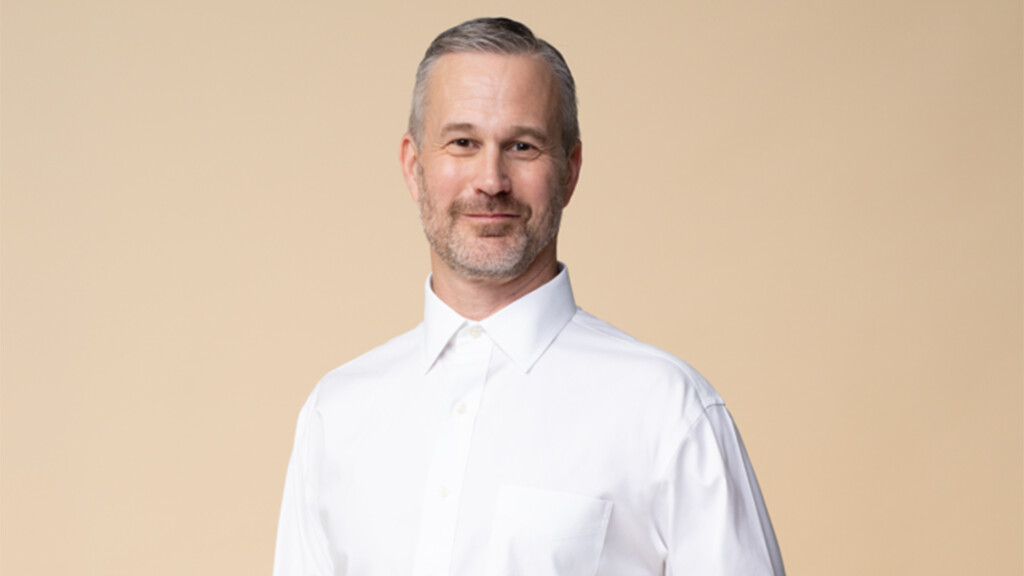
For Craig Primack, head of weight loss at Hims & Hers, the future of obesity management isn’t just a matter of clinical breakthroughs or the rise of highly effective new medications. It is a matter of dismantling a societal stigma and fundamentally restructuring how we deliver healthcare. With more than 45% of the population in England living with obesity, the current model of relying solely on a strained National Health Service is no longer tenable.
Here, he talks to Healthcare Today about why the traditional advice to “eat less and move more” has fundamentally failed, the adoption of oral weight-loss formulations, and why a modern medical crisis cannot be successfully treated using a delivery model from the 1990s.
There seems to have been a change in the way obesity is looked at globally over the past few years. How much stigma remains?
Despite the growing consensus that obesity is a medical disease, a deep-rooted stigma persists. It hits patients from 360 degrees: from friends, family and colleagues, sometimes from within themselves, and, unfortunately, from the medical community itself. In our recent study, 32% of respondents stated they simply did not want to be told to “eat less and move more”.
The reason people reject that advice is straightforward: it does not work. If it did, we would not be facing the global obesity crisis we see today.
For more than two decades, specialists have defined obesity as a serious, chronic and relapsing medical condition. However, the crucial piece we now possess is treatability. It is only within the last couple of years, with the arrival of new treatments and now oral formulations that improve accessibility, that widespread treatment has become a realistic possibility.
Historically, doctors were not taught how to treat obesity in medical school. Students going through training today are likely taught much more because we finally have highly effective options. While treatments have existed for years, they were historically difficult to manage and far less successful. The defining difference today is that our tools are both easier to use and more effective than they have ever been.
“Treating obesity requires a comprehensive, wraparound system of care.”
There’s a lot of noise around GLP-1s from miracle cure narratives to safety fears. What are the most damaging misconceptions you’re seeing?
The first key point is that this is not just about a drug; treating obesity requires a comprehensive, wraparound system of care. This involves nutritional changes, activity and movement, medication and the lifestyle adjustments that accompany them. As a society, we are not taught how to navigate eating in social situations. For instance, when you go to family holiday gatherings and your mother makes her favourite dish, the goal shouldn’t necessarily be to avoid it entirely; rather, with the help of medication, you can enjoy a smaller portion of it.
We also know that movement is vital for sleep and stress relief, and that people simply live longer when they stay active. With the advent of GLP-1 medications, maintaining movement and strength training becomes an even more critical piece of the puzzle to counteract muscle loss. As we decrease our overall calorie intake, the nutritional quality of the food we do eat becomes paramount. Ensuring we get a sufficient amount of protein, vitamins and minerals throughout the day becomes significantly more important as calories go down.
What is your perception of the new Wegovy pill?
We have had the once-a-week injections for several years now, and they are very simple to take. However, you do still have to use a needle and put it into your skin yourself. When the oral version came out in January, it went absolutely gangbusters. By May, just a few months later, there had already been 3 million prescriptions written in the US. I recently saw an article stating that this equates to one prescription being written every six seconds. What we are finding is that these patients are not simply switching from the jab over to the pill; it is an entirely new cohort of people who previously did not want to pursue treatment.
The second surprising element involves the strict routine required. I initially thought people would find it quite difficult to take a pill first thing in the morning on an empty stomach, with just a few sips of water, and then have to wait 30 minutes before eating. If you wait less time – say 15 or 20 minutes – it simply does not work as well. I expected patients to feel that doing this seven days a week was too demanding compared to a once-weekly jab, but that has not been the case. This is because we all understand that medicines for chronic conditions – whether for cholesterol or blood pressure – are very often pills that you take for long periods of time. When you transition to a pill for weight management, it fits into that familiar routine. It becomes a little more normalised in our society.
GLP-1 drugs have exploded in popularity, but so have concerns about overprescribing. Are these real concerns, or is this a storm that people are trying to blow up?
On a practical level, we are still not successfully getting obesity medications to the individuals who truly qualify and need them most. When pharmaceutical companies like Eli Lilly, with their injection, and Novo Nordisk first launched their initial guidelines outlining who should receive these treatments on-label, they understandably targeted the sicker patient cohorts.
This meant prioritising individuals with a BMI greater than 30, or a BMI of 27 alongside a metabolic risk factor – conditions that we know significantly shorten life expectancy. While we now have over 20 years of collective clinical experience with GLP-1 drugs overall, our experience with these newer, highly effective formulations spans about a decade. What we are finding is that they are remarkably safe medications. Furthermore, because they are proving beneficial for so many other health aspects, clinical focus is naturally expanding from the sickest individuals to the next tier down.
Conditions like knee pain, sleep apnoea, high blood pressure, high cholesterol, heart disease and kidney disease are all being managed better through these medications than by the traditional primary treatments we have relied on for decades. In fact, obesity medicines are frequently proving to be better cholesterol and blood pressure therapies than standard cholesterol or blood pressure drugs, and they are helping with so many other facets of systemic health.
Over time, as these treatments become more affordable and as we learn more about the intricacies of taking oral formulations – such as managing side effects and verifying if their efficacy mirrors the injectable options – eligibility will likely broaden even further. For instance, just in the last couple of weeks, new data has demonstrated a notable reduction in cancer incidence. There are roughly 230 medical conditions that are exacerbated by obesity.
“Obesity is not a disease of willpower. It requires what I call ‘skill power’.”
You have argued that obesity should be treated as a chronic disease. Britain still treats it as a behavioural issue. Where should the adaptation lie?
We now have robust studies demonstrating that individuals with obesity do not experience hunger and fullness in the same way as someone who has maintained a healthy weight their entire life. If you tell a patient simply to stop eating when they have had enough, that biological threshold is entirely different for a person with obesity compared to someone without. Consequently, the same traditional advice simply does not work.
We would never tell someone struggling with depression to just cheer up and be happier. Nor do we tell someone diagnosed with cancer to rely on willpower to cure their illness. In the same vein, obesity is not a disease of willpower. It requires what I call “skill power”, which means deploying medical science in a comprehensive, structured fashion to treat the disease effectively.

The US market is further ahead on medicated weight loss, but also more commercialised, and Britain remains more conservative. What lessons should the UK adopt?
When we think of traditional healthcare, we immediately picture in-person medical care. I have to leave my office where I am working, drive or take the Tube to see my GP, wait in the waiting room, see them for a brief 15-minute consultation, and then travel all the way back.
We live in 2026. All of us rely on electronic communication every single day, whether through text messages, emails or other digital platforms. Why has medicine stayed so far behind? We have effectively been left in the 1990s or early 2000s, and we need to push the industry forward to give people medical care where they want it. Telemedicine ensures someone is reachable practically 24 hours a day, whereas a traditional GP works standard business hours; accessing care during evenings and weekends is technically possible, but it is rarely straightforward.
Ultimately, it comes down to delivering care where you want it, when you want it, and how you want it. The “how you want it” aspect matters because there are many different drugs on the market today. Patients are highly informed; they look at the internet constantly to see what their friends or family members are taking and ask if it is right for them. A proper clinical consultation ensures that “how you want it” aligns with what is medically appropriate for your body and explains the clinical reasoning if it is not.