Add us as a preferred source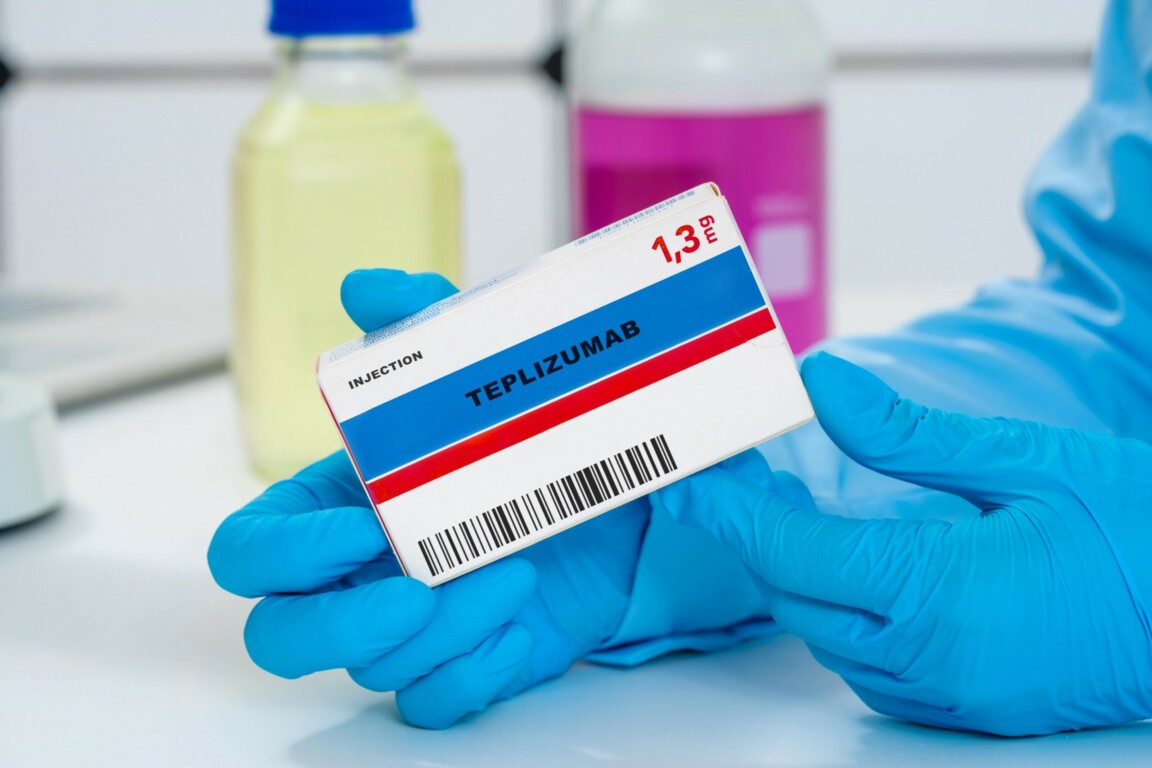
A novel therapy that can delay the onset of Type 1 diabetes for up to three years, will start NHS use.
Final draft guidance from the National Institute for Health and Care Excellence (NICE) has recommended teplizumab as the UK’s first immunotherapy for delaying the onset of Type 1 diabetes.
The drug can delay the onset of Stage 3 Type 1 diabetes in people aged eight and over, and Stage 2 Type 1 diabetes in adults.
It still has to undergo final NICE guidance, but is expected to become available to eligible patients within 90 days in England. Those in Wales should be able to access teplizumab within 60 days from the end of June.
Type 1 diabetes has three stages, and often begins with a silent pre-symptomatic stage. It’s becoming more common in the UK and can result in long-term complications, including with the kidneys, nerves, eyes and heart, as well as diabetic ketoacidosis, which can be life-threatening.
Sanofi, which made Teplizumab, also surveyed 200 people with Type 1 diabetes and found that almost four in ten of them required an A&E visit in the past year alone.
Teplizumab is a humanised anti-CD3 monoclonal antibody. It’s the first in an emerging class of disease-modifying treatments.
Pioneering technique
Until now, available treatment options for Type 1 diabetes have focused on managing the symptomatic disease, rather than delaying its onset.
NICE estimates that around 1,100 people could be eligible for teplizumab in the first year, decreasing to a steady state of approximately 820 eligible patients annually from the third year onwards.
“For more than 100 years, insulin has been the only treatment for type 1 diabetes… NICE’s recommendation of teplizumab for NHS use changes that. This is the first therapy able to alter the course of the condition itself, delaying its onset and marking a new era in how type 1 diabetes is treated,” said Hilary Nathan, director of policy at the research organisation Breakthrough T1D.
The news comes as part of the UK government’s decision to uplift the NICE QALY cost-effectiveness threshold in April, in efforts to bring innovative treatments to more NHS patients.